
Three transit habits that help me get beyond the usual tourist stops.
Buy the transit card first, then pick your neighborhood
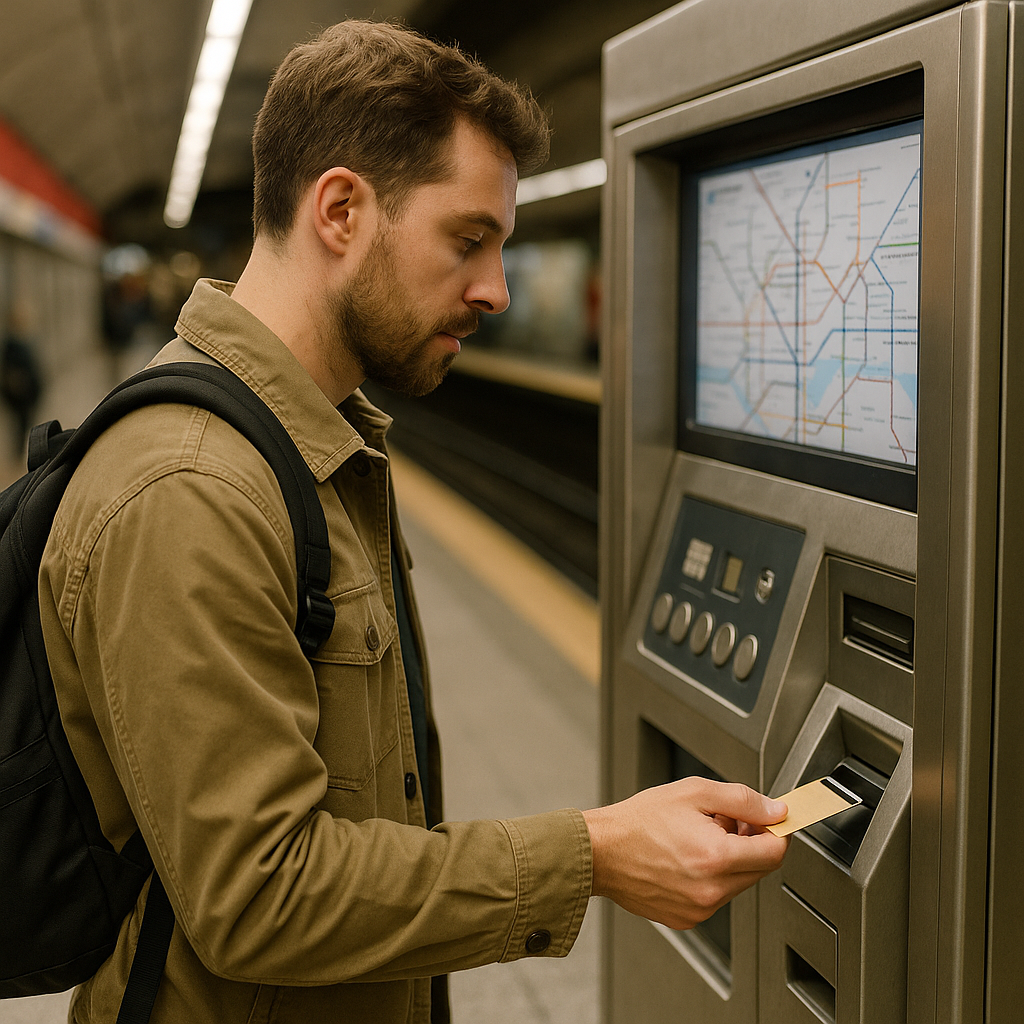
I used to land, drop my bag, and then wander toward whatever district had the most pins on my map. Now I do the opposite: I find the metro card machine (or the tap-to-pay gate), get myself squared away, and only then decide where I'm sleeping, eating, and burning my first afternoon. Once I know how the fares and payment system work, I find it easier to explore without worrying about every trip.
I treat the transit map like a starting point. I look for a line that runs straight through the city without a million branches, then I pick a station two to four stops outside the obvious center and start reading what's around it: the grocery store icon, the clinic, the laundromat, the school. Those are useful clues that you're looking at a neighborhood where people actually live and work. I want a place where the coffee shop opens early because people have jobs to get to, and where dinner doesn't require a reservation made from another time zone.
A few practical notes from doing this the hard way: if the card has a refundable deposit, keep the receipt folded into your passport wallet so you can get it back on the last day. If the machine asks you to choose a language, pick it, then slow down and watch for the physical cue that the transaction is finished. On systems that require you to tap again when you exit, forgetting to do so can result in an incorrect or maximum fare. And if you're on a system that supports contactless bank cards, I still like having the local card. When my phone battery is sulking, and my bank flags a $2.40 ride as suspicious, the little piece of plastic keeps the day moving.
Take a night bus to see a different side of the city
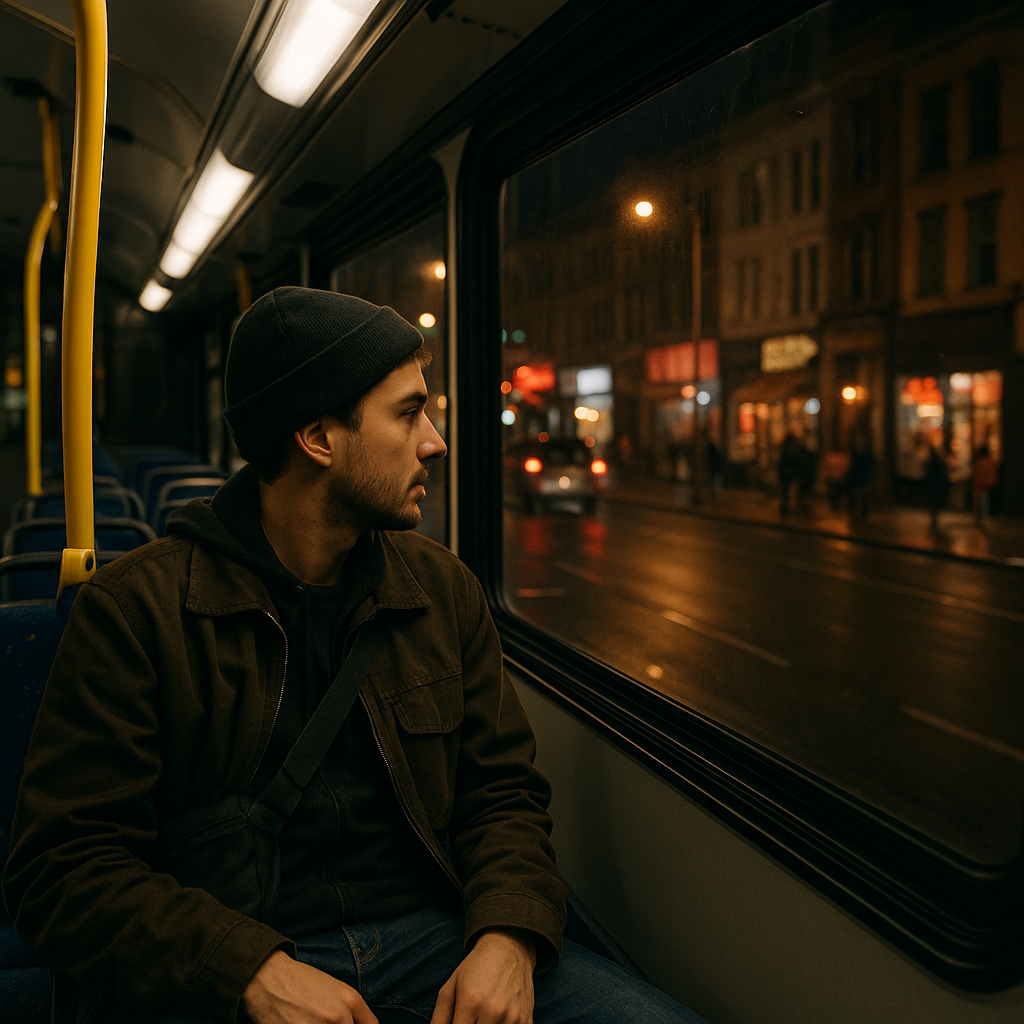
I didn't expect night buses to show me so much of a city. They're slower than the metro, but you get to watch the neighborhoods change outside the window. If you want to get beyond the usual tourist routes, a night bus can be a useful option when trains aren't running or rideshares are expensive.
I use night routes for two very normal moments: leaving dinner when I don't want to rush the check, and getting back from a show when everyone else is funneled into the same rideshare queue. I look up the line earlier in the day while I still have service, screenshot the route map and the stop name, and I check what the headway looks like. If it's every 30 minutes, I plan around that, and I don't pretend I'm going to improvise it later. At the stop, I stand where the driver can see me, and when the bus arrives, I make eye contact and lift my hand. On some systems, you may need to signal the driver when you're waiting at a stop.
On board, I keep it simple. Phone and wallet stay in a front pocket or crossbody with the zipper closed. If I'm carrying a small daypack, it comes off and sits between my feet so I'm not unknowingly inviting sticky fingers when the bus lurches. I avoid blasting a bright screen in someone's face and I don't narrate my travel plans out loud. These are simple precautions that also keep your belongings out of other passengers' way.
The benefit is that you get to see parts of the city you might otherwise miss. You see which corners still have lines at midnight, which streets go dark, where the new apartment blocks are popping up, and where the old storefronts are holding on. I've found my best late snack spots by getting off one stop early and walking the last five minutes past places I'd never have noticed from a daytime stroll. It gives me a better sense of how the city fits together outside the usual sightseeing areas.
Look for stops near markets, universities, and other busy places
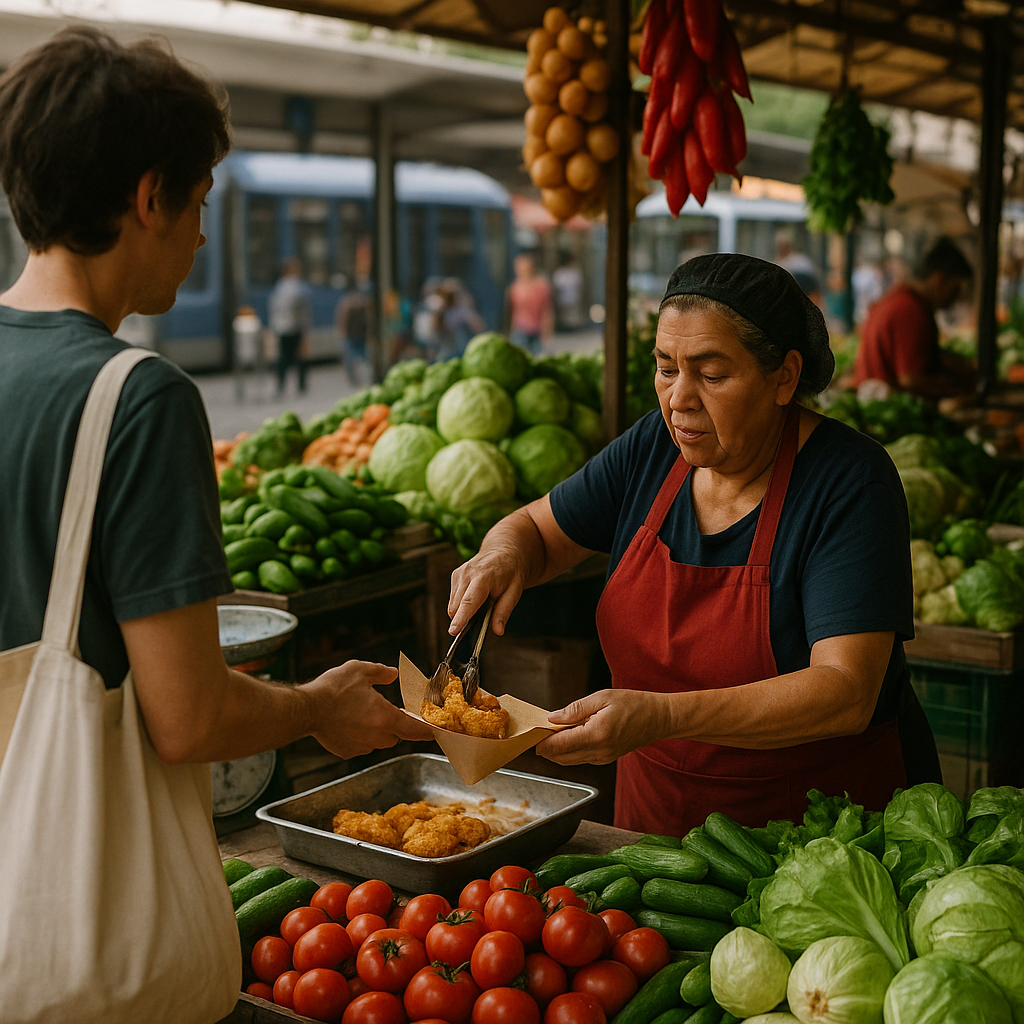
If you want to explore beyond the main tourist areas, look for stops near places people use every day: the University, the Central Market, the Hospital, the Sports Complex, and the Port Authority. Transit service often connects places such as universities, hospitals, markets, and shopping areas because they generate regular trips. Those stops can also give you access to neighborhoods outside the main tourist areas.
My favorite example is the market stop. In many cities, the main produce market is where restaurant workers, shoppers, and other residents do their regular grocery shopping. When I see a tram or bus line with a stop labeled for the market district, I go there first, not last. I bring a tote, some small bills if cash is common, and a plan to eat standing up. I'm not looking for a cute souvenir aisle. I'm looking for the stall that sells one thing, fast, with a line of locals. If I can't decide, I pick the place with the fastest hands.
University stops can be useful for a different reason. They may be connected to the center by frequent or direct service because students and staff travel there regularly. The area tends to have affordable lunch options, bookstores featuring local authors, and posters for small events you won't see on tourist calendars. Hospitals are not a hangout, obviously, but the transit hubs around them can be useful: frequent buses, late operating hours, and food options designed for people who just want something solid at odd hours. I've found dependable, no-fuss late breakfast spots near hospital entrances, the kind of place where you can get something quickly and be on your way.
One last habit that saves me from dumb mistakes: I check whether the stop I want is on the correct side of the road or the correct platform. Transit hubs often have two stops with almost the same name, and if you hop off in the wrong direction, you'll waste 15 minutes crossing a roundabout that wasn't designed for pedestrians. I learned that while staring at my phone, watching my bus pull away, and realizing I'd just stranded myself on the side of a six-lane arterial with a sandwich in my hand. Now I confirm the direction first, then I step off like I meant to.