Tips for Sleeping in an Airport Comfortably
Sleeping in an airport is a traveler’s rite of passage, especially when an early flight or long layover makes a hotel seem pointless. Airports around the world handle overnight travelers very differently, and comfort often comes down to preparation and strategy rather than luck. These tips pull together real-world airport practices and traveler-tested ideas to make getting some rest far less miserable.
Check The Airport First
Credit: Canva
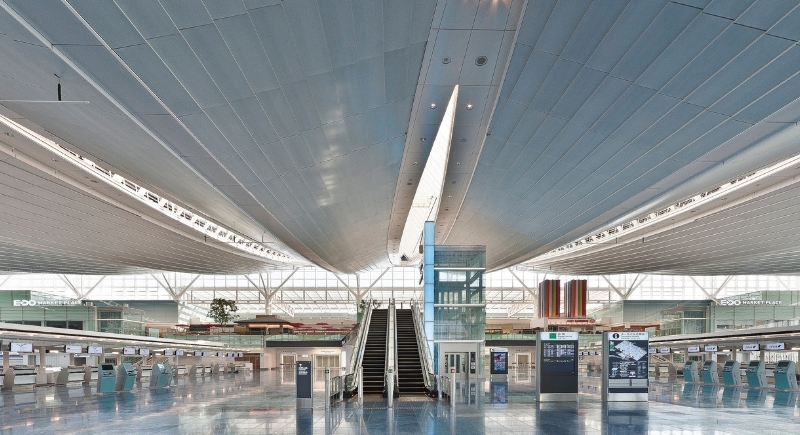
Airports vary widely in terms of overnight comfort. Some major hubs, like Singapore Changi and Tokyo Haneda, are known for their padded seating and quiet corners, while others actively discourage sleeping.
Understand The Amenities

Credit: Canva
Food options, bathrooms, seating style, and showers change the entire experience. Many terminals shut down restaurants after the last wave of departures. Some airports offer reclining chairs or even rentable sleep pods, while others install metal armrests specifically to prevent lying down.
Pick A Smart Spot
Credit: Canva
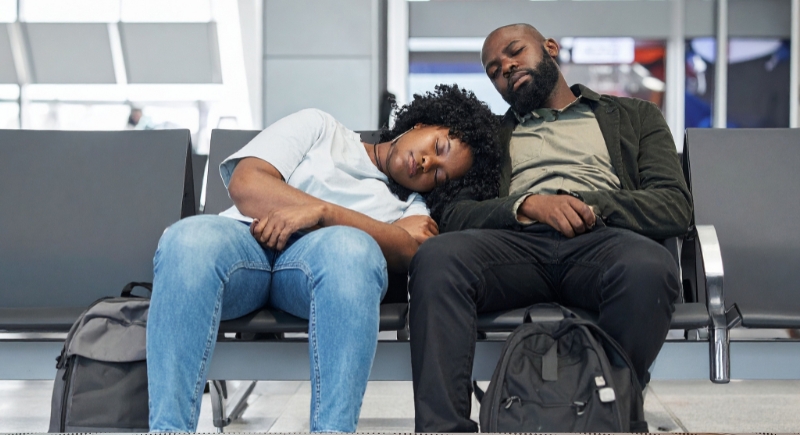
Areas near arrivals are often calmer because departing passengers move quickly to their gates, while people waiting for arrivals tend to sit for longer periods. Security desks and camera-covered zones are usually safer, and terminals that stay open overnight prevent forced relocations during cleaning cycles.
Dress For Cold Air
Credit: pexels
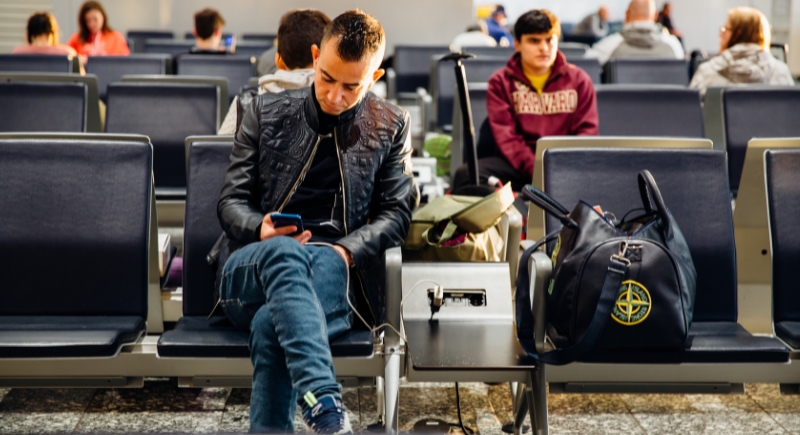
Airports are climate-controlled to accommodate daytime crowds, which means they can feel cold at night, even in warm regions. A hoodie works as insulation and a makeshift pillow, and layering helps manage temperature changes without relying on airport blankets.
Make Your Own Pillow

Credit: pixabay
Neck pillows help, but rolled clothing works just as well. Folding a sweatshirt inside a jacket creates support on hard seats, and this method avoids carrying bulky gear. The difference between sleeping upright and actually resting often comes down to the quality of head support.
Secure Your Bags
Credit: Canva
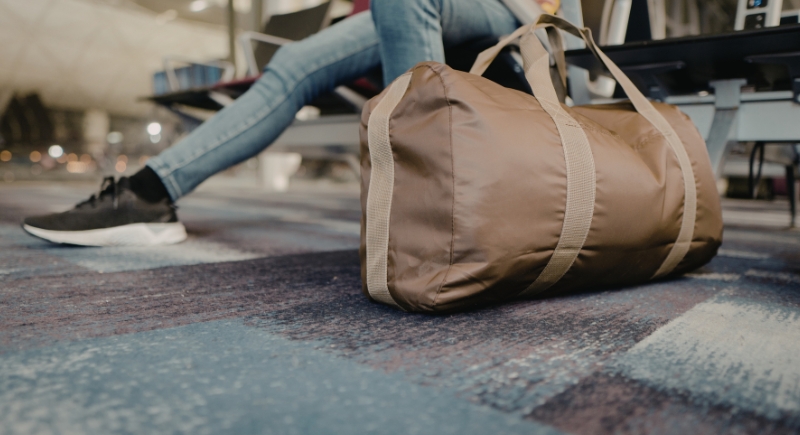
Theft in airports is rare but documented, especially when sleepers are exhausted. Keeping zippers facing the body or wall adds resistance, and looping a strap around a leg creates awareness of movement. Light sleepers report fewer issues when luggage stays physically connected.
Arrive Earlier Than Feels Necessary
Credit: Canva
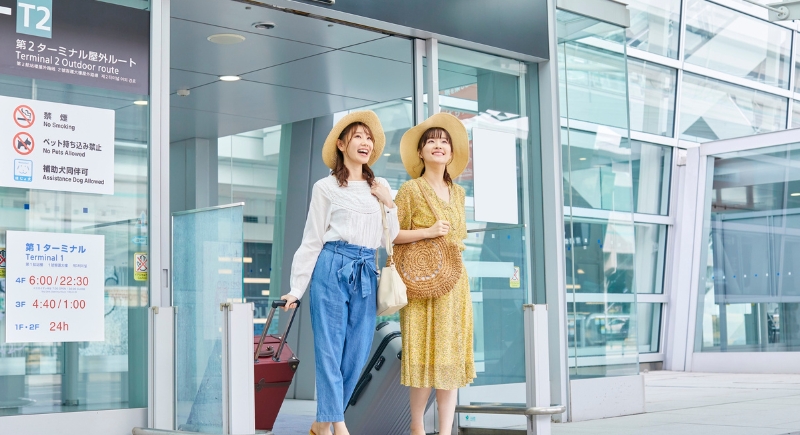
Busy airports fill overnight seating faster than expected, especially during summer travel months. Reaching the terminal before late evening increases the chance of finding uninterrupted seating. Some travelers report that after 10:00 p.m., remaining spaces are already claimed by stranded passengers.
Consider Sleeping In A Car
Credit: Africa Images
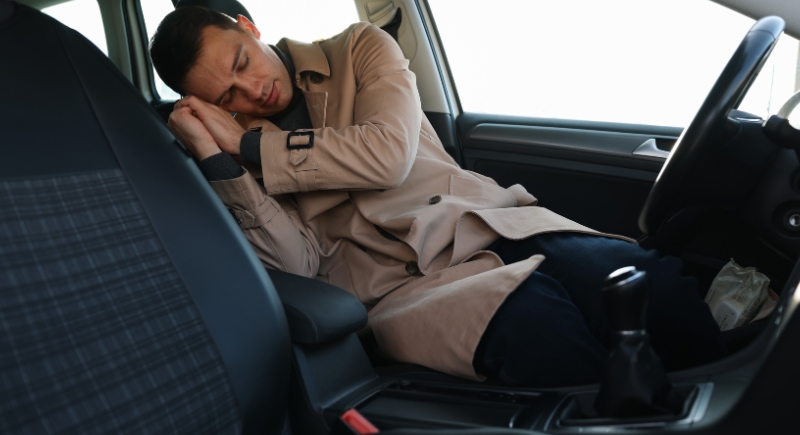
Airport parking lots serve as backup bedrooms. Rental cars offer padded seats and climate control, and this option avoids overnight announcements. Checking return desk hours is important, as early flights require staffed drop-offs.
Use Lounges Strategically

Credit: pixabay
Pay-in lounges offer showers, food, and cushioned seating for a flat fee that is often less than the cost of a hotel night. There are usually dress codes in place, and arriving clean increases the chances of entry. Some lounges close overnight, but early-morning access can reset energy levels quickly.
Know The Rules And Act Normal
Credit: Getty Images
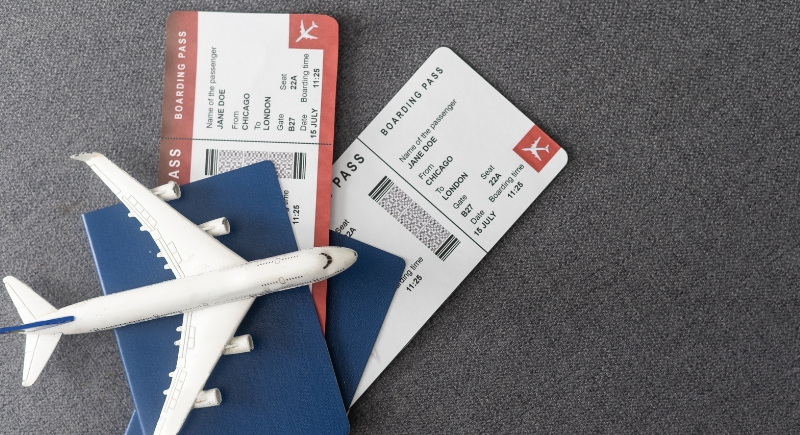
Airport staff may ask overnight sleepers to show proof of onward travel, so keeping a boarding pass accessible helps avoid unnecessary issues. Calm, unobtrusive behavior also reduces attention. Most airports tolerate brief overnight stays but respond differently to long-term camping.
Plan For An Early Wake-Up

Credit: Getty Images
Many airports rouse overnight sleepers around 5:00 a.m. as morning traffic begins. Cleaning crews, lighting changes, and early announcements can start without warning. Choosing a spot away from main walkways may limit interruptions, but an alarm ensures you wake on your own schedule.