Souvenirs That Are Illegal to Bring Back to the US
A small trinket or snack seems like an easy way to hold onto a great trip, but the trouble starts with customs rules. US border officers watch closely for items tied to agricultural safety and consumer laws. The following souvenirs appear in luggage every year and regularly get seized. Knowing what crosses the line saves time, money, and awkward conversations at the airport.
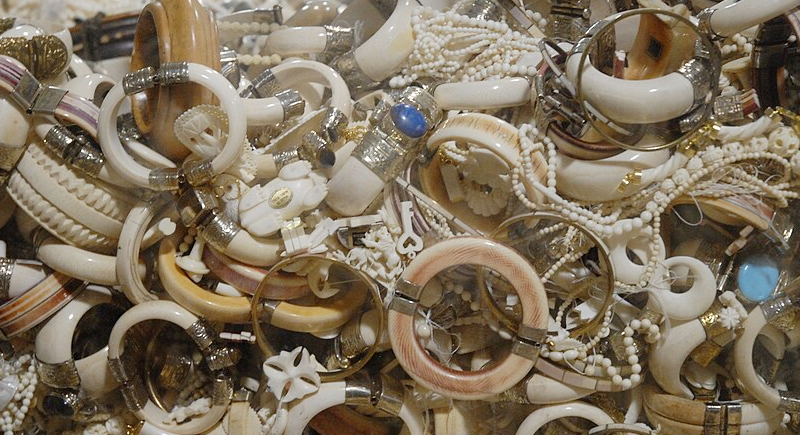
Ivory Jewelry and Carvings
Credit: Wikimedia Commons
Ivory bracelets, figurines, and beads still appear in markets around the world, often described as antiques or family stock. US customs treat nearly all ivory as illegal under international wildlife agreements. Even small pieces can trigger fines, since the ivory trade links directly to elephant poaching and long-standing trafficking networks.
Coral and Decorative Seashells

Credit: Canva
Coral reefs are struggling globally, and many species are now protected. Even shells can cause problems if they’re hard to identify or possibly collected from endangered ecosystems. Customs officials often don’t have time to check whether that shiny shell is from a common snail or a protected species—so they’ll just take it.
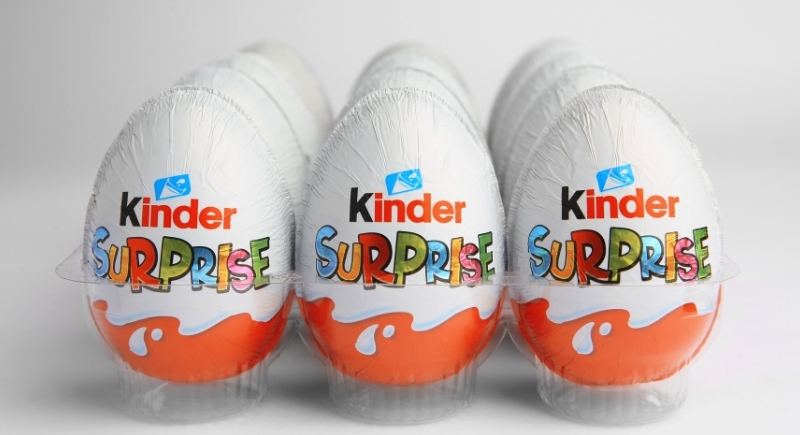
Kinder Surprise Eggs
Credit: Canva
It’s chocolate with a toy inside—what could possibly go wrong? According to the FDA, everything. Kinder Surprise eggs are banned in the U.S. because the embedded toy breaks food safety rules and is considered a choking hazard.
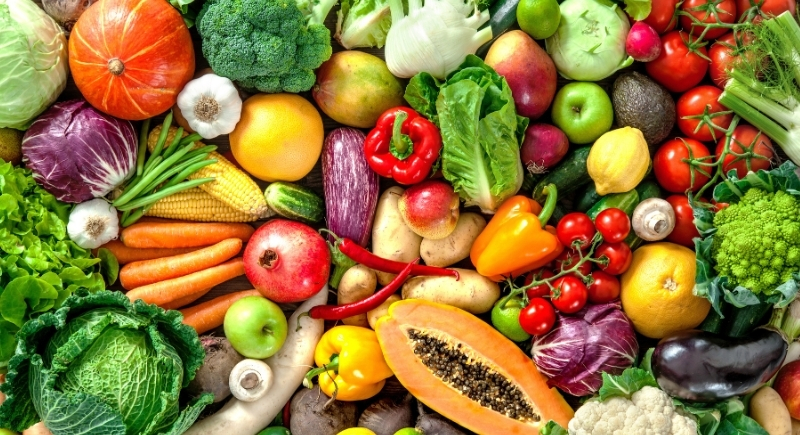
Fresh Fruit and Vegetables
Credit: Getty Images
Fruits and vegetables might carry hidden pests or diseases, which makes them a top concern for agricultural safety. Many invasive species have reached the U.S. this way, which is why customs officers are trained to spot even a single piece of apple you forgot in your backpack.
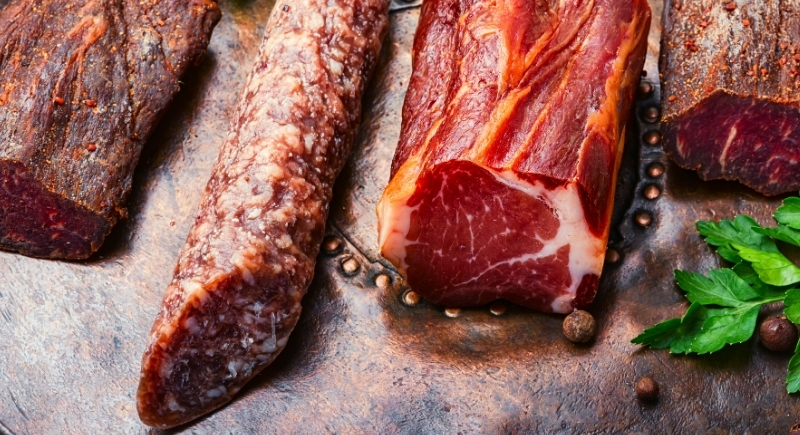
Homemade or Cured Meats
Credit: Canva
U.S. customs officials view them as disease risks unless they’re clearly marked and approved for entry. Meat can carry pathogens like African swine fever or foot-and-mouth disease. Homemade goods especially don’t pass since there’s no official record of how they were prepared or handled.
Exotic Leather Bags and Accessories
Credit: Getty Images
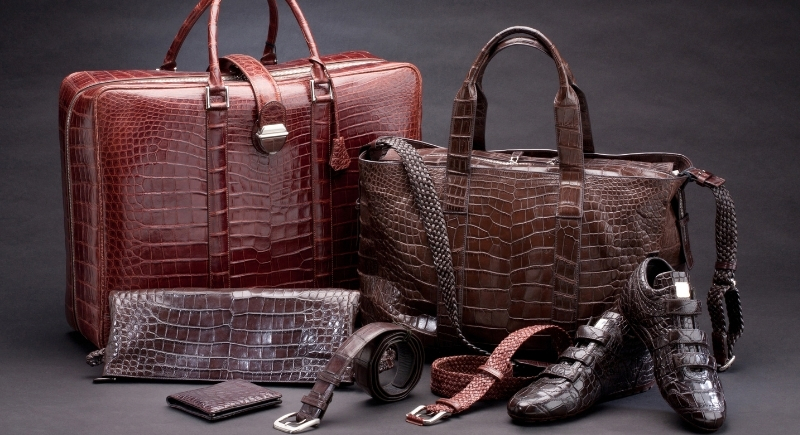
Crocodile handbags, python belts, or snakeskin wallets often appear in tourist shops labeled as “ethically sourced” or “farm-raised.” But unless you have proof—like export permits—these fashion finds won’t make it past customs. Many exotic species are protected by law, and items made from their skins fall under strict import rules.
Traditional Medicines With Animal Ingredients
Credit: iStockphoto
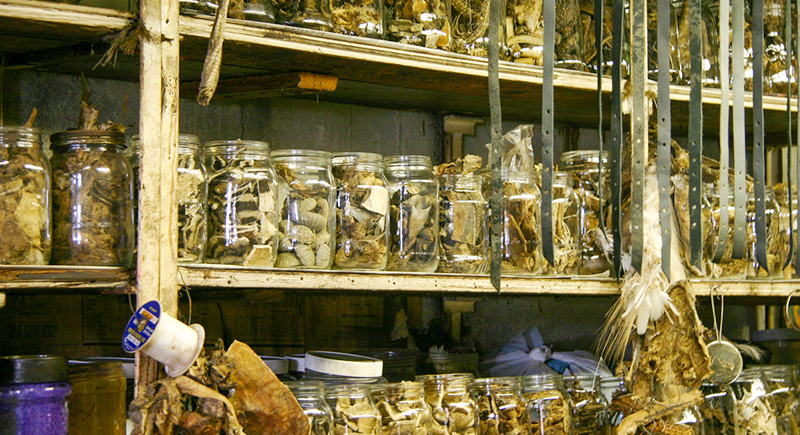
Herbal remedies and powders sold as wellness cures sometimes contain horn, bone, or animal extracts. Labels can be vague or untranslated, which raises red flags. U.S. Customs treats these products cautiously because protected species often appear in traditional formulas. Items linked to rhino, tiger, or bear parts are subject to automatic seizure.
Sand, Soil, and Natural Rocks
Credit: pexels
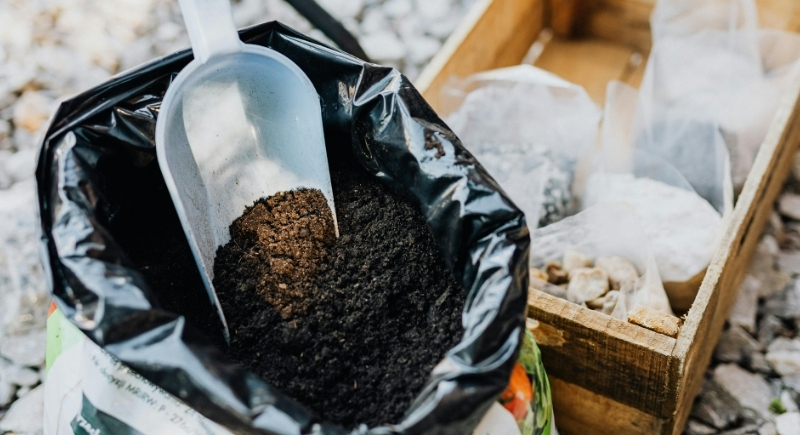
Customs treat loose natural materials as biosecurity threats. Microscopic organisms, seeds, or insects can travel unnoticed. Rocks cause trouble when soil clings to surfaces. Inspectors rarely allow unprocessed natural samples. Clean, polished stones sold commercially usually pass inspection, but items collected directly from nature rarely make it through.
Counterfeit Designer Goods
Credit: Getty Images
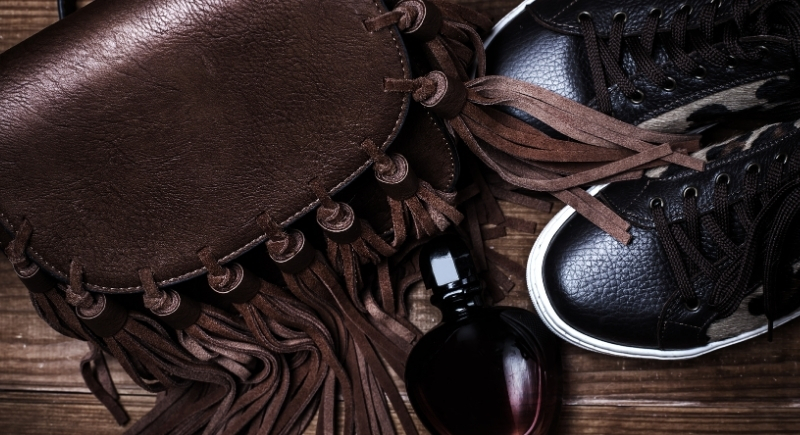
Street markets sell imitation bags, shoes, and perfumes at tempting prices. U.S. Customs enforces intellectual property laws at the border. Counterfeit items support illegal supply chains and often involve unsafe materials. Even a single fake item can be seized.
Untreated Wooden Souvenirs
Credit: iStockphoto
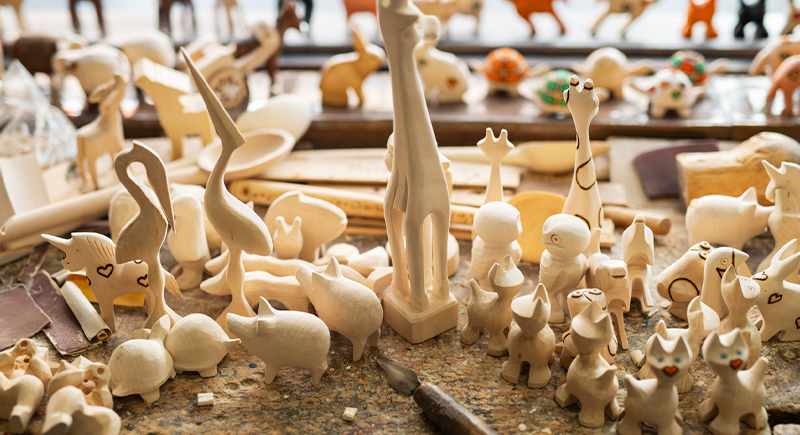
Untreated wood can carry insects or fungal spores that damage forests. For wooden goods to be allowed into the U.S., they usually need to be heat-treated or kiln-dried. Without proof, they’re likely headed to the inspection bin instead of your shelf.