10 European Cities That Are Actively Trying to Ban Tourists
Overtourism has moved from being an annoyance to a serious policy problem across Europe. In cities built centuries ago, narrow streets coupled with limited housing and fragile infrastructure were never meant to handle millions of visitors each year. As crowds increasingly disrupt daily routines, residents are pushing back.
City governments are no longer adjusting policies and are actively discouraging tourism to protect housing and preserve daily livability. These places still attract visitors, but the welcome now comes with clear signals that enough is enough.
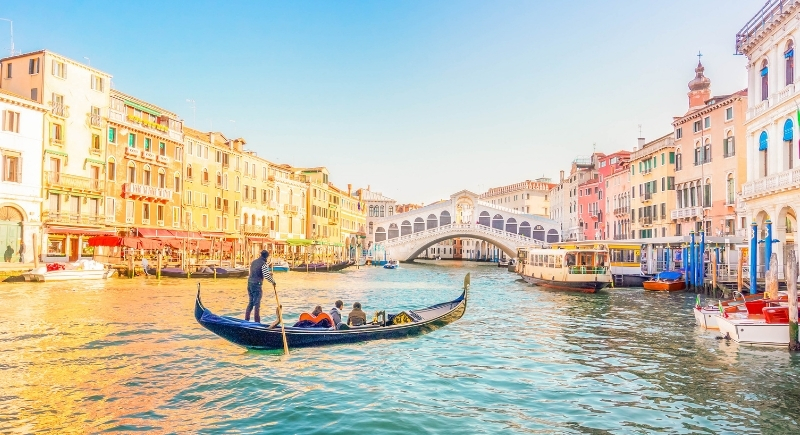
Venice
Credit: Canva
Crowding reached a breaking point after daily visitor numbers regularly exceeded 100,000. The city introduced a day-visitor entry fee in 2024 that applies on peak dates. Large cruise ships were banned from the historic lagoon to reduce erosion and congestion. Venice’s permanent population has fallen below 50,000 as housing converts to short-term rentals.
Barcelona

Credit: pexels
Housing costs climbed rapidly in central neighborhoods as vacation rentals expanded. The city cracked down on illegal Airbnb listings and stopped issuing new hotel licenses in busy areas. Public protests against tourism were held in districts such as El Raval and the Gothic Quarter. City leaders now frame tourism policy around residents’ quality of life rather than growth.
Amsterdam

Credit: Getty Images
Officials began discouraging party tourism after complaints about noise and public behavior increased. The city banned new tourist-oriented shops in the historic center. Guided tours are restricted in the Red Light District to reduce foot traffic. Amsterdam also limits large tour groups and promotes visits outside peak seasons.
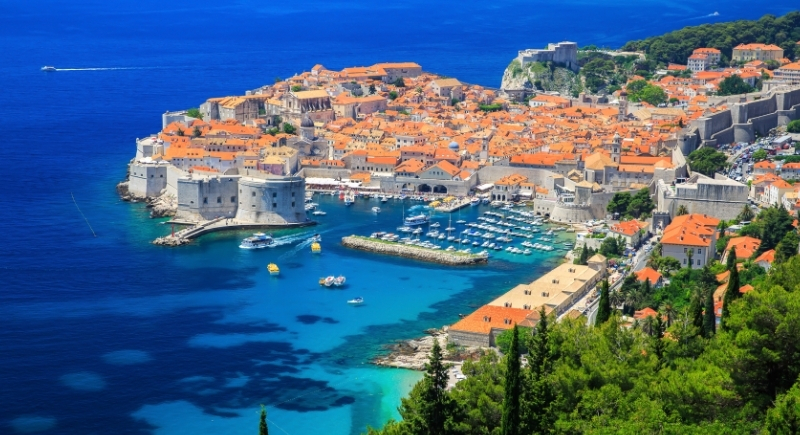
Dubrovnik
Credit: Getty Images
Cruise ships brought thousands of visitors at once into the Old Town, which holds fewer than 1,000 residents. The city capped daily visitor numbers to comply with UNESCO recommendations. Cruise arrivals are now scheduled to help reduce crowd surges, as local officials continue to promote longer stays rather than short visits.
Paris

Credit: Getty Images
Short-term rentals reduced housing availability in neighborhoods like Le Marais. The city tightened Airbnb rules by limiting the number of nights a property can be rented each year. Officials discussed visitor caps at major sites such as the Eiffel Tower. Some residents report daily crowding that affects public transit and local shops.
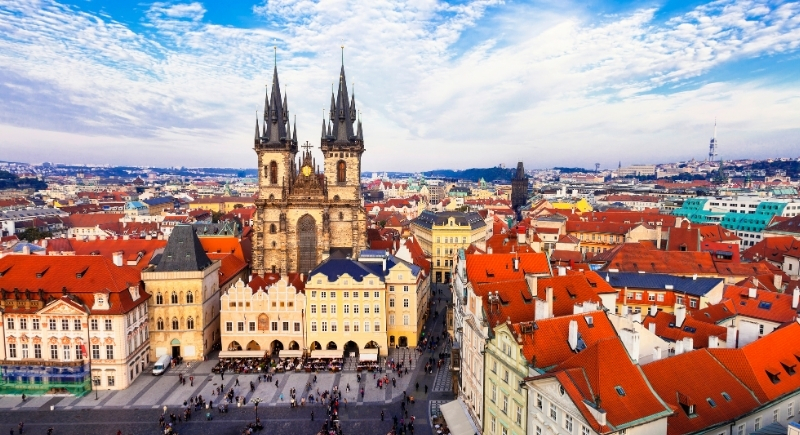
Prague
Credit: Getty Images
Budget tourism and bachelor parties changed the character of Prague’s historic center. In response, pub crawls were banned in residential areas, short-term rental regulations were tightened to protect housing stock, and fines increased for disruptive tourist behavior in public spaces.
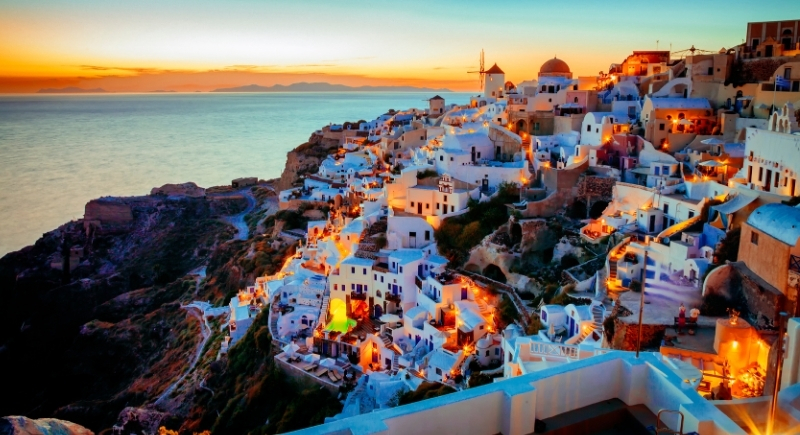
Santorini
Credit: Getty Images
Cruise traffic pushed daily visitor numbers beyond what the island’s infrastructure could handle. Authorities limited cruise passengers to about 8,000 per day. Water shortages worsened during peak season due to tourist demand. Local business groups support visitor limits tied to sustainability.
Lisbon
Credit: Getty Images
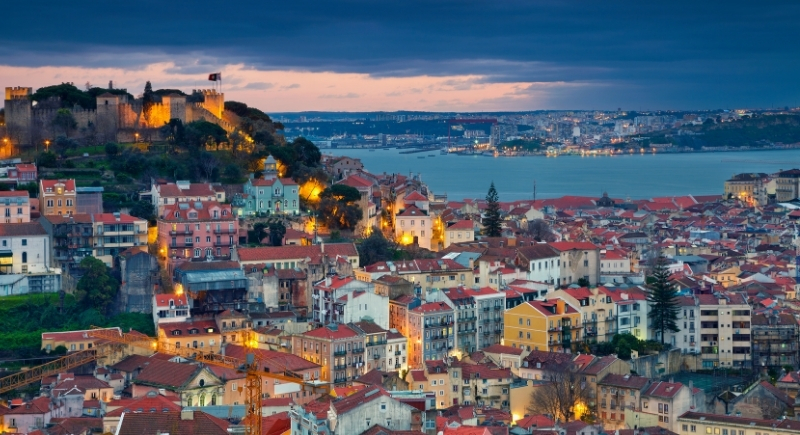
Lisbon experienced a surge in short-term rentals in historic districts, accompanied by rent increases. The city imposed strict Airbnb licensing rules in central neighborhoods. Public protests focused on access to housing for local families. Officials now promote tourism that spreads visitors beyond the city center.
Edinburgh

Credit: Getty Images
Festival season causes population spikes that strain housing and services. Short-term rentals expanded rapidly in the Old Town. Some residents temporarily leave during major festivals due to crowding. City officials consider tighter controls on vacation properties.
Hallstatt
Credit: Getty Images
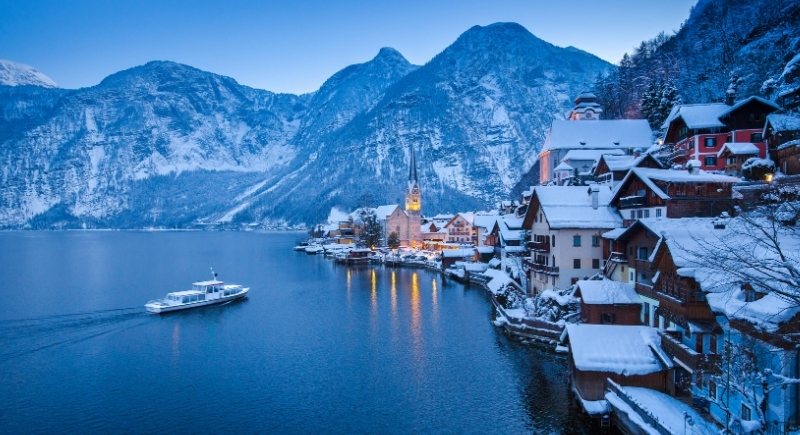
Social media exposure attracted thousands of daily visitors to a village with fewer than 800 residents. Officials installed barriers to block photography in residential areas. A daily visitor cap limits the number of bus arrivals. Locals report an improvement in privacy following the enforcement of restrictions.