10 Things You Should Never Touch in a Hotel Room
A hotel room may look freshly cleaned, but this could be misleading. With tight cleaning schedules and constant turnover, some items are touched by dozens of people but rarely get a proper scrub. These high-use, low-clean areas are easy to overlook and often fall outside routine housekeeping.
While most won’t make you sick, a few extra precautions can lower your chances of picking up unwanted germs. Knowing what not to touch and why can help you feel more comfortable during your stay.
Decorative Bed Items
Credit: Getty Images
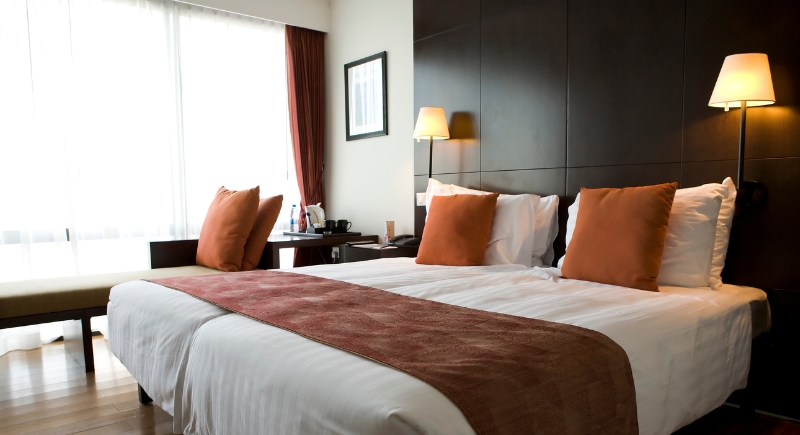
Hotels add pillows and bed runners for style, not comfort, and they usually aren’t washed as often as regular linens. They’re handled by many guests and often end up on the floor or a chair while people settle in. It’s better to move them aside when you arrive and leave them there during your stay.
Remote Control
Credit: Getty Images
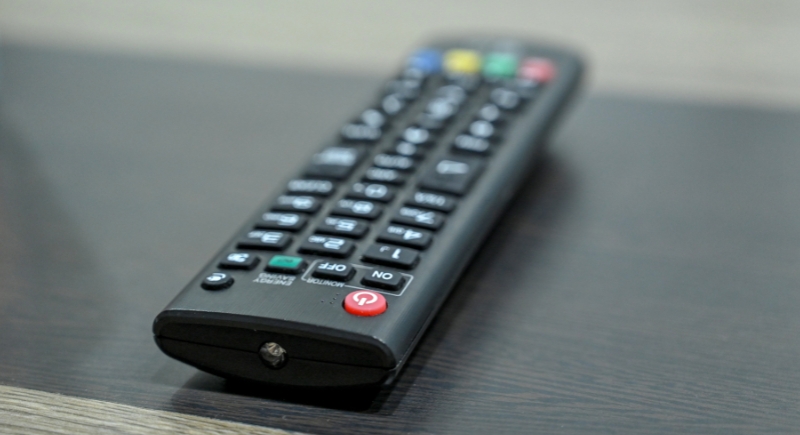
The remote control, used constantly and cleaned occasionally, is one of the dirtiest items in a hotel room. Guests handle it while eating, sneezing, or lounging, but it’s often overlooked during cleaning. A disposable plastic bag or a disinfecting wipe can make channel surfing less of a gamble.
Carpeted Floors
Credit: pexels
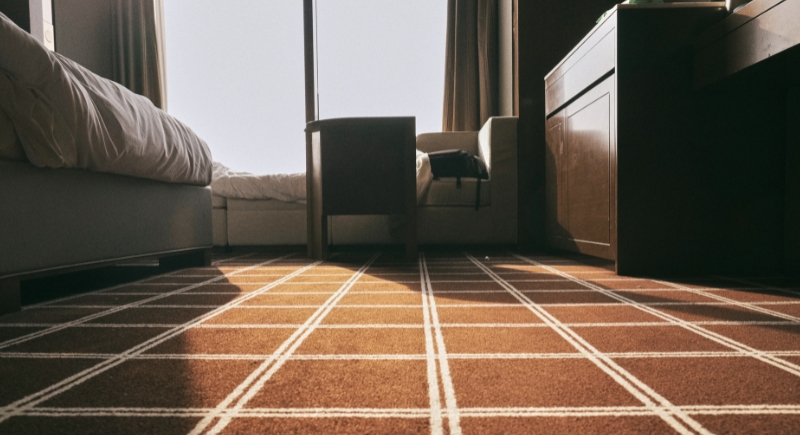
Carpets trap bacteria and dust from shoes and suitcases. According to hotel housekeeping staff, they are among the hardest surfaces to clean thoroughly between stays. Since vacuuming isn’t always enough, walking barefoot can bring you into contact with debris left behind by earlier guests. Socks or slippers are safer.
Light Switches And Lamp Dials
Credit: Getty Images
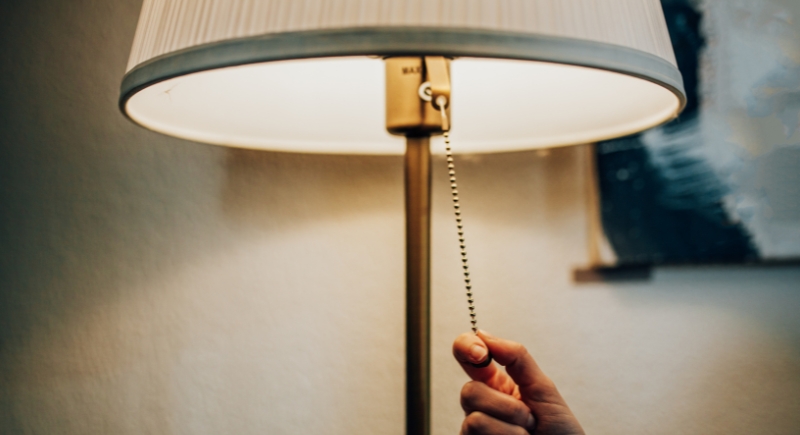
These get touched almost immediately after entering the room, even before anyone has thought about handwashing. Yet, unless they’re visibly dirty, they’re often ignored during cleaning. Because switches are used daily but don’t look messy, they can build up bacteria fast without anyone noticing.
Hotel Phone
Credit: pexels
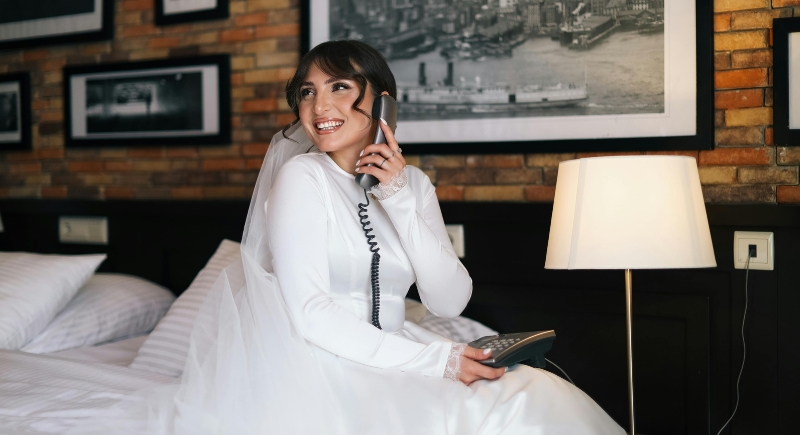
The room phone is touched by many guests, yet the receiver, buttons, and mouthpiece rarely get thorough attention during cleaning. Housekeeping usually focuses on beds, counters, and bathrooms, so smaller items slip past their routine. A quick wipe before making a call, or just using your mobile, is the easier choice.
Curtains And Blinds

Credit: True Creatives
Guests usually swing open the curtains without a second thought. But those fabric panels rarely hit the laundry. Over time, they collect dust, especially near air vents. People with allergies might feel symptoms shortly after settling in. If sunlight’s not a must, it’s better to skip contact altogether.
Coffee Maker And Kettle
Credit: Canva
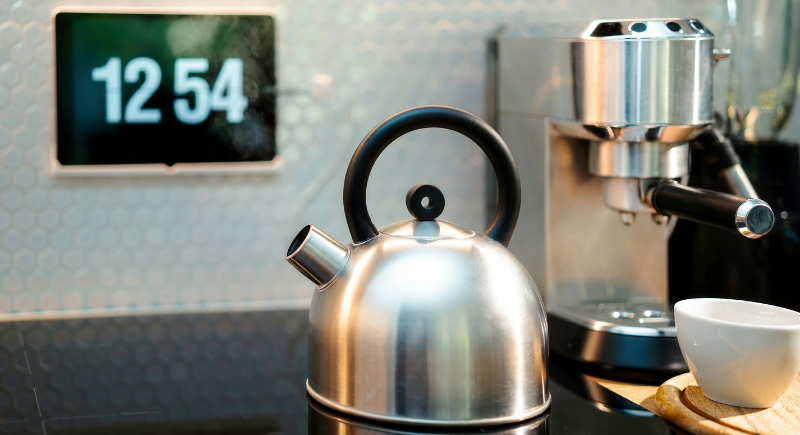
In-room coffee makers often carry leftovers from previous guests. From used pods to water left sitting in the tank, residue builds up. Hotel staff rarely take these machines apart, so what’s inside stays there. Sealed beverages from the lobby fridge tend to be a safer bet.
Glassware

Credit: Getty Images
The glass near the sink might look clean, but it isn’t always washed with soap or run through a dishwasher. Some staff simply rinse or wipe these glasses during quick turnarounds. If the glass isn’t sealed in plastic, it’s hard to know how well it was cleaned, so using your own bottle or a disposable cup is the safer option.
Ice Bucket
Credit: Getty Images
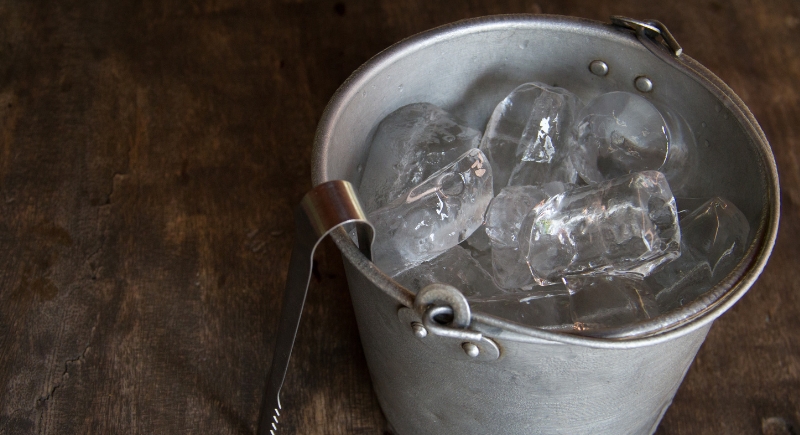
Though it may have a liner, the ice bucket is often reused by guests for various purposes beyond chilling ice. Liners help, but don’t guarantee cleanliness, especially if the bucket hasn’t been washed with soap. Using ice from the machine straight into your cup is safer.
Bathtubs With Jets
Credit: Getty Images
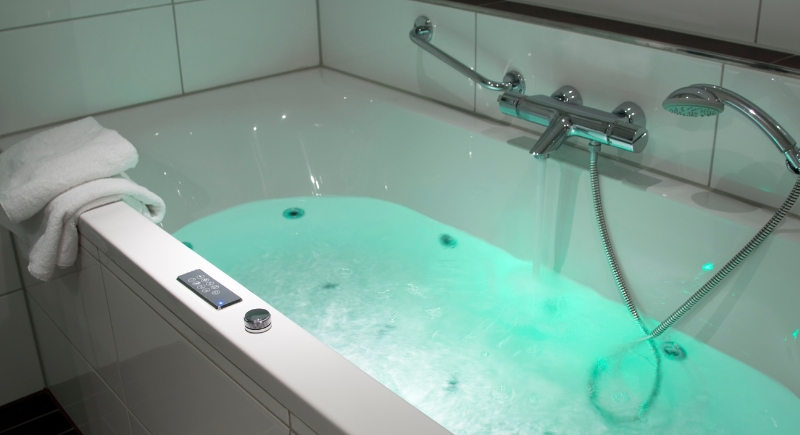
Jacuzzi-style tubs look relaxing, but hotels struggle to clean them fully. The inner pipes can hold old soap, oils, and bacteria even after the water drains. If the hotel doesn’t clearly say these tubs are deep-cleaned between guests, it’s better to skip using them.