How to Spot the Cheap Secrets of Overpriced Hotels
Expensive hotels usually come with certain expectations. Guests assume the higher price will bring comfortable rooms, attentive service, and details that make the stay feel worth it. Sometimes the experience matches that promise. Other times, the hotel looks impressive online but feels surprisingly ordinary once you step into the room.
This happens because some hotels rely more on image and pricing strategy than real upgrades. Once you start paying attention to the small details, it becomes much easier to notice when a hotel is charging luxury prices without delivering a truly luxurious experience.
When the Price Changes Without the Room Changing

Image via Getty Images/AndreyPopov
One of the least visible forces behind hotel prices today is dynamic pricing. Many hotels now rely on automated systems that adjust rates in real time based on demand, competition, and even your browsing behavior.
If you search for the same room repeatedly on the same device, the system may interpret that as a signal that you are ready to book. The result can be a sudden price increase for the exact same room you viewed earlier.
These pricing algorithms track countless variables, including seasonal demand, local events, and how often a room is searched. In some cases, two people can see different prices for the same room at the same moment simply because their browsing histories differ.
The room itself has not improved, the amenities have not changed, and the hotel has not suddenly become more luxurious. The price has simply shifted because the algorithm believes someone will pay more.
The “Luxury Hotel” With Budget-Level Rooms
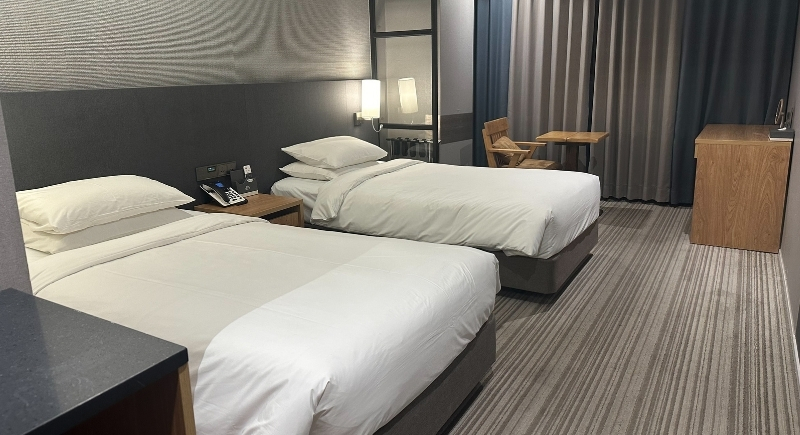
Image via Canva/star3941
Another common surprise hides inside the room categories themselves. Many high-end hotels contain multiple tiers of rooms, and the cheapest ones can feel far removed from the luxury image that attracted guests in the first place.
A hotel may advertise itself with sweeping photos of suites and rooftop views, but the lowest-category room could be on a lower floor, with minimal space, basic carpeting, and little more than a bed and a narrow window.
These entry-level rooms are often designed to get travelers through the door at a tempting price. Once guests see how basic the room feels, many choose to upgrade. That upgrade strategy quietly boosts hotel revenue.
The Quiet Cost-Cutting Behind the Scenes
Luxury branding can also hide operational shortcuts that guests rarely see. Housekeeping departments, for example, often work under intense time pressure. Staff may need to prepare dozens of rooms during a single shift, which increases the temptation to move quickly between tasks.
Some hotel workers have described situations where linens or cleaning procedures are rushed when schedules fall behind. In other cases, items that appear premium, such as minibar bottles delivered to rooms, may simply be returned to inventory if they remain unopened.
None of this appears in the glossy hotel photos, yet it reflects the constant effort hotels make to control operating costs while maintaining the appearance of luxury.
Even the personalized service many luxury hotels advertise is frequently powered by detailed guest databases. Hotels track preferences such as favorite drinks, meal choices, and past requests. While this can create a smooth guest experience, it also reveals that much of the “personal touch” relies on stored data rather than consistent standard service delivery.
When Marketing Creates the Illusion of Luxury

Image via Getty Images/alexsl
Brand reputation plays an enormous role in how travelers judge hotels. Large chains and highly visible properties dominate booking platforms and travel advertising, which naturally leads people to assume they offer the best experiences.
A hotel that appears constantly in search results can feel more prestigious simply because travelers see it more often. In reality, visibility and quality are not always the same thing.
Many smaller boutique hotels offer more thoughtful service and distinctive character than some of the well-known names charging premium rates. Because these independent properties often appear less frequently on major booking sites, travelers may overlook them entirely while browsing familiar brands.
Learning to Read Between the Lines
Spotting the cheap secrets of overpriced hotels ultimately comes down to paying attention to the signals behind the marketing.
Guest reviews, room descriptions, and a bit of comparison shopping can quickly reveal whether a hotel’s luxury image reflects reality or simply clever presentation. The price tag alone should not be the measure of quality.