10 Strange Truths Behind The Lake That Kept A Secret For 500 Years
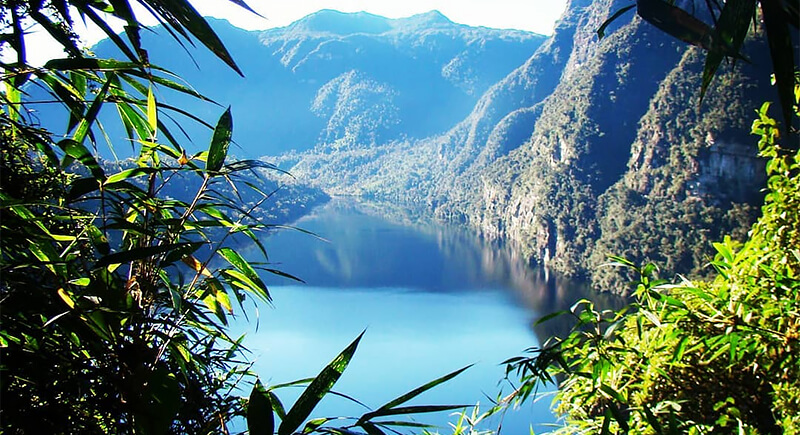
High in the cloud forests of northern Peru, there’s a mountain lagoon surrounded by cliffs and dense jungle. Laguna de los Condores appears peaceful, with waterfalls traveling down rocky slopes and mist hanging over the water. But this isolated place concealed one of South America’s most extraordinary archaeological discoveries for centuries.
In the cliffs above the lake were ancient tombs filled with mummies, artifacts, and traces of civilizations that once dominated the region. The outside world did not uncover the site until the late 1990s, even though the remains had been preserved there since the time of the Spanish conquest. Here are 10 strange truths connected to the lake that guarded its secret for half a millennium.
The Lake Sits in One of Peru’s Most Isolated Regions
Credit: Instagram
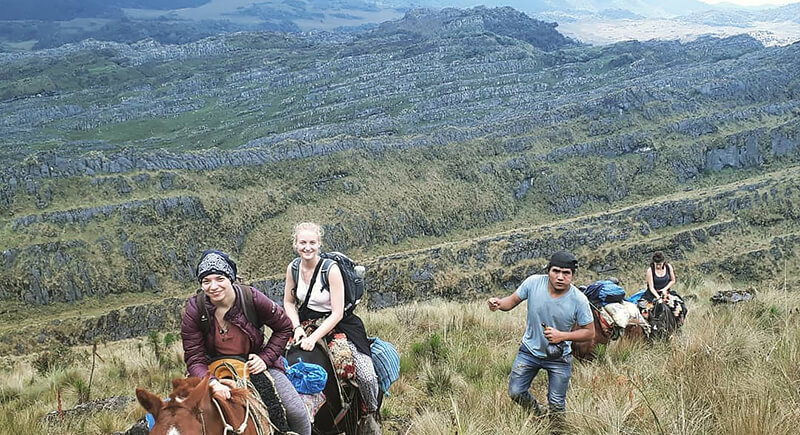
Laguna de los Condores lies in the Chachapoyas region of northern Peru, deep within the Andes, where steep mountains merge with thick cloud forest. Reaching the lake is still difficult today. The route from the village of Leymebamba crosses muddy plains, jungle trails, and rugged mountain slopes. Due to the challenging terrain, only a small number of visitors reach the area each year.
Ranch Workers Discovered the Site by Accident
Credit: Instagram
The hidden necropolis remained unknown to modern researchers until 1996. That year, workers employed by a local cattle rancher explored the mountains near the lake and stumbled upon the cliffside tombs. Their discovery revealed an extraordinary burial complex preserved in isolation.
The First Discoverers Damaged the Mummies
Credit: Wikimedia Commons
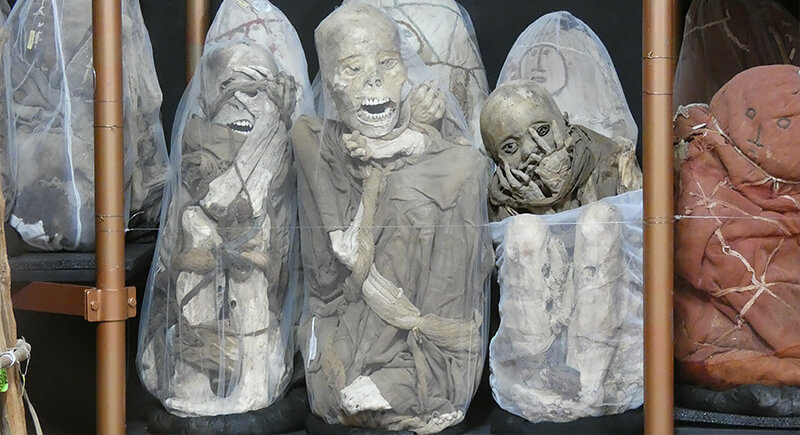
The initial discovery did not unfold as a careful archaeological excavation. Believing the tombs might contain valuable metal objects, the workers cut open several mummy bundles with machetes. Their search for treasure damaged some of the remains before authorities became aware of the site.
The Cliffs Around the Lake Became a Sacred Cemetery
Credit: Youtube
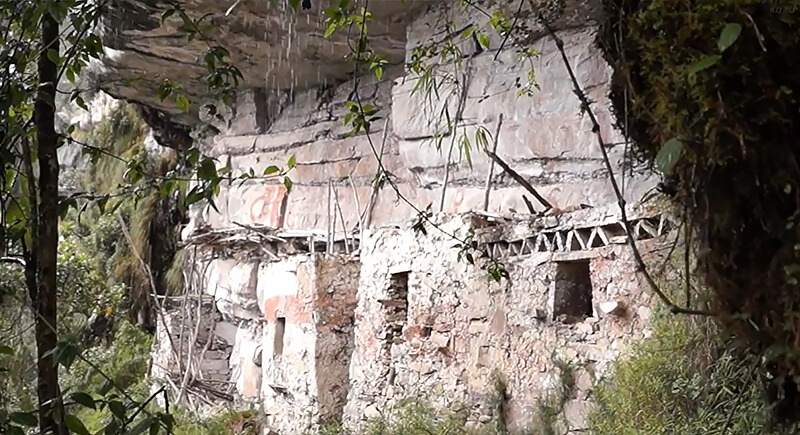
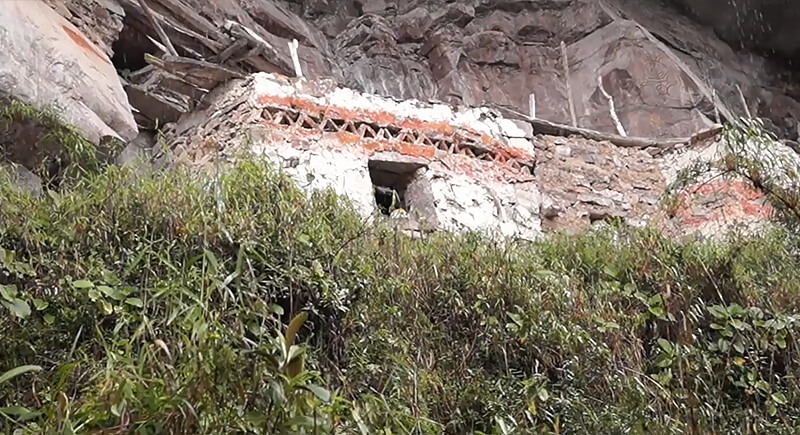
Centuries before the Incas arrived, the Chachapoya civilization used the cliffs surrounding the lagoon as a burial ground. They constructed stone tombs known as chullpas along narrow ledges about 100 meters above the lake. Some of these mausoleums were decorated with painted patterns using red, white, and yellow pigments, suggesting the site held ceremonial importance beyond burial alone.
The Site Reveals a Power Shift Between Ancient Civilizations
Credit: Youtube
Around 1470, the Inca Empire expanded into the Chachapoya region under the ruler Tupac Inca Yupanqui. After the conquest, burial customs began to change. Existing tombs were reused, and Inca mummification practices were introduced. The burial complex, therefore, preserves evidence of a moment when one powerful culture absorbed another.
The Tombs Escaped Destruction During the Spanish Conquest
Credit: Youtube
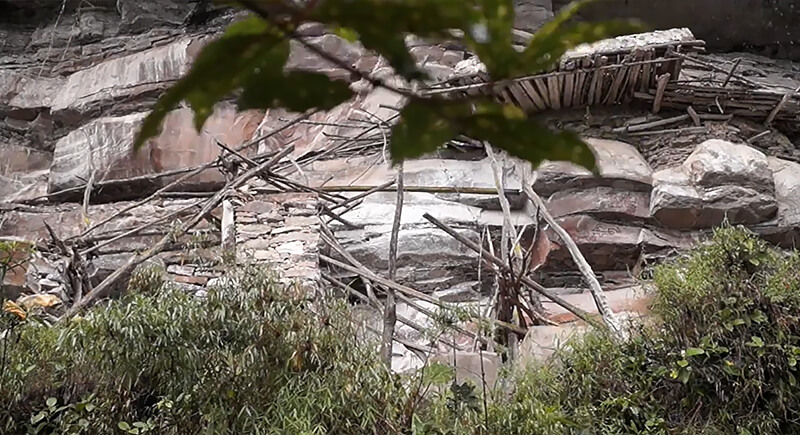
When Spanish conquistadors swept through the Andes in the 1500s, many sacred Inca sites were destroyed or looted. The burial complex at Laguna de los Condores avoided that fate. Its remote location in the mountains likely kept it hidden from colonial expeditions. As a result, the tombs remained intact for centuries while much of the region’s heritage disappeared elsewhere.
Archaeologists Found Hundreds of Preserved Bodies
Credit: Youtube
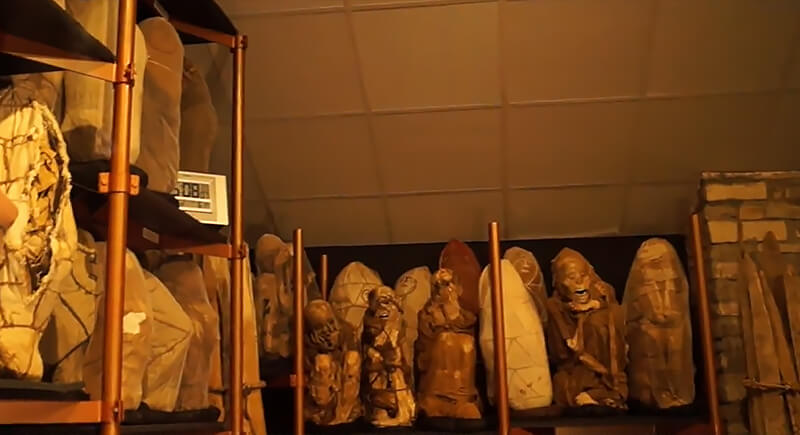
Once researchers reached the cliffs in 1997, the scale of the discovery became clear. More than 200 mummy bundles were identified, along with hundreds of burial objects such as ceramics, textiles, wooden carvings, feather ornaments, and quipus—the knotted cords used by the Inca to record information.
The Cliff Formed a Natural Preservation Chamber
Credit: Youtube
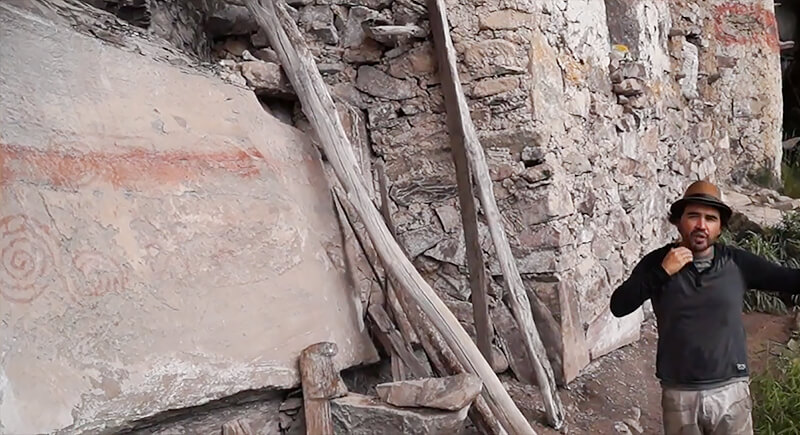
Geography played a major role in preserving the burial site. The tombs are beneath a large rock overhang that shields the ledge from rain. This natural shelter created a dry environment that protected fragile materials, such as woven cloth and feathers, for centuries.
The Inca Believed the Dead Still Influenced the Living
Credit: Instagram
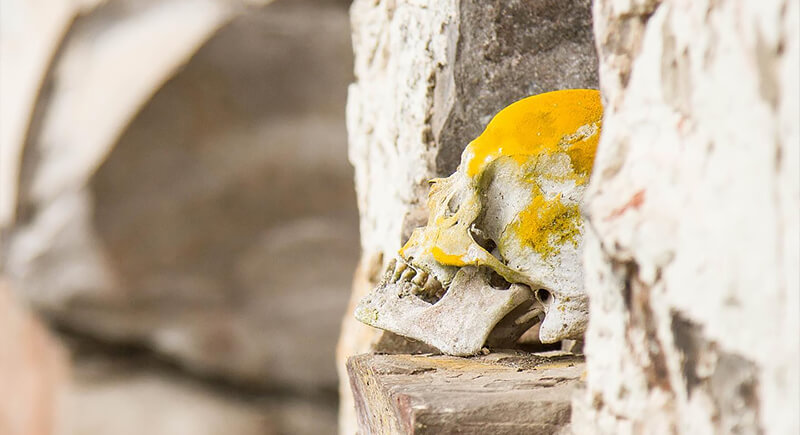
In Inca society, elite mummies continued to hold symbolic importance after death. Historical accounts suggest they participated in ceremonial gatherings and remained linked to property and political authority. The elaborate burials discovered near Laguna de los Condores indicate many individuals there belonged to the upper ranks of society.
The Mummies Had to Be Moved to Save Them
Credit: Tripadvisor
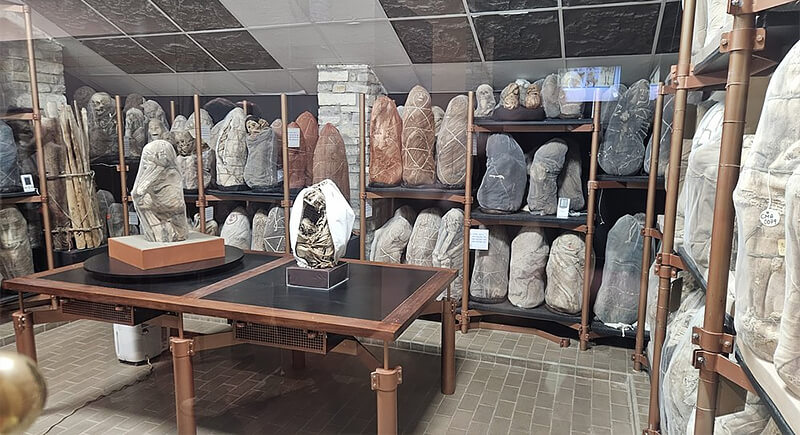
After news of the discovery spread, visitors began trekking into the mountains to see the remains. Some moved the bodies for photographs or took artifacts as souvenirs, which threatened the fragile site. To prevent further damage, archaeologists launched a rescue operation that removed 219 mummies and more than 2,000 artifacts. They were transported along mountain trails to the town of Leymebamba, where they are now preserved inside a dedicated museum.