10 Red Flags at Luxury Buffets That Indicate Low-Grade Food Safety
Luxury buffets often present a polished image, which can create the impression that food safety standards are equally high. However, appearance does not always reflect proper handling practices. The CDC estimates that about 48 million Americans experience foodborne illness each year. Here are ten warning signs to watch for to assess whether a buffet is maintaining safe food practices.
The Lids Are Missing
Credit: Canva
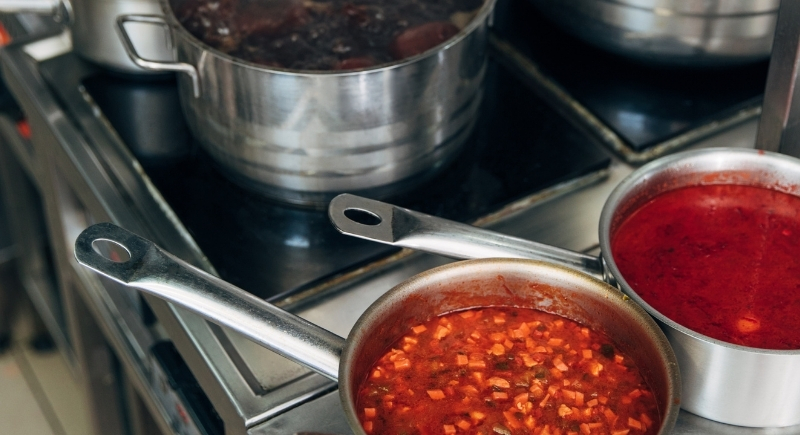
Open pans are an invitation to trouble. Without covers, sneeze guards, or some form of physical barrier, every dish on the line is exposed to the air, passing hands, and whatever is drifting through a busy dining room. The FDA Food Code requires that buffet food be protected from contamination at all times. A high-end restaurant has no reasonable excuse for leaving pans uncovered during peak service hours.
Hot Food That Feels Lukewarm
Credit: Getty Images
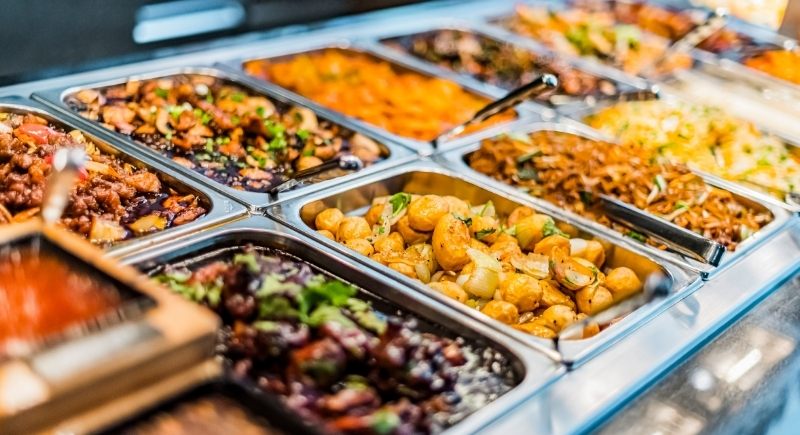
Food scientists refer to the temperature range where things go wrong as the “danger zone.” This temperature range is usually 41°F to 135°F, and it’s where bacteria such as Staphylococcus aureus and Bacillus cereus thrive. The FDA Food Code sets the minimum hot holding temperature for food service at 135°F. A serving tray that feels lukewarm may indicate a faulty monitoring process.
Nobody Is Watching the Station
Credit: Canva
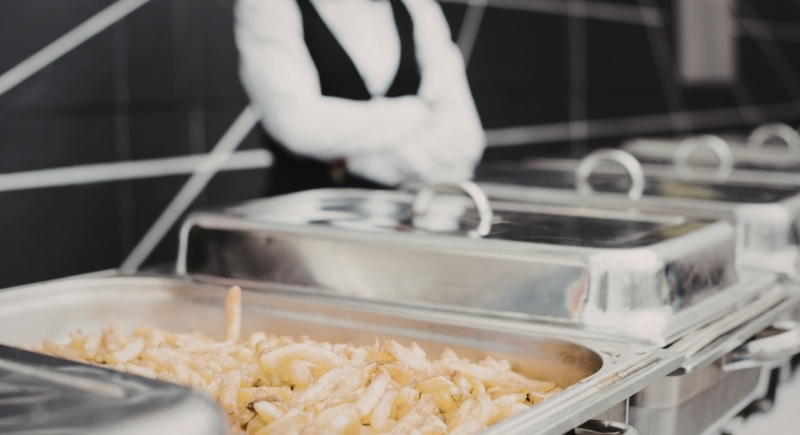
The “Chipotle” E. coli outbreak in 2015 and the subsequent norovirus incidents taught the food industry a lesson on how contamination events can occur when no one is watching the line. A well-run buffet always has someone on the floor watching for reused plates, dropped utensils, and food that has been sitting too long. Martin Bucknavage of Penn State has noted that staff presence is an indicator of how seriously a restaurant takes contamination prevention.
Old Food Getting a New Topping
Credit: Getty Images
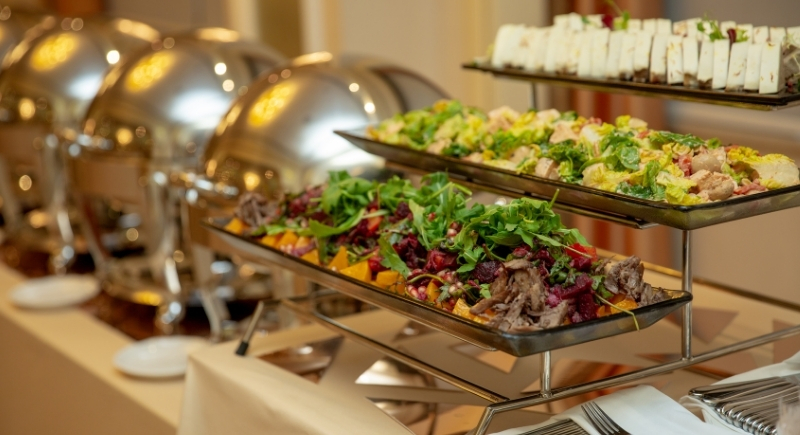
A staff member who pours a fresh batch directly onto the remnants, rather than swapping out the entire pan, is committing a food safety error known as batch blending. It violates the first-in, first-out principle that food handlers are trained to follow, because the old food has already developed a bacterial load throughout its time on the line.
The Cold Dishes Aren’t Cold
Credit: pexels
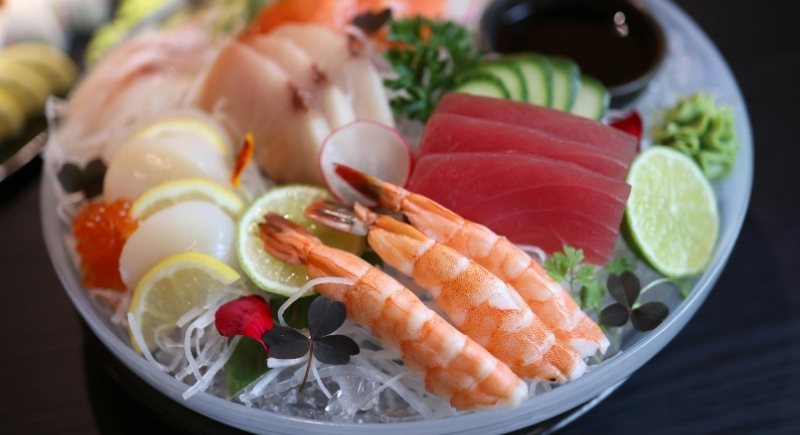
Shrimp cocktail, sushi, cold cuts, and fresh fruit must be kept at or below 41°F to remain safe, according to the FDA Food Code. That temperature is usually achieved via refrigeration or a deep bed of ice beneath the display. A platter sitting on mostly melted ice tells you the cold chain broke down well before you arrived.
Serving Utensils Are Shared or Missing
Credit: Canva
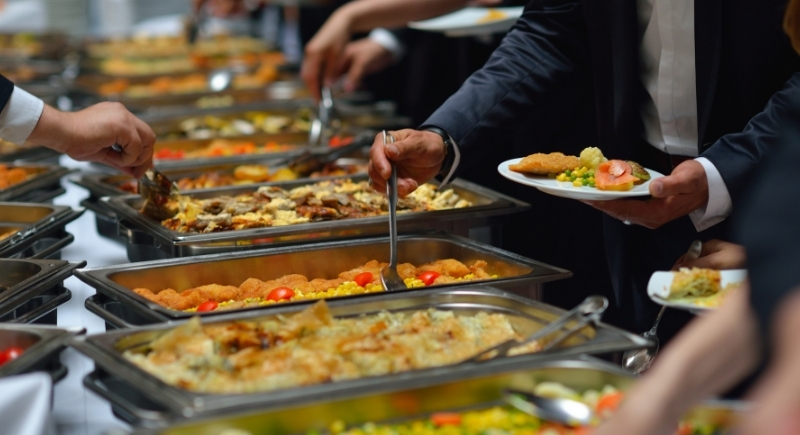
Dr. Darin Detwiler, a food safety expert at Northeastern University, has described shared utensils as one of the fastest routes to a contamination event at a buffet. When utensils move from one dish to another, allergens and pathogens can travel with them, posing a risk to guests with food allergies. Food safety guidance recommends that every dish have its own dedicated utensil, stored handle-up and out of the food itself.
The Bathroom Tells a Different Story
Credit: Canva
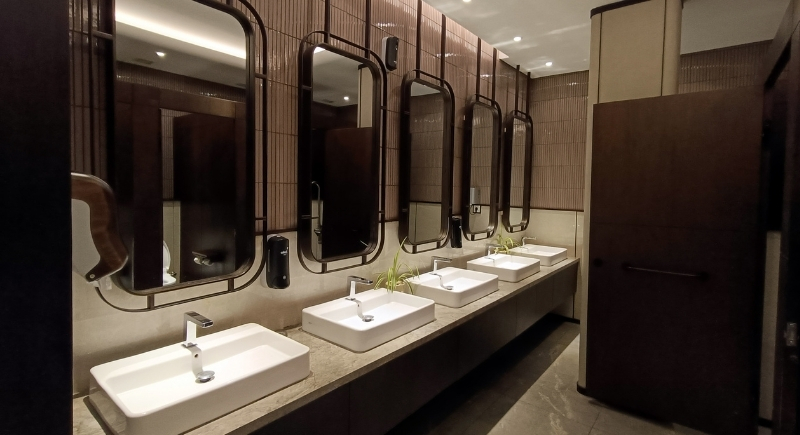
Before committing to a meal, walk through the restroom. No hand soap, empty dispensers, or visibly neglected surfaces can signal that basic sanitation isn’t a management priority. This behavior is important for food safety because handwashing is the primary barrier against norovirus, which the CDC identifies as the leading cause of foodborne illness outbreaks in the United States. A kitchen staff operating in a culture of lax hygiene is a red flag.
Food That Looks Like It Has Had a Long Day
Credit: Getty Images
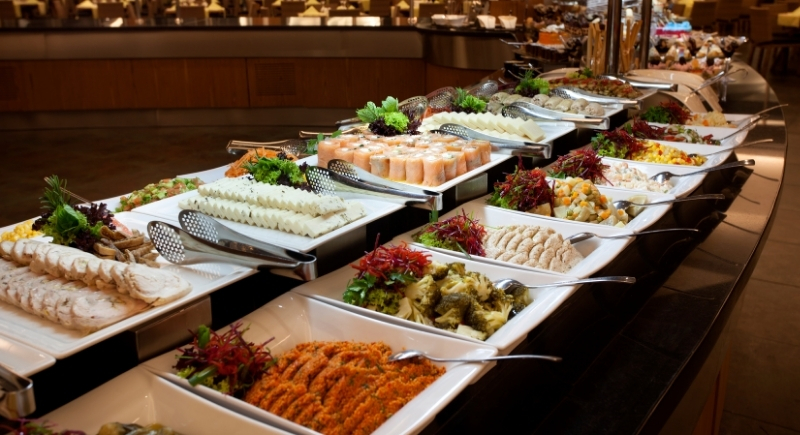
The USDA’s two-hour rule exists because bacterial growth outside of temperature control isn’t gradual. It’s exponential. By the time food shows visible signs of deterioration, such as graying proteins, the microbial activity would be well underway. Visible decline is the last signal, not the first, which means a buffet serving food that looks like it’s been out since lunch has a management problem no garnish can disguise.
The Health Inspection Score Is Hard to Find

Credit: Getty Images
Most people don’t think to look, but restaurant inspection reports are public records across the United States. Mandatory display requirements vary by jurisdiction, with cities like New York and counties like Los Angeles requiring visible grade posting on-site. Other areas make reports available through local health department websites. A restaurant whose publicly available reports show repeated violations related to hygiene is giving potential diners useful information, whether it intends to or not.
No Allergen Information on Display
Credit: Canva
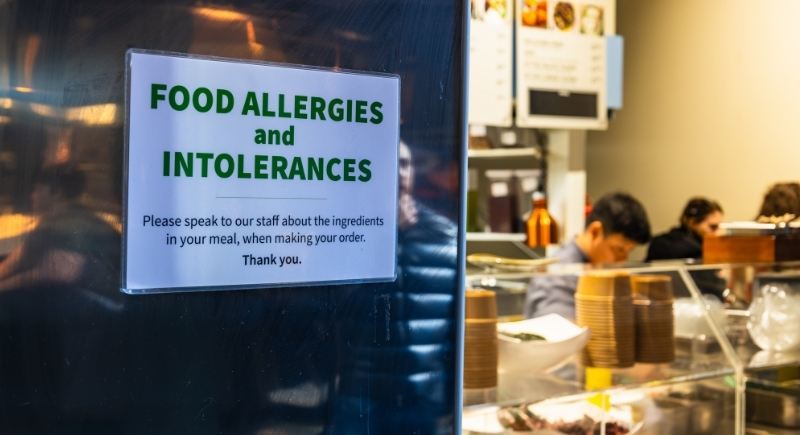
Food allergy reactions send roughly 200,000 Americans to the emergency room every year. At a buffet, where dishes share utensils and cross-contamination is a risk, that number carries grave consequences. The FDA’s Food Allergen Labeling and Consumer Protection Act (FALCPA) requires that major allergens be declared. A luxury buffet with no allergen labeling anywhere is a problem waiting to happen.