9 Secrets Your River Cruise Director Won’t Tell You
River cruises look calm and effortless from the outside. However, the polished experience hides plenty of practical details that rarely make it into glossy brochures. Small ships operate very differently from giant ocean liners, and many everyday realities remain behind the scenes. Taking a closer look can reveal quirks about cabins, tours, food, and even what happens below deck.
You Can Bring Unlimited Alcohol On Board
Credit: Getty Images
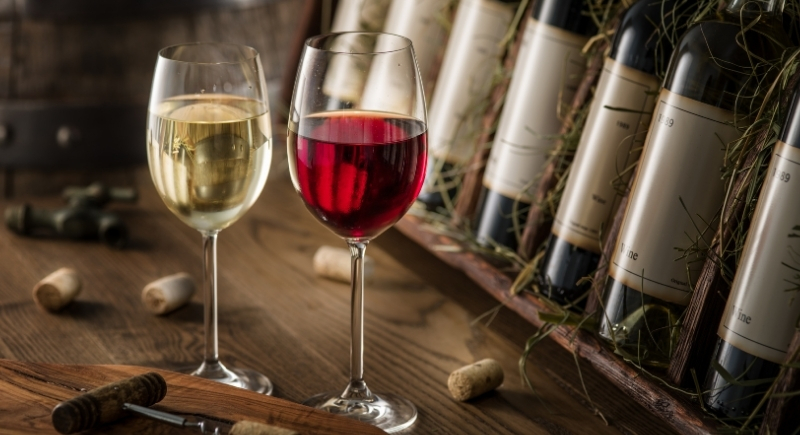
Some river cruises allow guests to bring their own drinks. Travelers can board with bottles of wine, beer, or spirits without limits. Passengers can also purchase drinks during port visits and bring them back on board. Even better, the crew will serve those personal bottles in the dining room without charging a corkage fee. The rule lets travelers enjoy a favorite vintage from a local shop or market during dinner onboard.
Security Is Surprisingly Relaxed

Credit: Canva
Security procedures on river cruise ships tend to be minimal compared with those on large ocean liners. When passengers leave or return from shore excursions, they typically scan their room key card at a kiosk to record their on- and off-ship movements. Formal screening, such as metal detectors or long security lines, is uncommon. The ship itself remains locked for safety, so the key card functions as the primary method of access.
The Ship Has A Morgue

Credit: Getty Images
Cruise ships, including river vessels, carry a medical facility, including a small morgue compartment. They sometimes sail for days before reaching a port with appropriate medical facilities. When a death occurs, the body remains in that refrigerated area until the ship docks. The reality exists because cruise lines frequently host older travelers and must be prepared for medical emergencies at sea or on rivers.
Sometimes You Walk Through Other Ships
Credit: Wikimedia Commons
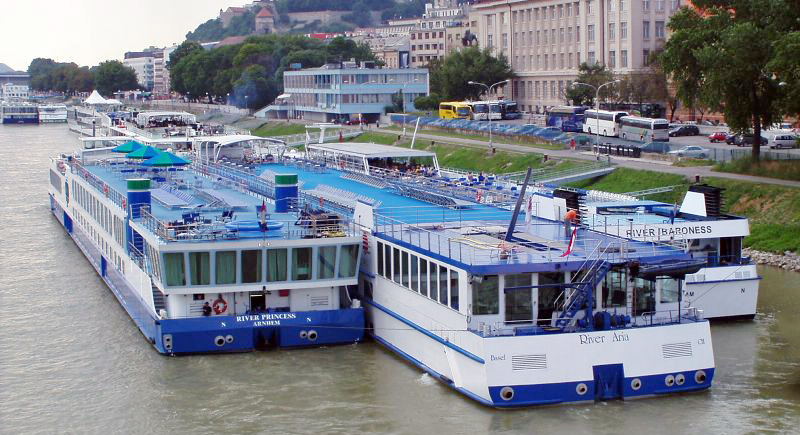
River ports often host several vessels at the same dock. When that happens, ships tie up side by side along the riverbank. Passengers from the outer vessels must walk across the rooftop decks of neighboring ships to reach the pier. Crew members usually guide travelers across the gangways to ensure that no one boards the wrong vessel.
The Ship Might Not Dock Where You Expect
Credit: pexels
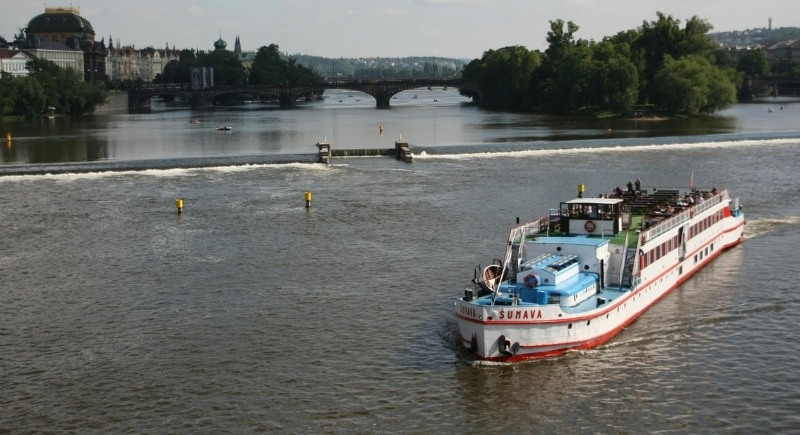
River levels change constantly due to rainfall, snowmelt, or seasonal droughts. When water rises too high, ships may not fit under bridges. When levels drop too low, certain stretches of the river become impassable. In those situations, the ship may dock in a nearby town instead of the planned city. Shuttle buses transport passengers to the destination while the vessel waits in deeper water. Cruise directors explain the change quickly, but the adjustment can surprise travelers expecting a precise itinerary.
There Are Hidden Crew Areas Guests Never See

Credit: Canva
There’s a separate section reserved entirely for crew members, including lounges, dining areas, and recreation spaces that passengers never enter. Many even include small bars or pools exclusively for crew use. Cruise line policies prevent crew from socializing with guests when off duty, so these private zones allow staff to relax away from passengers.
Cabins Hide More Storage Than You Realize
Credit: Canva
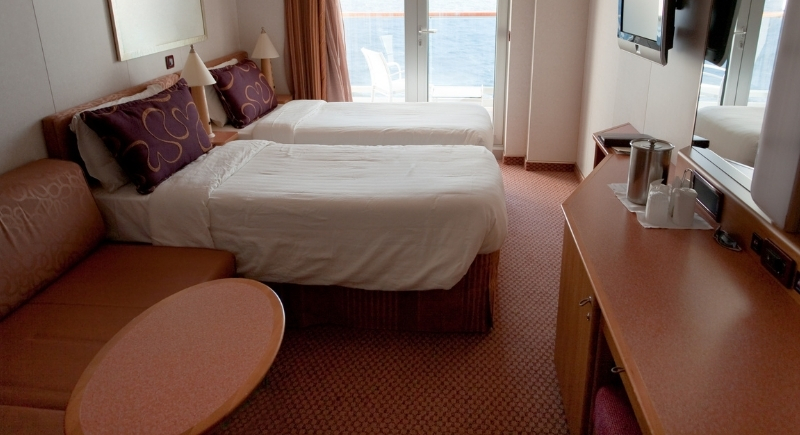
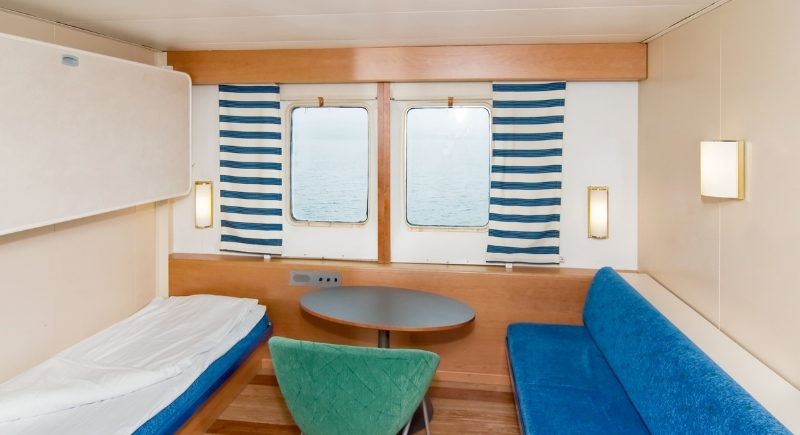
River cruise cabins look compact at first glance, yet designers quietly hide storage compartments throughout the room. Drawers often sit beneath the bed, while cabinets appear inside benches or ottomans. Mirrors sometimes conceal shelves for toiletries or accessories. Even the charging ports may be hidden behind the television panel. Asking a cabin steward for a quick tour can reveal storage spaces that passengers easily miss during the first day on board.
Cabin Walls Are Magnetic
Credit: Canva
The walls inside most cruise ship cabins are made from metal rather than drywall. The detail turns magnets into surprisingly useful tools during the trip. Experienced travelers pack magnetic hooks to hang coats, hats, backpacks, and excursion maps. The trick frees up limited drawer space and keeps clutter off the desk or bed.
Booking Your Next Cruise Onboard Can Save Money
Credit: pexels
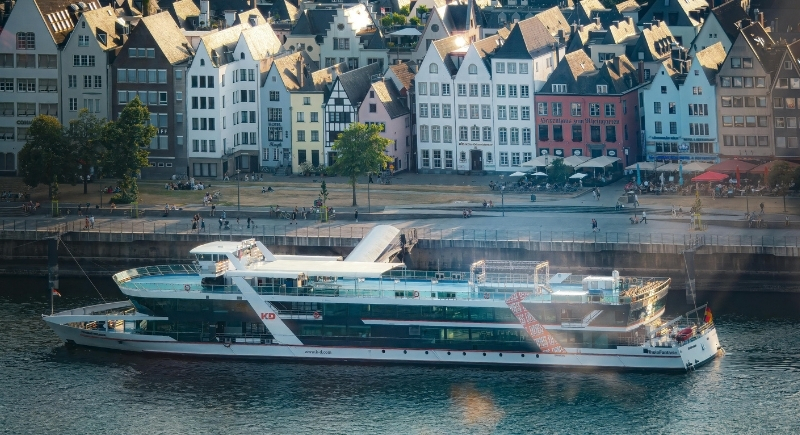
Many cruise ships have a small booking desk near the reception area. Passengers who enjoy their trip can reserve a future cruise before leaving the ship. Cruise lines often offer special incentives for booking while still onboard, such as reduced deposits or future cruise credits. These offers are usually limited to passengers currently sailing and may not be available once the trip ends. Frequent cruisers often stop by the desk during the final days of the voyage to lock in a better deal for their next trip.