10 Reasons Why You Should Be Terrified of the Appalachian Mountains
The Appalachian Mountains cover more than 2,000 miles and are known for being gentler than western peaks. But that reputation sometimes creates false confidence because this range has extreme weather, dense forest, documented crimes, and disappearances that are unsolved to this day. Investigators tend to struggle against terrain that limits sight and slows movement.
If you assume these mountains are mild because they look lower and older, you may learn quickly that appearance means very little out here.
The Mountains are Geologically Violent at Their Core
Credit: Getty Images
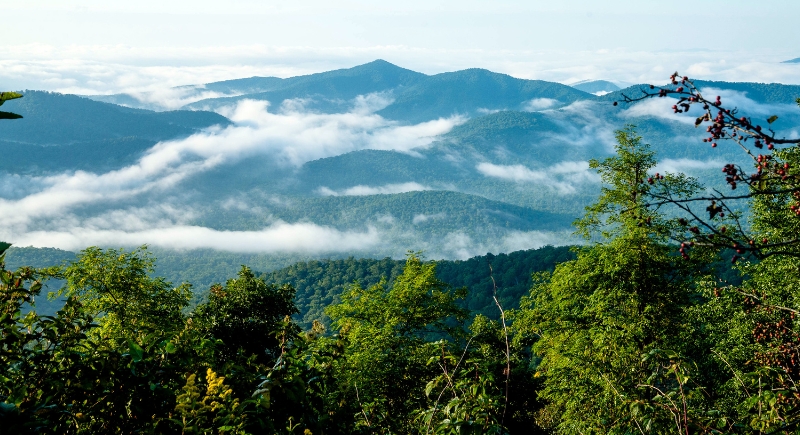
The Appalachians may look rounded and worn, yet their origin story reads like a disaster timeline. The core rock formed nearly 1.2 billion years ago, when tectonic plates collided, separated, and collided again. Africa slammed into North America and folded entire ridges inward. That violent shaping created steep slopes and deep hollows that still define the topography.
Mount Washington Has Deadly Weather Records
Credit: Wikimedia Commons
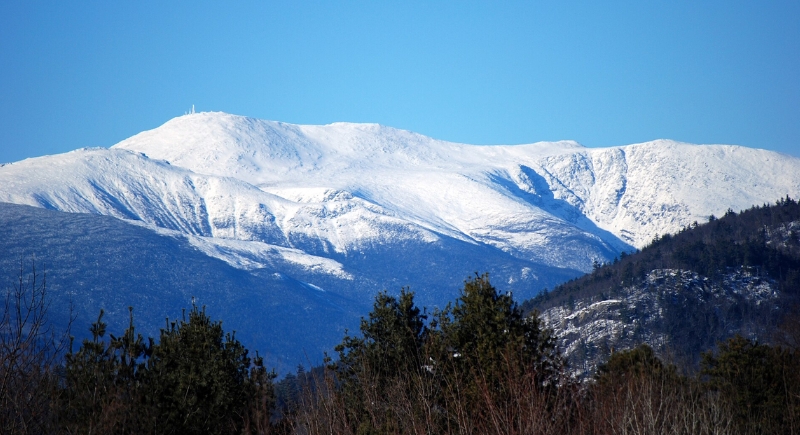
You would be surprised to know that around 130 people have lost their lives here on Mount Washington in New Hampshire. The summit has recorded temperatures as low as -47 degrees, with wind chill dropping to -108 degrees. Winds usually reach hurricane force as storm systems funnel directly toward the peak and can wipe out visibility within minutes.
Heavy Rain and Fog Reduce Your Margin for Error

Credit: Getty Images
If you take a wrong turn in the southern Appalachians, the environment can close in on you quickly. This area receives some of the highest rainfall totals in the United States outside the Pacific Northwest, with some areas recording more than 230 centimeters per year. Heavy rain can carve deep gorges and raise flash flood risk.
These Hills Can Hide You Easily

Credit: Canva
Geraldine Large stepped off the Appalachian Trail briefly and could not find her way back. She was only two miles away when her remains were eventually discovered years later, even after repeated quests. Her case highlights how deceptive this trail can be, which stretches roughly 2,000 miles across rugged, heavily wooded terrain.
Wildlife Requires Awareness and Smart Behavior
Credit: Getty Images
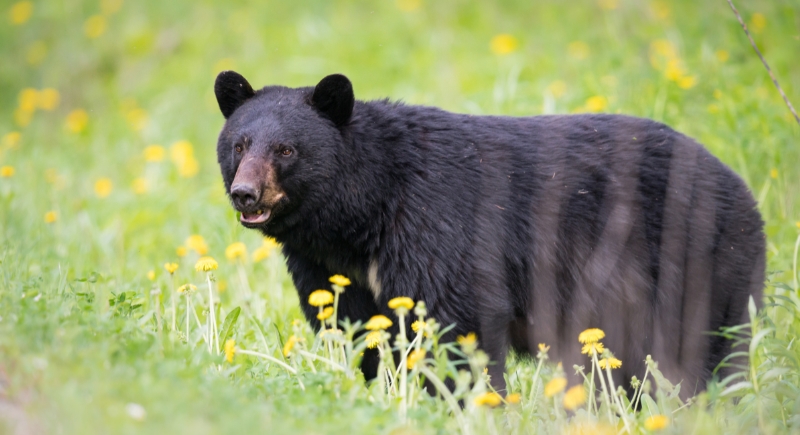
Black bears roam many sections of the trail and may even approach campsites in search of food. Rattlesnakes and copperheads appear in rocky areas, especially in Pennsylvania. Coyotes also move through forest corridors, and most snake bite incidents occur when people try to handle them. Experienced hikers hang food properly or use bear boxes.
Water and Illness Create Hidden Dangers

Credit: Getty Images
As a backpacker, you learn that clear mountain water does not guarantee safety. Mountain streams can carry Giardia and other pathogens if left untreated. Norovirus outbreaks have affected hikers along the trail in recent years. Insects swarm during warmer months, increasing the risk of irritation and infection.
Real Casualties Have Occurred on the Trail
Credit: Getty Images
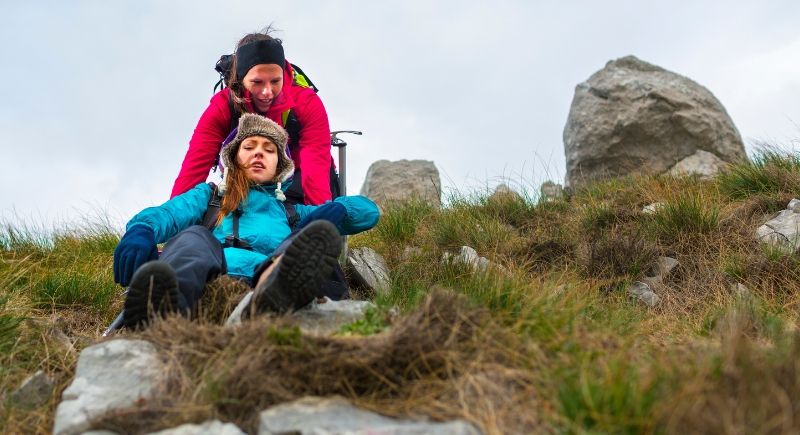
In 2019, a machete attack claimed the life of Ronald Sanchez Jr. and left another hiker seriously injured. The assault shocked a community built on shared campsites and casual trust between strangers. That was not an isolated tragedy, as in 1996, two women were bound and murdered in Shenandoah National Park.
Several Disappearances are Still Unsolved
Credit: pexels
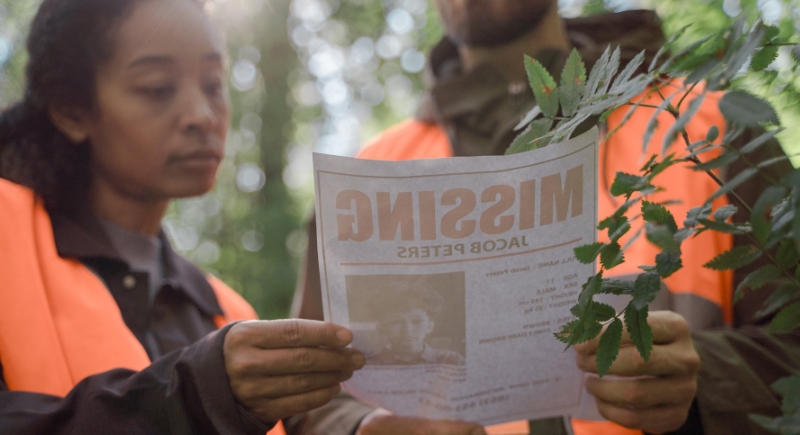
Dennis Martin vanished during a family hike in 1969 in the Great Smoky Mountains National Park. Massive efforts produced no confirmed answers. Another man, Derek Liu King, left a note reading “Don’t look for me” before disappearing near Newfound Gap. Search crews face dense canopies and steep slopes that limit visibility, which is one reason some cases linger for decades without resolution.
The Landscape Influences Perception and Folklore

Credit: Dragon Images
Researchers have observed that children in Appalachian communities typically draw mountains larger than homes. Nature dominates the visual and emotional landscape. Author Ursula Vernon has described feeling the age of the mountains pressing down. Folklore such as the Mothman and Wampus Cat grew within this setting.
Rescue Operations Face Serious Limitations
Credit: Canva
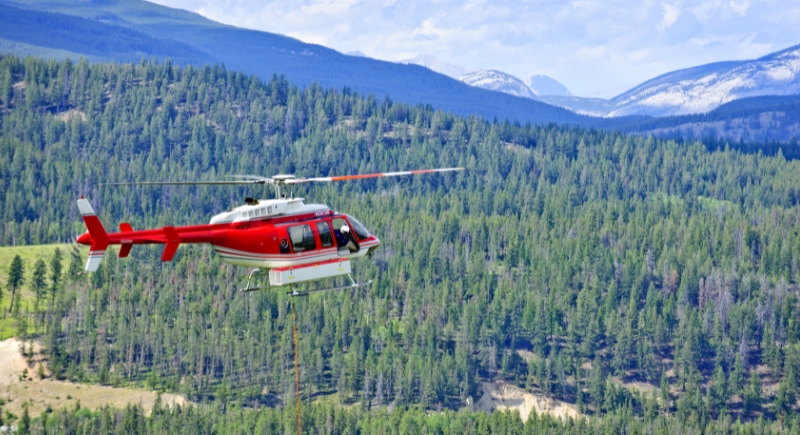
Search teams deploy dogs, helicopters, and ground volunteers during emergencies. Thick tree cover blocks the view from above and slows progress. Storms can erase scent trails and wash away tracks. Brin Hargraves disappeared in West Virginia, and authorities looked extensively. His remains were discovered a year later across the street from his apartment in an area previously examined.