The Icelandic Language Has Changed So Little in 1,000 Years that locals Can Still Read Ancient Viking Sagas
If you’ve browsed a dusty old Viking saga and thought you’d need a full translation or an ancient rune decoder to make sense of it, then you’re not alone. However, on the island of Iceland, something remarkable happens: modern Icelanders can open medieval manuscripts and understand them. The language they speak today is quite close to the one the Vikings used at that time.
Why Iceland Stayed So Close to Its Roots
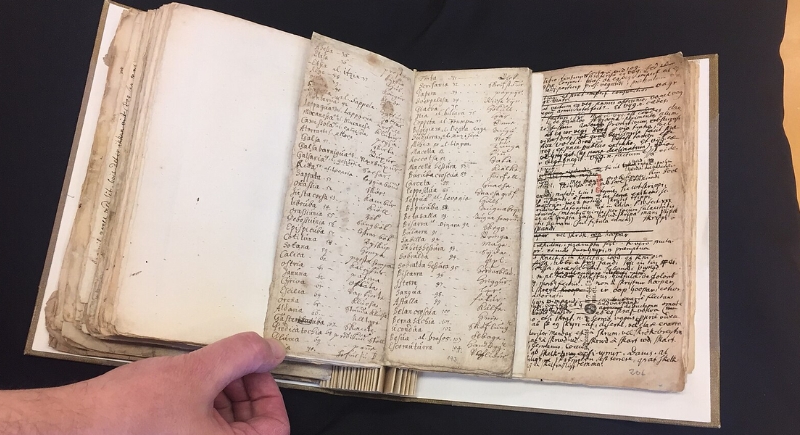
Image via Wikimedia Commons/Ksarasola
It all started around the late 9th century, when settlers from Norway (and some from the British Isles) brought the North Germanic tongue known as Old Norse to Iceland. Since Iceland is a remote island, sparsely populated at first, and geographically isolated, the language has faced fewer external pressures to change.
One travel guide puts it this way: the island’s isolation and conscious preservation of language have kept Icelandic “hardly changed since the 11th century.” Unlike its Scandinavian neighbours, which adopted, mixed, and borrowed languages through migrations and trade, Iceland’s linguistic ecosystem remained comparatively stable.
Another significant aspect is its cultural commitment. Icelanders respect their literary heritage, and the language is taught, celebrated, and institutionalised.
The Meaning In Practice
Today’s modern Icelandic speakers can read medieval manuscripts from the 12th or 13th century with effort and modernised spelling. That’s not to say everything is identical; pronunciations and some vocabulary have shifted, but the written language remains remarkably similar.
Because of this continuity, texts like the sagas of Icelanders (the ‘Íslendingasögur’) serve not only as historical documents but also as direct links between today’s readers and their Viking-age ancestors. Grammar and structure are still complex (Icelandic retains multiple cases and genders), but that conservatism is part of what preserves the continuity.
How the Modern Language Holds On and Grows
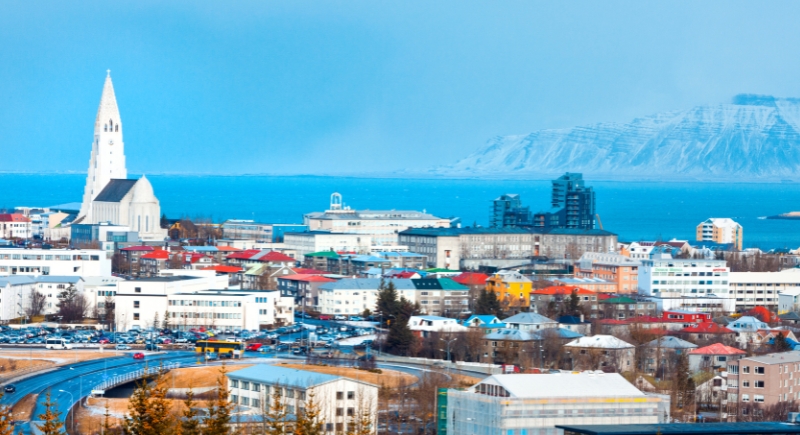
Image via Getty Images/Power of Forever
Staying almost unchanged for centuries doesn’t mean stagnation. Icelanders have faced modern pressures like tourism, technology, and global media. They’ve responded with a language policy that favours coining native words over adopting foreign ones. For example, instead of simply importing “computer,” Icelandic uses the word ‘tölva’ (literally “number-oracle”). There is also a formal celebration: since 1996, the country has marked “Icelandic Language Day” every November 16 to honour the language’s role in national identity.