The Quiet Moves That Get You Blacklisted From Major Hotels
Hotels rarely announce when they stop accepting a guest. There is no public notice or formal warning. In most cases, it happens behind the scenes in the reservation system. Staff add notes to a guest profile, record incidents, and track repeated issues. Within large hotel groups, that information can sometimes be visible across multiple properties in the same brand.
Many travelers only discover the problem when a future booking does not go through. What often leads to this outcome is not a single dramatic event. More commonly, it is a pattern of small issues that hotels view as expensive, disruptive, or risky to manage. Over time, those notes can lead a property to decline future reservations.
Constantly Disputing Legitimate Charges

Image via Pexels/cottonbro studio
Hotels expect occasional billing questions, but repeat charge disputes raise red flags quickly. Guests who challenge valid charges for minibar items, smoking fees, or damage costs create extra work for accounting teams and sometimes trigger costly credit card chargebacks.
Property management systems often track these disputes in a guest’s profile. When the same guest repeatedly challenges legitimate charges, hotels may decide the business relationship isn’t worth the effort and block future reservations.
Turning Complaints Into a Strategy

Image via Getty Images/Dimensions
Some travelers discover that complaining can lead to free upgrades, refunds, or other perks. Hotels call these guests “chronic complainers,” and they often appear friendly at first. Over time, however, the pattern becomes obvious.
Staff members document each incident in the reservation system. When complaints happen during nearly every stay, hotels may conclude the guest is using service issues as leverage for compensation. At that point, refusing future bookings becomes easier than continuing the cycle.
Ignoring Fire Safety Systems
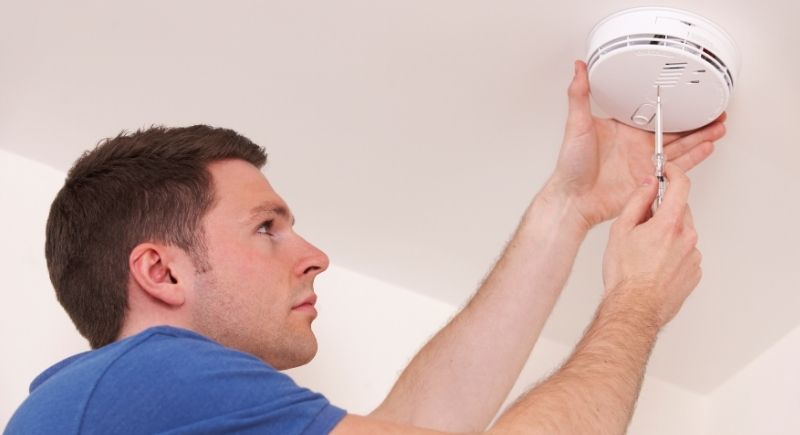
Image via Getty Images/MachineHeadz
Fire safety rules are among the strictest policies inside hotels. Tampering with smoke detectors, covering them with tape or plastic, or disabling alarms so smoking can continue inside a room is treated as a serious violation.
Hotels also see problems when guests hang clothing or bags from ceiling sprinklers. These systems activate under pressure or heat, and even minor interference can trigger thousands of dollars in water damage. Guests responsible for these incidents often find their names permanently flagged in the hotel system.
Propping Open Security Doors
Side entrances and fire exits are designed to remain closed for security and safety reasons. When guests wedge those doors open with trash cans or shoes, they create an easy entry point for people who aren’t staying at the property.
Security teams take these shortcuts seriously because they undermine building safety. Guests who repeatedly ignore warnings about propped doors may be asked to leave and later find their booking privileges revoked.
Sneaking In Extra Guests
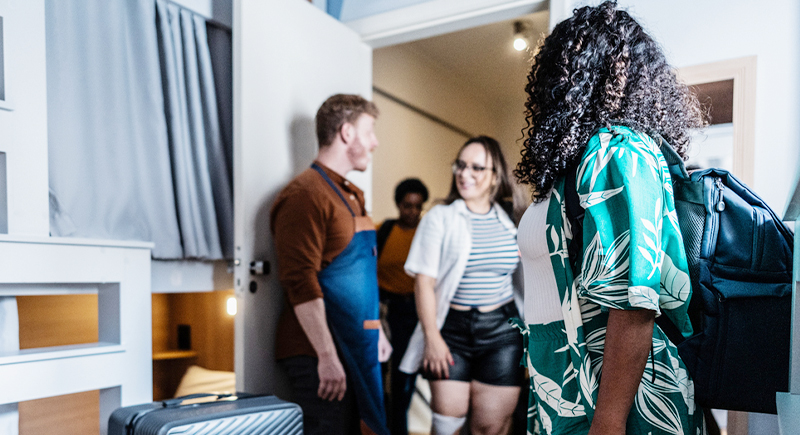
Image via iStockphoto/FG Trade
Hotels track the number of people assigned to each room for safety and liability reasons. Fire codes, evacuation procedures, and insurance rules all depend on accurate occupancy counts.
Problems begin when extra guests start staying overnight without being registered. Housekeeping and security teams often notice these patterns quickly. After repeated warnings, some hotels cancel the reservation and mark the guest profile to prevent future bookings.
Using Hotel Rooms as Workspaces or Studios
A hotel room might look like a convenient place to run a small business, film content, or stage a photo shoot. Many properties prohibit these activities unless the guest arranges permission in advance.
Staff members usually notice unusual equipment, lighting setups, or frequent visitors entering the room. When a guest turns the room into a commercial space without approval, hotels may treat the violation as grounds for banning future stays.
Turning the Front Desk Into a Package Warehouse

Image via Pexels/betül akyürek
Hotels commonly accept the occasional delivery for guests. Trouble starts when dozens of packages begin arriving for the same reservation.
Front desk teams must track, store, and manage every delivery. When the flow of boxes begins to resemble a shipping depot, the hotel’s storage space and staff time disappear quickly. Some properties simply decide that guests using them as a delivery hub will not be invited back.
Charging Large Batteries Inside Rooms
Electric scooters, e-bikes, and other devices with large lithium batteries have introduced new fire risks in hotels. Several high-profile battery fires in recent years have made property owners more cautious about indoor charging.
Many hotels now prohibit charging these devices inside guest rooms. Guests who ignore warnings and continue running chargers across carpets or power strips may be removed from the property and flagged in the reservation system.
Flying Drones Around the Property

Image via Canva/jakubgojda
Drones can disrupt weddings, pool areas, and private events. They also raise privacy concerns for other guests relaxing on balconies or beaches.
For these reasons, drones are banned entirely on many hotel grounds. Repeated violations may result in the reservation being canceled early and the guest being blocked from returning.
Threatening or Harassing Staff
Few actions lead to a faster ban than aggressive behavior toward employees. Verbal abuse, threats, or intimidation often end up recorded in the guest’s profile. Once that record exists, management may decide the safest option is to refuse future reservations.
Front desk workers and housekeepers deal with hundreds of guests every week, and hotels protect them by documenting hostile encounters.