The Unfiltered Truth About Where the Solo Adventure Ends and the Danger Begins
Solo travel sells a powerful idea. You move on your own schedule and make every decision, not compromising on how you experience places. That sense of control draws people in. It feels like an adventure that’s completely yours.
And for a while, it delivers on its promises. Yet the sense of control that makes solo travel so appealing has limits, and those limits rarely reveal themselves at the beginning.
The shift from adventure to risk rarely comes with a clear warning. It starts when something feels slightly off but there is no one there to question it or slow things down. Without that pause, small changes can go unchecked, and that is often where the real danger begins.
When the Environment Changes Faster Than You Do
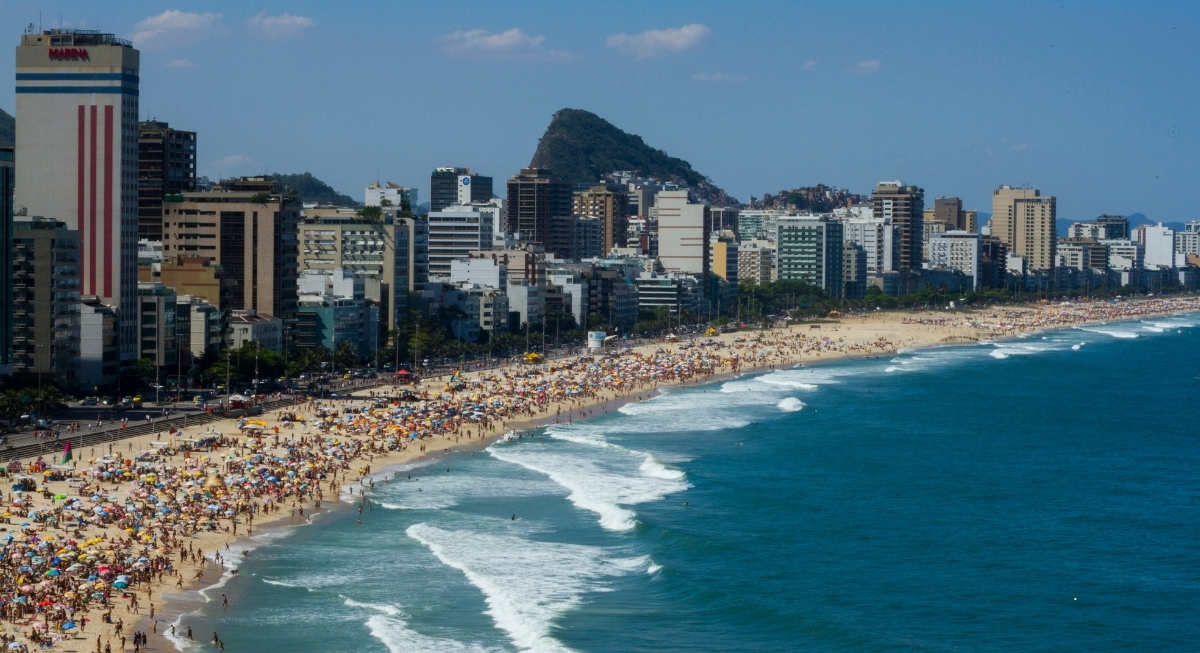
Image via Getty Images/ lucollyer
A place can feel easy to move through for hours. Streets stay busy, people are around, and everything feels predictable enough that you stop thinking twice about where you are going.
Then the timing shifts. Shops close, foot traffic drops, and the same streets start to feel different. In places like Rio de Janeiro, theft and opportunistic crime tend to pick up in less crowded or poorly lit areas, especially just outside the busy zones.
Nothing obvious announces that change, but the level of exposure increases. The space is the same, yet the conditions around you are not.
When You Lose Direction and Don’t Realize It Immediately
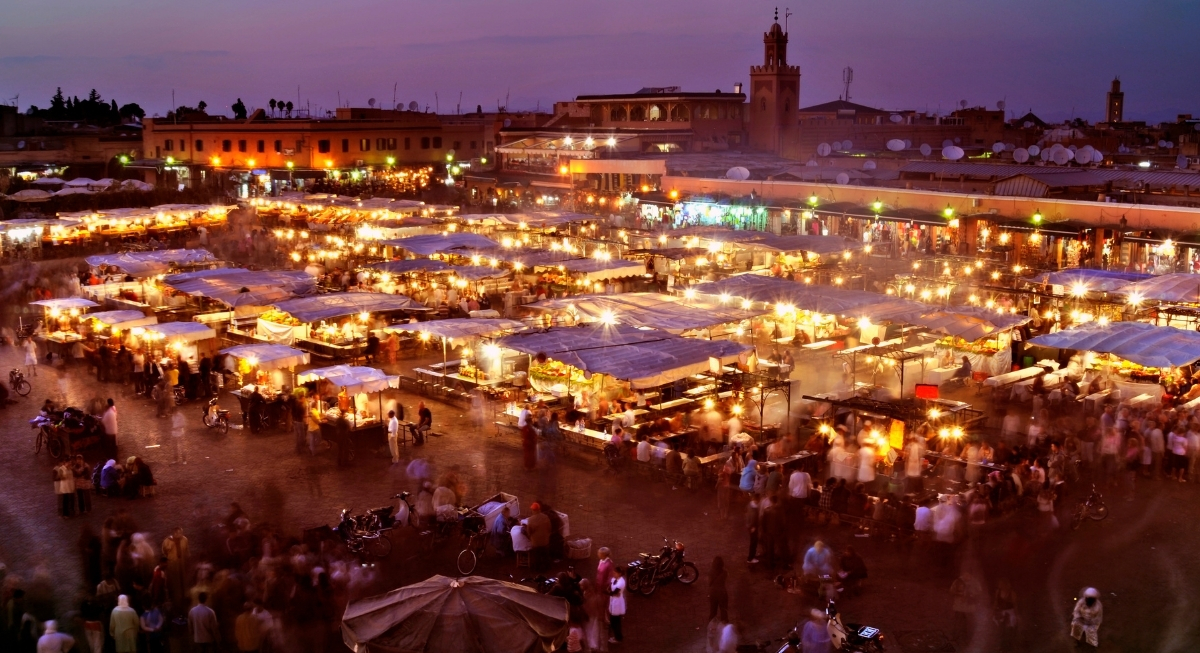
Image via Getty Images/ugurhan
A wrong turn rarely feels like a problem at first. You assume you will reconnect with a main road or come across something familiar. That sense of control can slip without you noticing.
In places like Marrakech’s medina, streets loop into each other, signs are limited, and everything starts to look the same. Navigation apps do not always fix it right away. What begins as casual exploring can turn into uncertainty before you realize it.
Once you start looking around for direction, your movement changes. You slow down and hesitate, and it becomes clear you are unsure. That is when you are more likely to draw attention, including offers to guide you that can lead to pressure, detours, or unexpected payments.
Asking for help is part of travel, and most interactions are straightforward. Still, in cities where tourist scams are common, some situations can shift in ways you did not expect.
When Physical Condition Starts Driving Your Decisions
After a long day, your pace changes before you fully register it. You may walk farther than planned, skip proper breaks, and keep going because no one else is setting limits.
By the time you decide to head back, fatigue has already set in. Instead of checking options carefully, you choose what feels easiest in the moment. In some cities, that can mean accepting transport without confirming how it operates, whether it is regulated, or how pricing works. Situations like overcharging or route manipulation often happen when convenience replaces verification.
When Familiar Places Lower Your Guard
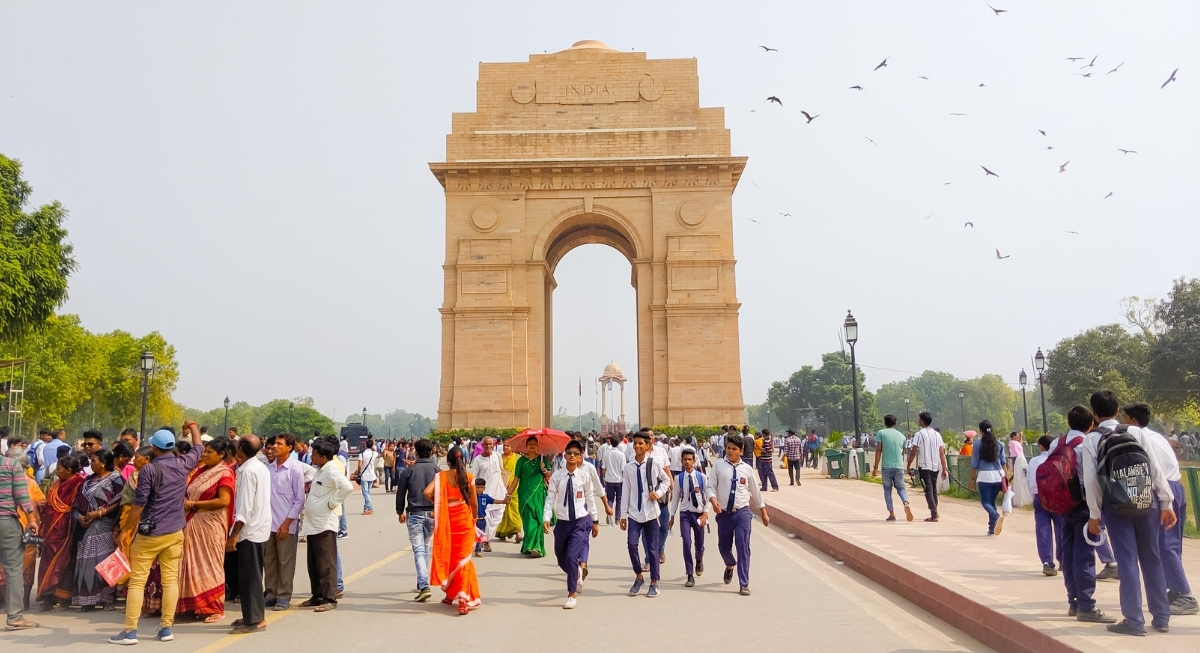
Image via Getty Images/naveen0301
Popular destinations often feel easier to navigate because they are busy and widely visited. That creates a sense that conditions are consistent across the city. In cities like New Delhi or Lima, safety conditions can change within short distances.
One area may feel structured and manageable, while another carries higher levels of petty crime or harassment. The presence of other travelers does not remove those differences. In some cases, it can make them less obvious.
What Solo Travel Really Demands
Traveling alone can be one of the most rewarding ways to experience the world, but it requires more than confidence.
It requires paying attention to changes in your surroundings, adjusting your behavior when something feels off, and knowing when to pause instead of continuing forward.
Freedom is what makes solo travel appealing. Understanding when to rely on awareness instead of momentum is what helps keep that freedom working in your favor.