10 “Helpful” Things Tourists Do That Actually Drive Tour Guides Crazy
Tour guides have seen it all from tourists; many of them ignore warning signs, disrespect sacred sites, and ask questions that make you wonder how some people function every day. But beyond the chaos, other tourists behave in a supposedly helpful manner while missing the target. The intentions may be good, but the execution is not. Here are 10 of those moments.
Jumping In With “Fun Facts”

Credit: Getty Images
There’s always one person in the group who took a Wikipedia deep dive the night before and cannot wait to share it. Mid-sentence, while the guide is explaining the significance of a 400-year-old structure, they spew facts and quote professional bodies like a typical know-it-all. Interrupting with a half-remembered factoid doesn’t add to the tour, especially when that’s the job of a well-trained tour guide.
Enhancing The Scenery

Credit: Getty Images
Many tourists try to add a personal touch to a place without realizing it can create problems. At one winery, a visitor scattered a relative’s ashes over the merlot vines as a tribute. The gesture may have been sincere, but placing human remains on food-producing plants can violate sanitation rules. Incidents like this force guides to explain regulations and handle an uncomfortable situation during the tour.
Translating for the Guide

Credit: Getty Images
Some bilingual tourists decide to cater to non-English speakers in the group and translate on the side. It seems thoughtful until two separate conversations are happening at once. By the time the guide notices, they’ve lost the group’s attention, and half the tour is lagging on a different track. Guides can usually manage multilingual groups, and if translation is genuinely needed, it’s helpful to flag it before the tour begins.
Feeding The Animals
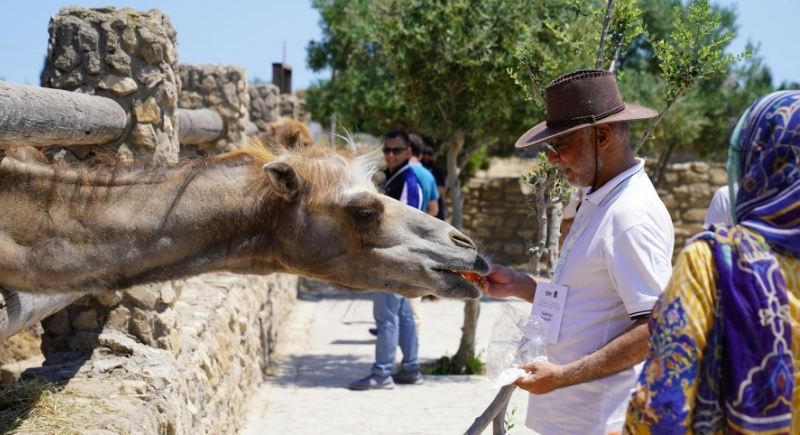
Credit: pexels
Visitors often think they are being kind by sharing sandwiches or snacks with animals. This behavior is particularly common in primate sanctuaries or near penguin colonies. One ranger noted that tourists often ignore “no entry” signs to get closer for photos or to take advantage of feeding opportunities. These interactions can lead to aggressive behavior from animals, such as a bite from a hungry monkey or a protective penguin.
Herding Stragglers Like a Substitute Teacher
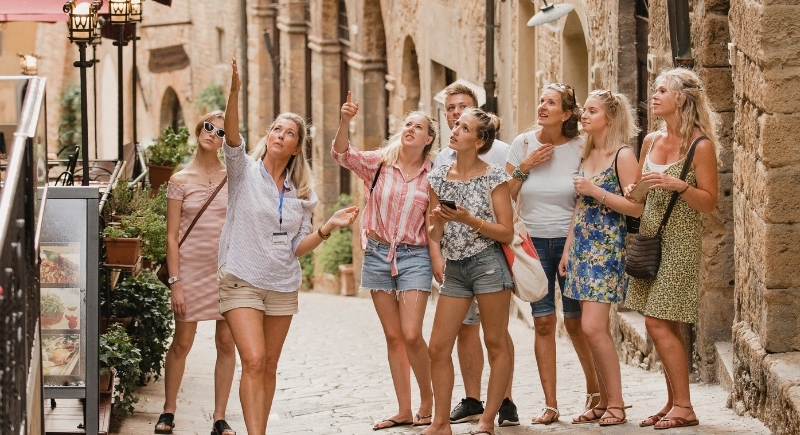
Credit: Getty Images
Certain tourists appoint themselves the unofficial group marshal, hanging back to wave people forward and loudly announce, “Come on, keep up!” to other tourists who didn’t ask for the reminder. Most professional guides already use a structured closing technique where one guide leads, and another sweeps the rear to manage group flow. So, the self-appointed wrangler can disrupt that rhythm and become a source of delay.
Simplifying Complex History
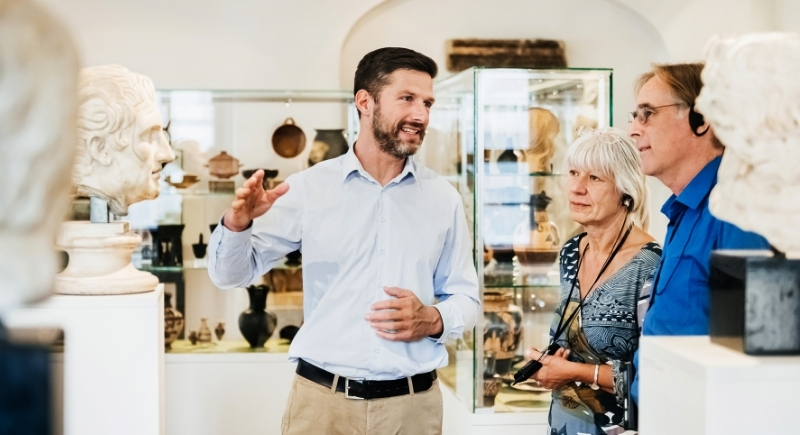
Credit: Getty Images
Guides at sensitive locations like Auschwitz or the National Cathedral often encounter people who try to “lighten the mood.” This behavior might include taking inappropriate selfies or handling delicate artifacts to show them to others. Some guests even attempt to take souvenirs, like old glasses or buttons, thinking they are preserving history. Polish police occasionally detain individuals for these thefts. Respecting the somber nature of these sites is important.
Wandering Off to “Catch Up”

Credit: Canva
Getting a better photo is understandable, but drifting away from the group and jogging back mid-story with a loud apology pulls everyone’s attention. On glacier tours, wildlife reserves, or anywhere with real environmental hazards, the stakes are higher. Guides are responsible for everyone in the group, and tracking down someone who wandered off can hold up the entire tour while the rest of the group waits.
Providing Fashion Advice

Credit: iStockphoto
Guiding a group through a thick forest or a whitewater rapid requires specific gear. Some guests think they know better and choose style over safety. One woman on a jungle tour insisted on wearing shiny earrings despite being told they attract monkeys. Predictably, the local primates snatched the jewelry right out of her ears. Following the dress code is the best way to help a guide keep the group safe.
Offering Currency Flexibility
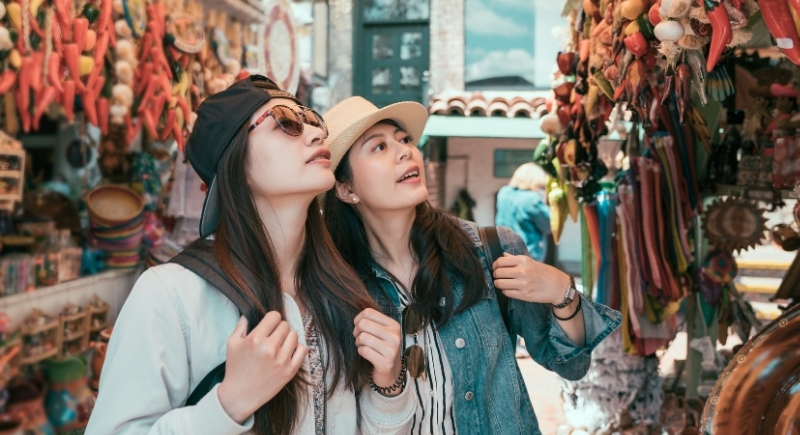
Credit: Canva
International travelers sometimes try to “help” local shopkeepers by insisting on paying with US dollars in countries that use the Euro. They argue that “good American money” is a universal favor. This forces guides to act as awkward mediators between stubborn tourists and frustrated clerks. Most businesses have strict policies and cannot accept foreign cash. The most helpful thing a visitor can do is use a currency exchange kiosk beforehand.
Loudly Defending the Guide to Other Tourists
Credit: iStockphoto
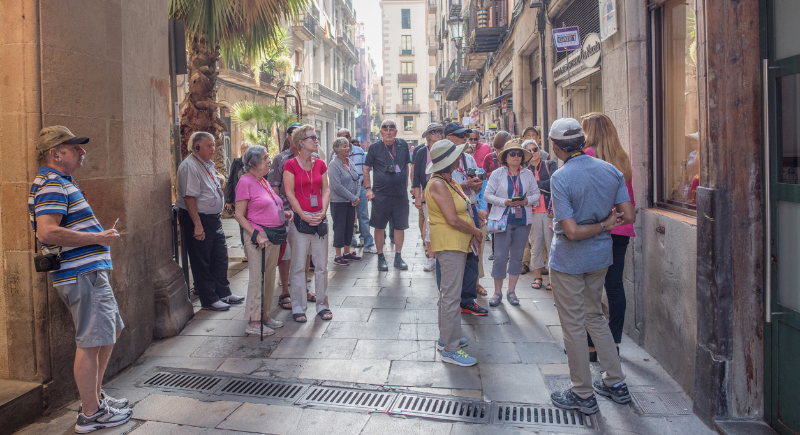
Guides are trained in crowd management, and when a fellow tourist steps in to loudly police someone who’s talking over the guide or ignoring the rules, the situation tends to escalate rather than resolve. The minor disruption becomes a full confrontation, and the guide now has to manage two problems instead of one.