Popular Travel Hacks That Don’t Work Anymore
Some travel tips used to be gold. But today, many just don’t work. Airlines have changed how they price tickets, loyalty programs have tightened rules, and hotel policies are more complex. What once saved money or earned perks might now do the opposite.
Social media and travel forums still spread these outdated ideas, which makes it easy to follow advice that’s no longer useful. If you’re planning a trip soon, it’s worth rethinking what you think you know.
Airfare Isn’t Cheaper on Tuesdays

Credit: Getty Images
The idea that Tuesday afternoons unlock cheaper fares is mostly folklore. Airlines use dynamic pricing that updates constantly based on demand and inventory, not the day of the week. Google Flights and Hopper both found no consistent savings tied to Tuesday searches.
Private Browsing Doesn’t Lower Fares

Credit: Getty Images
Using private mode doesn’t influence airfare. Despite widespread belief, clearing your cache won’t yield better deals. Reliable fare tracking tools do a far better job of flagging price drops and patterns that matter. Prices change due to seat availability and real-time booking, not your cookie history.
Dressing Up Won’t Get You Upgraded
Credit: Getty Images
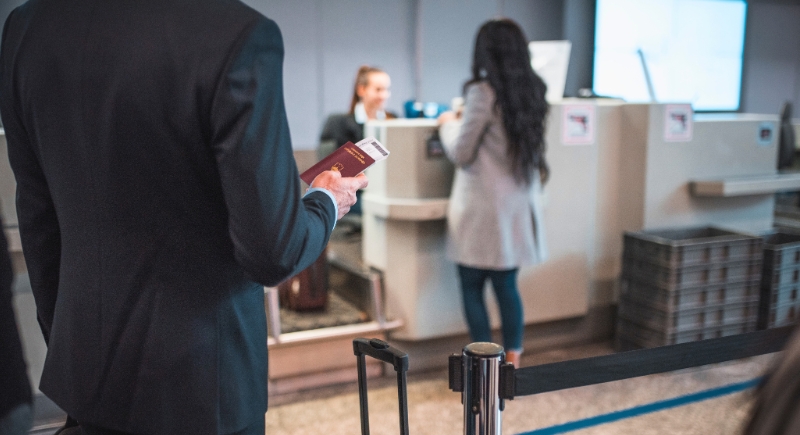
A suit or heels won’t move you up to first class. Airlines prioritize elite status, not outfits, and most upgrades happen automatically behind the scenes. Gate agents don’t choose favorites based on fashion, and manual upgrades have become rare as loyalty programs tighten their systems.
Short Layovers Lead to Missed Flights

Credit: Getty Images
Choosing a flight with a tight layover may save money upfront, but it often increases the risk of delays and missed connections. Airports vary in size and security procedures. Some international connections require rechecking bags or clearing customs. A 45-minute layover in one airport may not be enough in another.
Hotel Safes Aren’t Always Secure

Credit: Canva
They may feel reassuring, but many hotel safes are locked with default codes or easy-to-bypass overrides. Videos showing how to open them circulate widely among tech-savvy thieves. For higher-value items, using front-desk security boxes or simply carrying them remains a safer option.
Nonrefundable Rooms Limit Flexibility

Credit: iStockphoto
Booking a prepaid, nonrefundable hotel room might save a few dollars, but it locks you into plans that could shift. Illness, weather, or airline issues can quickly make that reservation a loss. Many hotels now offer flexible rates with minimal price differences and more peace of mind.
Free Wi-Fi Can Expose Your Data

Credit: pexels
Public networks at airports and cafés are common targets for cyberattacks. Hackers create fake hotspots with names that resemble official ones and trick travelers into connecting. The Federal Trade Commission and cybersecurity experts advise using VPNs and avoiding personal logins on unsecured networks.
Off-Season Travel Isn’t Always a Bargain

Credit: Getty Images
Going off-peak can stretch your budget, but it may also shrink your options. Some attractions close altogether during low months. Resorts reduce staff, tour operators scale back, and unpredictable weather can limit what’s available.
Buying Airline Miles Rarely Pays Off

Credit: iStockphoto
Buying frequent flyer miles rarely turns out to be a bargain. The cost per mile often exceeds the value you receive in return, especially with blackout dates and changes to redemption requirements. Most experts agree that flying or using credit card bonuses is a more efficient and less frustrating way to collect miles.
Hidden-City Ticketing Risks Penalties
Credit: Canva
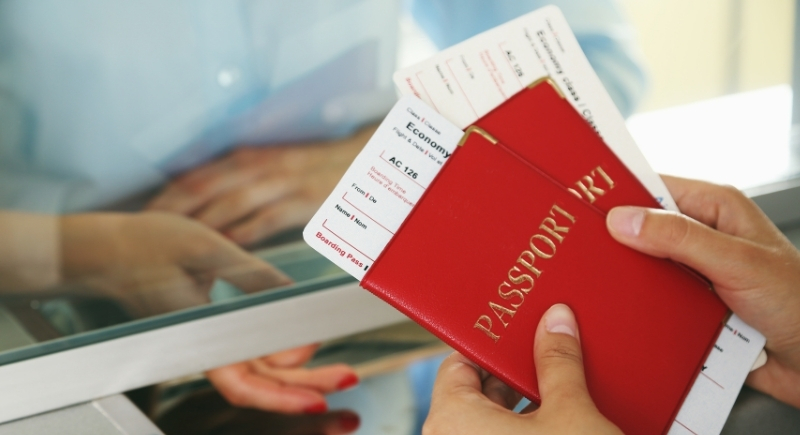
Known as skiplagging, this tactic involves booking a longer route and disembarking early. While it can shave some dollars, airlines don’t like it. They’ve canceled tickets, suspended loyalty accounts, and even banned passengers for repeated use. Plus, it only works if you don’t check bags.