America’s Most Dangerous Beach Towns
Most beach towns promise sun and calm water, but some hide risks beneath the surface. Strong rip currents, fast-changing weather, and active marine life can turn a swim into something serious. These hazards don’t always make headlines, but they are evident in news data, such as drownings, rescues, and shark reports.
This list examines the U.S. beach towns where the risk is highest, based on shark activity, surf zone fatalities, and natural features that make the water less forgiving.
New Smyrna Beach, Florida
Credit: Getty Images
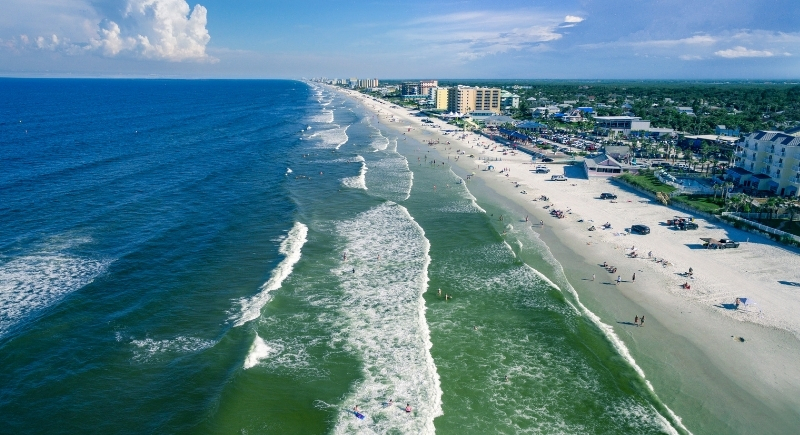
This small town tops every chart for shark encounters, with over 300 attacks since recordkeeping began. It also sees high surf-zone fatalities and hurricane exposure. The sheer number of swimmers and surfers in the water (often hundreds per day) drives up the chances of unwanted shark encounters, especially near baitfish-rich inlets.
Laguna Beach, Florida (Panhandle)
Credit: Reddit
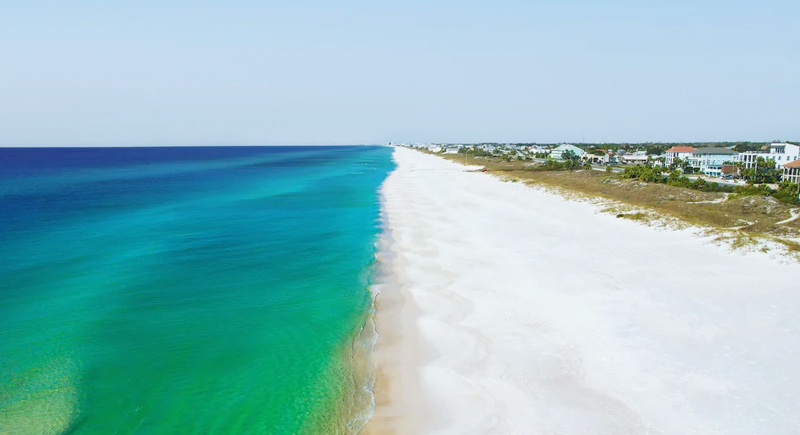
Not to be confused with its California namesake, this beach near Panama City has led the nation in surf-related deaths. The surf looks manageable, but it often isn’t, as it can pull people under even when conditions appear calm.
Daytona Beach, Florida

Credit: Wikimedia Commons
Daytona’s vast beaches and race-week crowds make it a magnet for swimmers, but its surf zone tells a different story. Approximately 67 shark attacks and dozens of drowning deaths suggest more than just bad luck. Currents run deceptively strong here, and rescue crews stay busy throughout the year.
Indialantic Boardwalk, Florida
Credit: Yelp
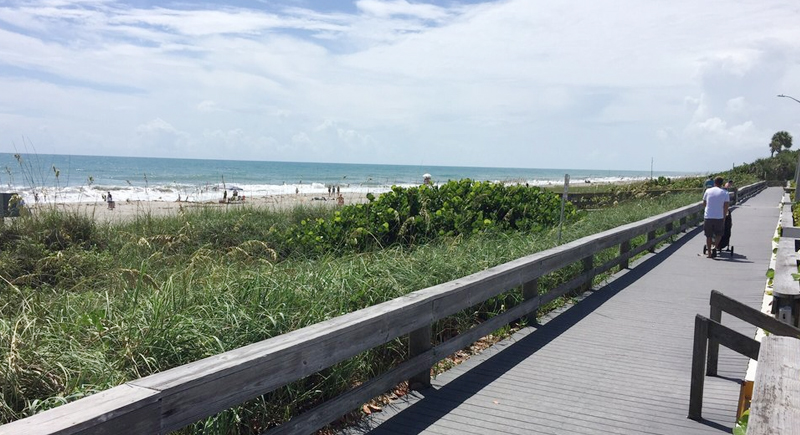
Indialantic’s rough surf is a draw for experienced surfers, but the same 8-foot swells have caused nine surf-zone deaths. Combined with 30 shark attacks, the water here carries multiple threats. The narrow beach leaves less room for error during stormy weather, which makes wave behavior harder to predict.
Cocoa Beach, Florida
Credit: Wikimedia Commons
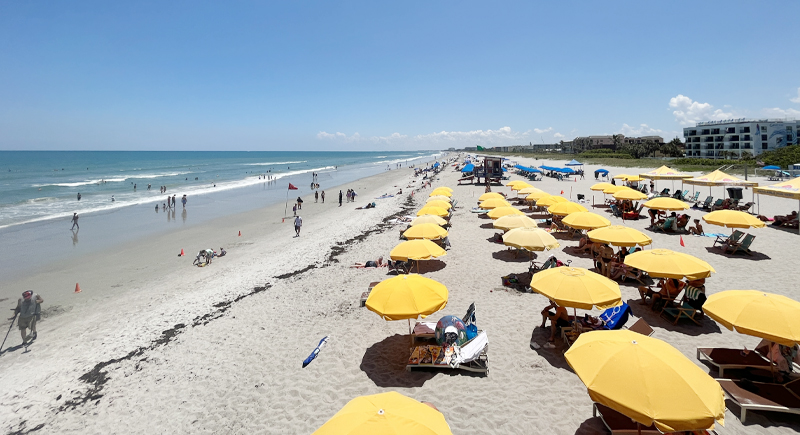
Part of Brevard County’s “Space Coast,” Cocoa Beach has tallied 39 shark attacks and seven surf fatalities. It’s also located in an area frequently hit by rip currents and lightning strikes. Its popularity with tourists means more bodies in the water, which increases the odds of incidents even under calm-looking skies.
Miami Beach, Florida
Credit: Wikimedia Commons
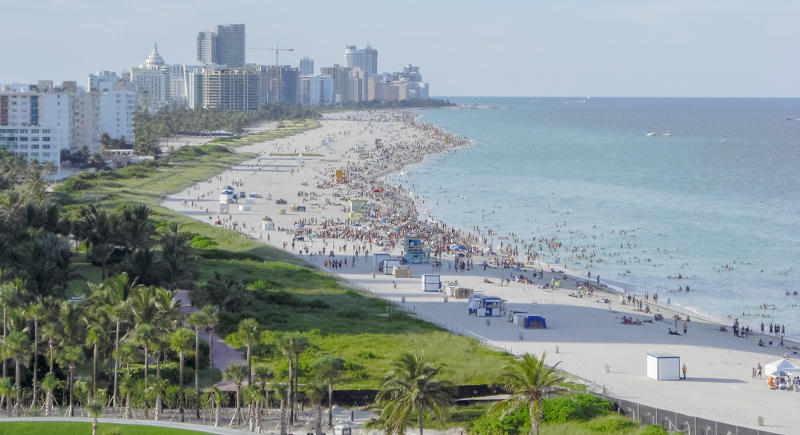
Beneath Miami Beach’s polished tourism image are measurable dangers. The area has seen 14 surf zone deaths and 17 shark attacks. While the water often appears calm, it may sometimes create unsafe conditions, especially for visitors unfamiliar with local surf behavior.
Myrtle Beach, South Carolina
Credit: Wikimedia Commons
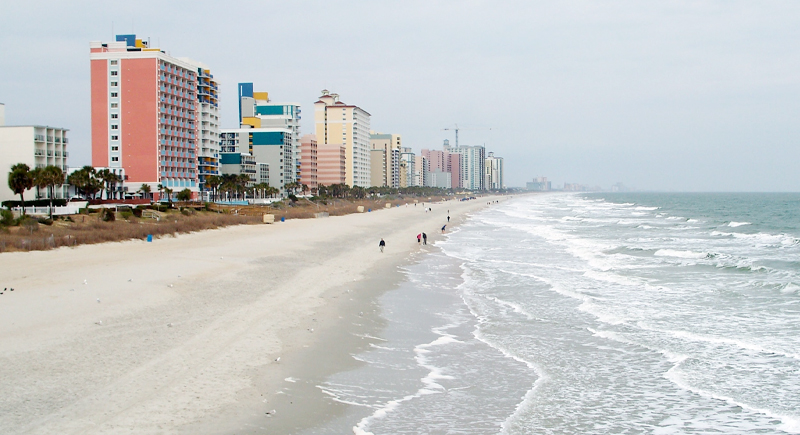
South Carolina beaches have reported over 100 shark attacks, and Myrtle Beach accounts for a good chunk of them. The long continental shelf may reduce wave power, but it doesn’t keep large sharks away. Horry County’s stats include everything from minor bites to serious injuries, primarily during peak vacation months.
Palm Beach, Florida

Credit: Wikimedia Commons
With 35 shark attacks and seven surf fatalities, Palm Beach proves that luxury zip codes aren’t immune to beach hazards. The local waters naturally attract predators close to shore. Combined with strong seasonal currents, the conditions can surprise even confident swimmers.
Ponce Inlet, Florida
Credit: Canva
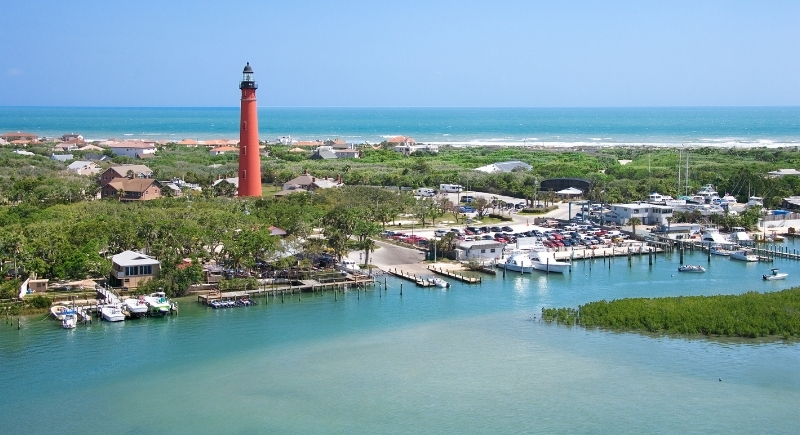
Just south of New Smyrna Beach, Ponce Inlet shares its shark-prone waters and sees similar activity around baitfish schools. Although it hasn’t seen the same number of attacks, the proximity to one of the world’s shark hotspots makes it a high-risk area by association.
Jacksonville Beach, Florida
Credit: Wikimedia Commons
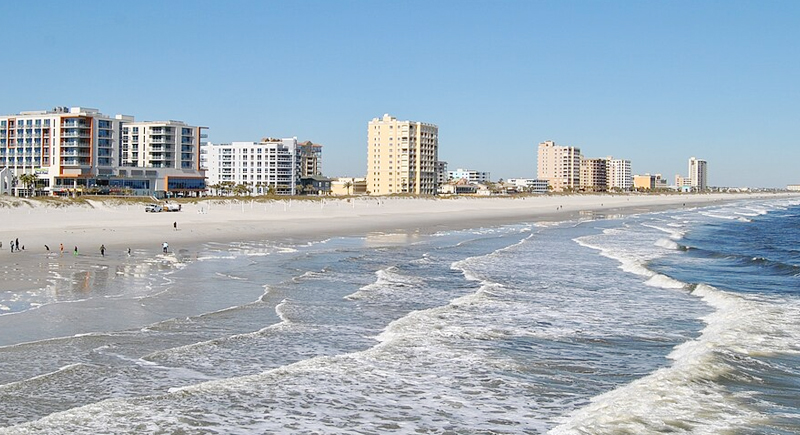
Though lower in shark attacks than other entries, Jacksonville Beach presents a broader mix of hazards. Strong waves and hurricane vulnerability shape its risk profile. The vast, open shoreline and rapidly changing conditions can disorient even experienced swimmers.