Most people board a flight thinking about delays, snacks, or whether they downloaded something to watch. Very few think about germs or sun exposure once they settle into their seat. That is why ER doctor Dr. Anita Patel says there are two things she never ignores on a plane, no matter how short the flight is. One involves the tray table sitting inches away from your food and phone. The other comes from the sunlight pouring through airplane windows for hours at a time.
Both seem harmless at first, which is probably why so many travelers overlook them. But doctors say airplane surfaces can carry far more bacteria than people expect, while long hours near a sunny window can increase UV exposure. Her advice is simple, practical, and easy to follow before your next flight.
Don’t Use The Tray Table Until It’s Clean
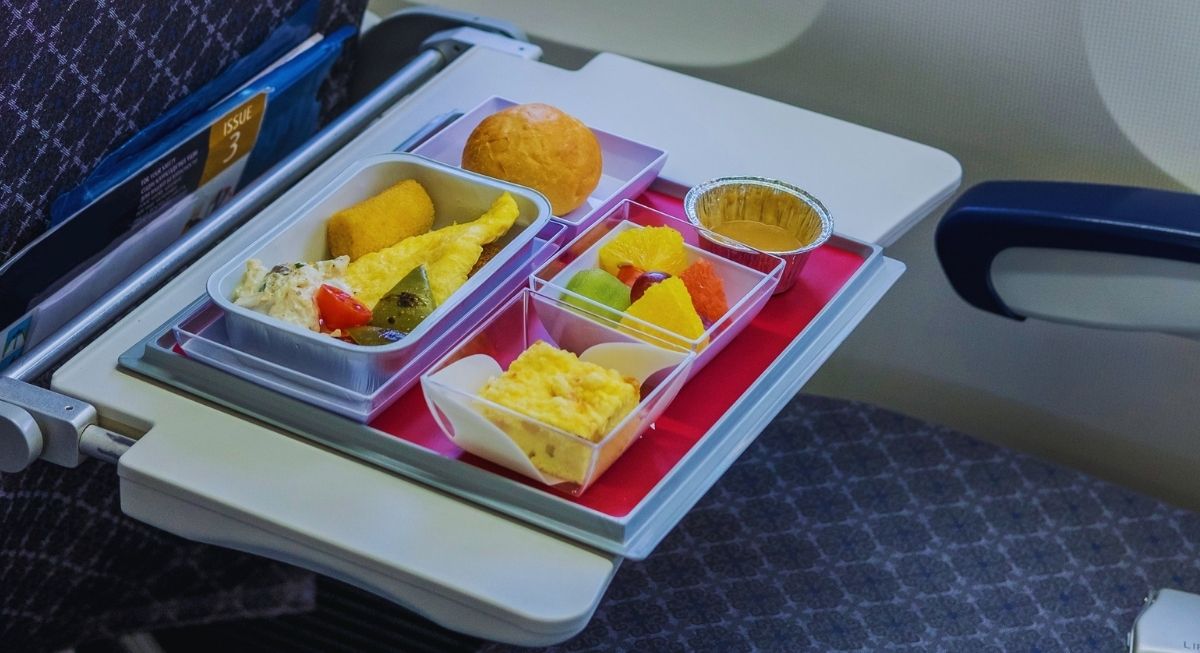
Image via Getty Images/Aureliy
The tray table might be the most underestimated object on the plane. It holds laptops, drinks, elbows, snack wrappers, toys, tissues, and whatever else passengers decide to put there during a packed travel day. Then the next person sits down, flips it open, and places a sandwich on it like it just came out of a dishwasher.
Patel says she wipes down the tray table right after sitting down, and that habit makes sense. Airplane cabins get cleaned, but crews deal with tight turnarounds. A deep scrub of every tray table, latch, screen, armrest, and seat area between every flight is not always realistic.
That does not mean the cabin is a flying health hazard. It does mean that high-touch surfaces deserve a quick reset before food, hands, or phones come into contact with them. Disinfecting the tray table, the latch, the armrests, and the screen takes less than a minute. Hand sanitizer before eating adds another layer of common sense.
The biggest issue is not the idea of “plane germs” as a scary mystery. It is the combination of many hands, limited cleaning time, close seating, and food. Gastrointestinal bugs can spread through contaminated hands and surfaces, and nobody wants a vacation that begins with stomach trouble before baggage claim.
Parents should pay extra attention here. Young kids touch everything, then touch their mouths, snacks, sleeves, and stuffed animals with the confidence of tiny airport inspectors. Wiping the area gives everyone a cleaner starting point without turning the flight into a medical operation.
Don’t Skip Sunscreen Near The Window
Sunscreen on a plane sounds unnecessary because the cabin feels fully indoors. There is a window, recycled air, and dim lighting, so most people never think about UV exposure during a flight.
Dr. Anita Patel says it still matters, especially for window-seat passengers on long daytime trips. At higher altitudes, less atmosphere filters radiation, and while airplane windows block much of the UVB linked to sunburn, UVA can still pass through the glass. Over time, that exposure contributes to skin aging and increases the risk of skin cancer.
Patel recommends simple habits like applying broad-spectrum sunscreen before boarding, lowering the shade during bright stretches, or wearing sunglasses and light layers near the window. She also keeps her seat belt fastened while seated for the same reason: small precautions during a flight can save you from bigger problems later.