Where Black Women Face the Biggest Economic Gaps in U.S. Cities
For Black women, economic mobility looks very different depending on where they live. The national wage gap remains wide, and many regions still struggle with historic inequities that shape income, homeownership, and long-term stability. These city snapshots reflect how opportunity shifts across the map.
Washington, D.C.

Credit: Getty Images
Washington’s large concentration of federal agencies and contractors helps push wages higher than in many metros, though the equity gap stays wide. Black women working full-time earned a median of $54,255, compared to white men’s median of $121,751. Strong institutions and steady professional roles create opportunity, but high housing costs limit wealth-building.
Augusta

Credit: Getty Images
The smaller scale of this metro gives it a closer-knit feel, with community programs working to expand professional access. Even so, statewide earnings for Black women are roughly $37,313, compared with those of white men’s $63,498. The region’s limited number of major employers means advancement often involves navigating a narrower ladder.
Boston

Credit: Canva
High salaries and world-class institutions make Boston look promising on paper, especially given Black household incomes that outpace the national median. But the region’s steep housing costs and persistent wage gaps mean Black women don’t always feel the benefit of those bigger paychecks. Access is abundant, but affordability and equity remain the sticking points.
Houston

Credit: Getty Images
The booming, diversified economy in Houston opens plenty of doors, especially in healthcare, construction, and tech. State data, however, show that Black women earn about $40,227, compared to white men at $73,398. The metro’s size brings opportunity, but the pay gap keeps many women from fully capitalizing on Houston’s rapid growth.
Charlotte

Credit: Getty Images
Banking and finance dominate Charlotte’s skyline and offer real potential for upward mobility. Diversity initiatives have grown, and more mentorship pipelines are emerging. Black women still face measurable wage and advancement gaps, and limited metro-specific data makes the picture harder to track. Progress exists, but unevenly.
Minneapolis-St. Paul

Credit: Getty Images
Corporate headquarters and extensive DEI programs give the Twin Cities a reputation for forward-looking workplaces. On the other hand, multiple public reports point to stark racial wealth and homeownership gaps. National Women’s Law Center data places Black women’s earnings far below white men’s nationally, and local indicators suggest the disparity may be even sharper here, despite the metro’s professional polish.
Los Angeles

Credit: Getty Images
While LA’s industries are varied, earning power doesn’t always stretch far. High living expenses consume much of the gains reflected in statewide wage data for Black women. The city’s opportunity is real, but turning that opportunity into long-term stability remains difficult.
New York City

Credit: Getty Images
Thriving in New York often means balancing ambition with brutal living costs. Older Comptroller data placed Black women’s median full-time earnings at about US$42,431, a number that stretches thin in a city where housing swallows entire paychecks. Opportunity is everywhere, but access and affordability rarely move in sync for those trying to advance.
Pittsburgh
Credit: Getty Images
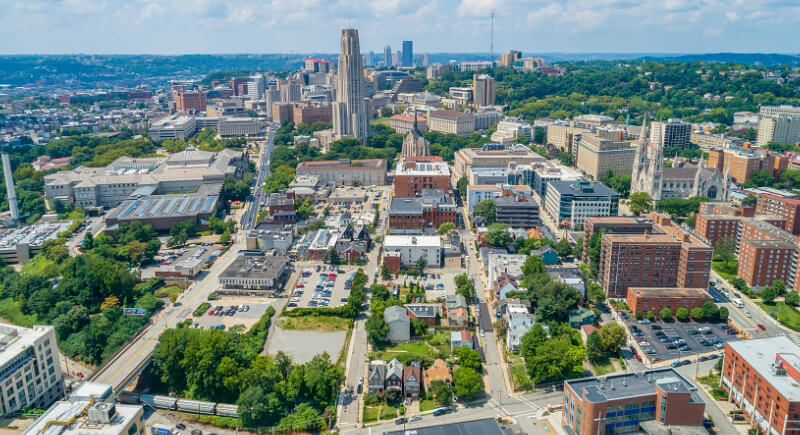
Local reports in Pittsburgh once revealed Black women earning roughly 54 cents on the dollar compared to white men. Tech and education are expanding, but beneath the optimism, structural gaps remain. Economic mobility often remains stubbornly out of reach.
Cincinnati

Credit: Getty Images
Life looks different when nearly half of working Black women in a metro earn under US$15 an hour, as a 2023 study found in Cincinnati. The wage level forces constant trade-offs and leaves little room for wealth-building. Supportive community networks help, but economic mobility starts on uneven ground from the outset.
Baltimore

Credit: Getty Images
Local workers in Baltimore benefit from nearby federal agencies and strong healthcare and education sectors, but disparities remain clear. Black women statewide earn about $52,371, while white men earn $83,081. Within the city, neighborhood-level gaps and limited access to top-paying careers continue to influence long-term financial stability.
Philadelphia

Credit: pexels
Philadelphia relies heavily on education and healthcare, fields where many Black women work, but the earnings picture still trails regional benchmarks. Homeownership gaps deepen the challenge and slow long-term stability despite steady employment. Community-driven equity programs are active, but the progress is unfolding slowly.
Detroit

Credit: Getty Images
The revival story of Detroit hasn’t fully translated into financial security for many Black women. The Economic Policy Institute noted that local Black household incomes still remain below the national Black median. Affordable housing helps, but neighborhood disinvestment and limited access to capital keep upward momentum from spreading widely.
Milwaukee
Credit: Getty Images
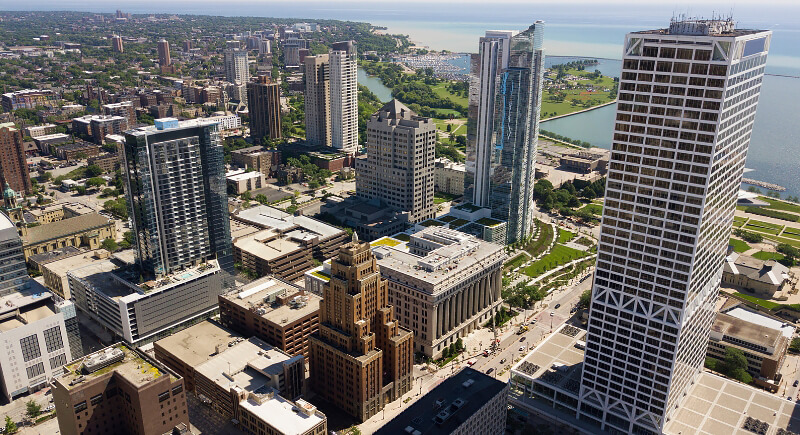
There aren’t many economic divides as sharp as in Milwaukee. Its Black-white income and homeownership gaps rank among the nation’s widest. Even with new entrepreneurship and financial-literacy initiatives aimed at Black women, the region’s structural barriers run deep. Breakthroughs often require navigating a landscape shaped by long-term segregation.
Cleveland

Credit: Canva
Cleveland’s shift toward service and healthcare work hasn’t fully translated into strong earnings for many Black women, who remain concentrated in lower-wage roles. The upside is an affordable housing market that stretches income further. Still, limited access to higher-pay pathways and slower entrepreneurship support leave mobility more constrained than in peer metros.
Dallas

Credit: Getty Images
Corporate growth and new headquarters make Dallas feel like an endless opportunity engine, but the numbers tell a different story. Black women earn about $40,227 compared with white men’s $73,398. The job market is vast, but the entry into the highest-wage sectors often requires networks that aren’t equally shared.
New Orleans

Credit: Canva
Income levels in New Orleans show how steep the climb can be: Black households average around US$42,391, far below the national Black-household median. The region’s rich cultural economy creates openings in food, arts, and hospitality, but those industries don’t always guarantee stability. Low wages and job volatility continue to shape long-term prospects.
Birmingham

Credit: pexels
Across the Birmingham metro, Black women still confront some of Alabama’s steepest economic gaps. Job growth in healthcare and education provides a reliable footing, and mentorship circles are becoming more visible. Even with these supports, advancement into higher-pay roles remains tightly bottlenecked, and long-standing hurdles in business access slow the path toward lasting financial stability.
Miami

Credit: Getty Images
Life in Miami brings energy and global influence, but the city’s heavy dependence on tourism and service work often keeps wages from rising in step with its cost of living. Black women exploring creative or entrepreneurial ventures do find openings, but building real security requires moving through a job market where high expenses outpace most earnings.
Atlanta

Credit: Getty Images
Energy and ambition run deep in Atlanta, supported by HBCUs, Black-owned businesses, and a strong middle-class presence. Still, statewide data show that Black women earn roughly $37,313, compared to white men’s $63,498. Plenty of opportunities exist, but the transition into higher-paying roles remains uneven despite the city’s reputation for mobility.