10 Bone-Chilling Islands Where Reality Is More Terrifying Than Fiction
Horror films overdo the scary island trope with eerie soundtracks, but the most frightening places on Earth are real locations that unsettle visitors even without special effects. These shores might look inviting, but they hide toxic history, dangerous wildlife, or active volcanic threats. Simply knowing these places exist on ordinary maps may not frighten the average traveler. So, read on to find out exactly why you should stay away.
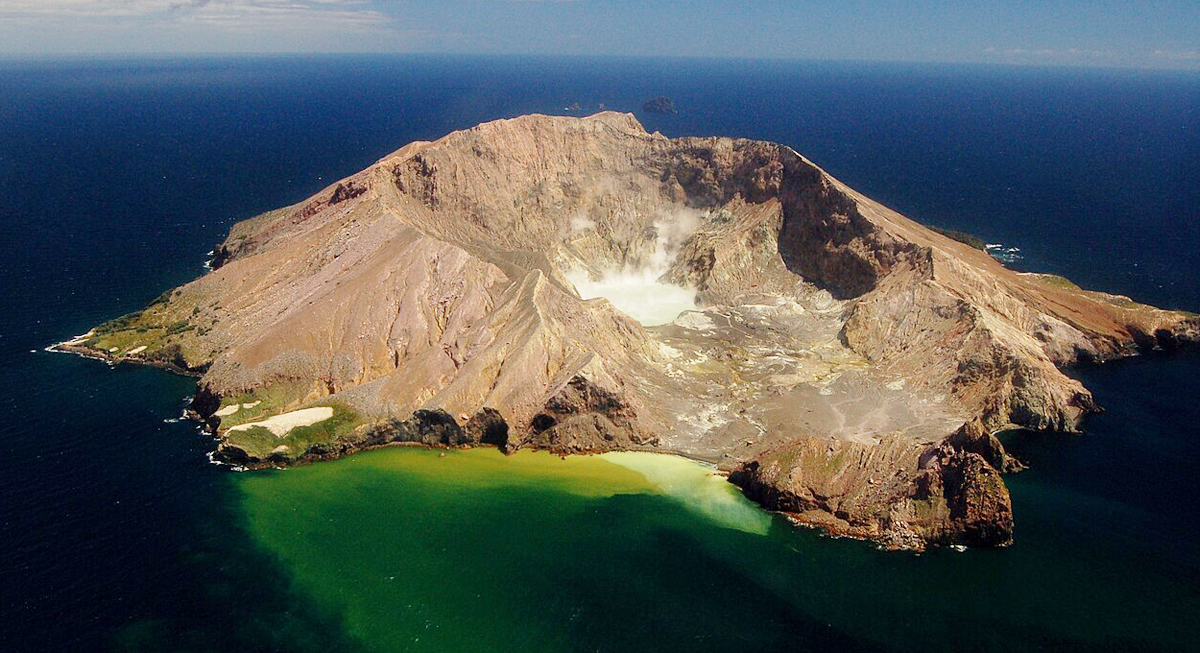
Whakaari / White Island, New Zealand
Credit: Wikimedia Commons
A volcano can be lethal. Whakaari showed this in 2019, after an eruption killed 22 people during island tours. The open crater looks like a jagged scar in the ocean, but officials warn of flying rocks, toxic gas, and sudden landslides. Things can go from quiet to dangerous in seconds.
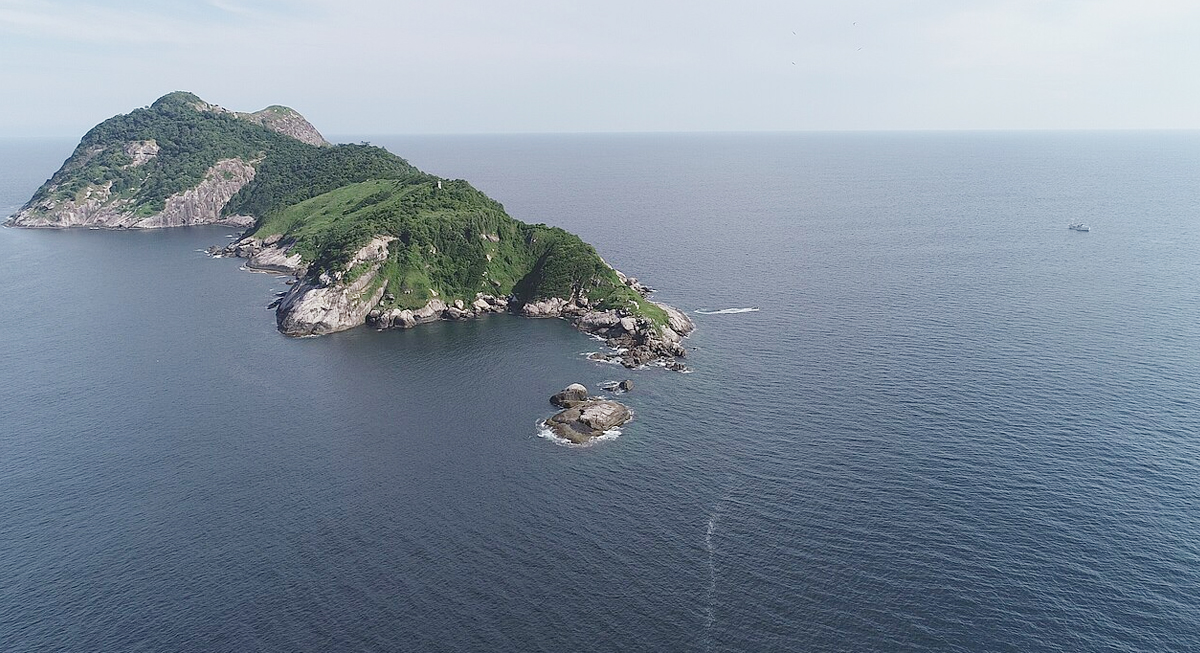
Ilha Da Queimada Grande, Brazil
Credit: Wikimedia Commons
Snake Island may sound like a cheap horror title, but the reality is far more ominous. Ilha da Queimada Grande is the only home of the golden lancehead viper. Because of these venomous residents, entry is limited to the Brazilian Navy and specific researchers. Public access is banned for safety.
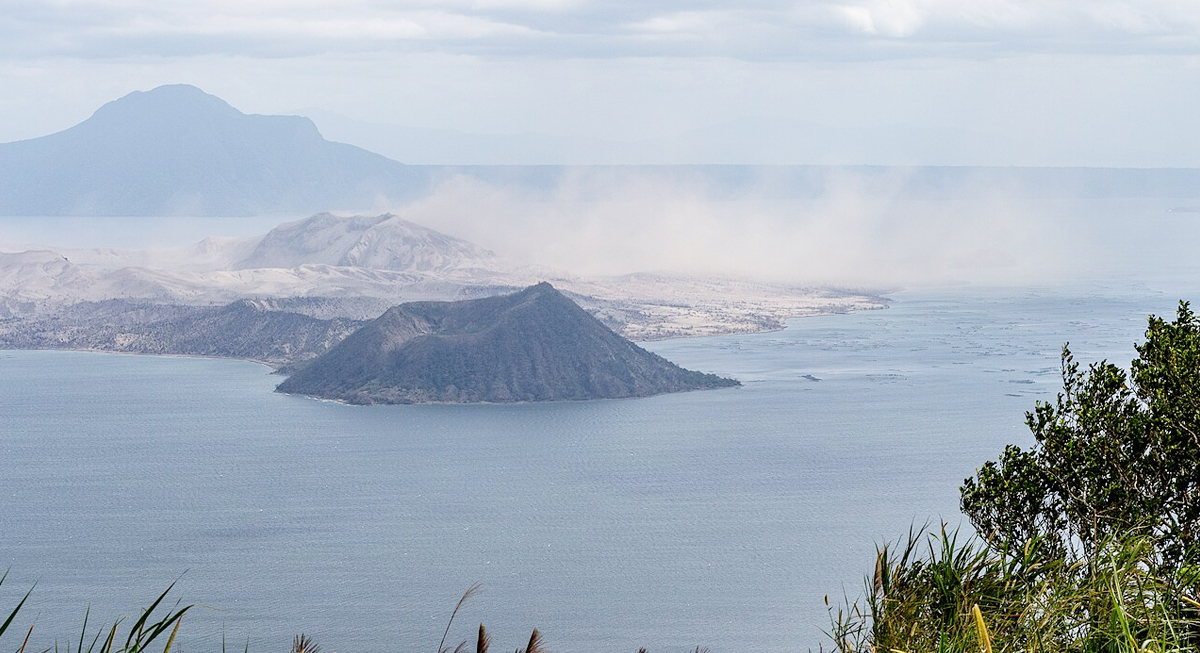
Taal Volcano Island, Philippines
Credit: Wikimedia Commons
PHIVOLCS classifies Taal Volcano Island as a Permanent Danger Zone, a label that should dampen any travel-blog optimism. The landscape appears serene because the volcano rests within a lake, but this stillness is deceptive. Authorities ban people from living there as scientists still consider the ground far too hazardous for daily existence.
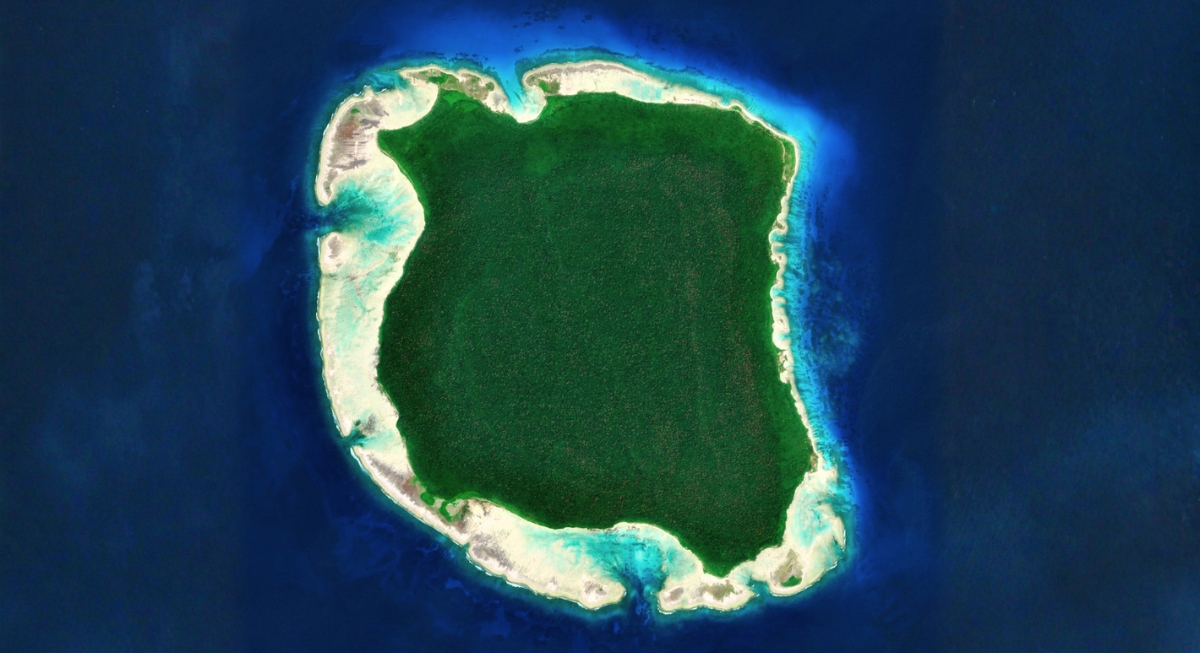
North Sentinel Island, India
Credit: Wikimedia Commons
Indian law strictly restricts access to the North Sentinel island to protect the Sentinelese, a group living in total isolation. Landing there poses a danger to travelers and introduces deadly diseases to the local population. So, respect the rules and don’t consider the island a challenge or a mystery to solve.
Anak Krakatau, Indonesia
Credit: Wikimedia Commons
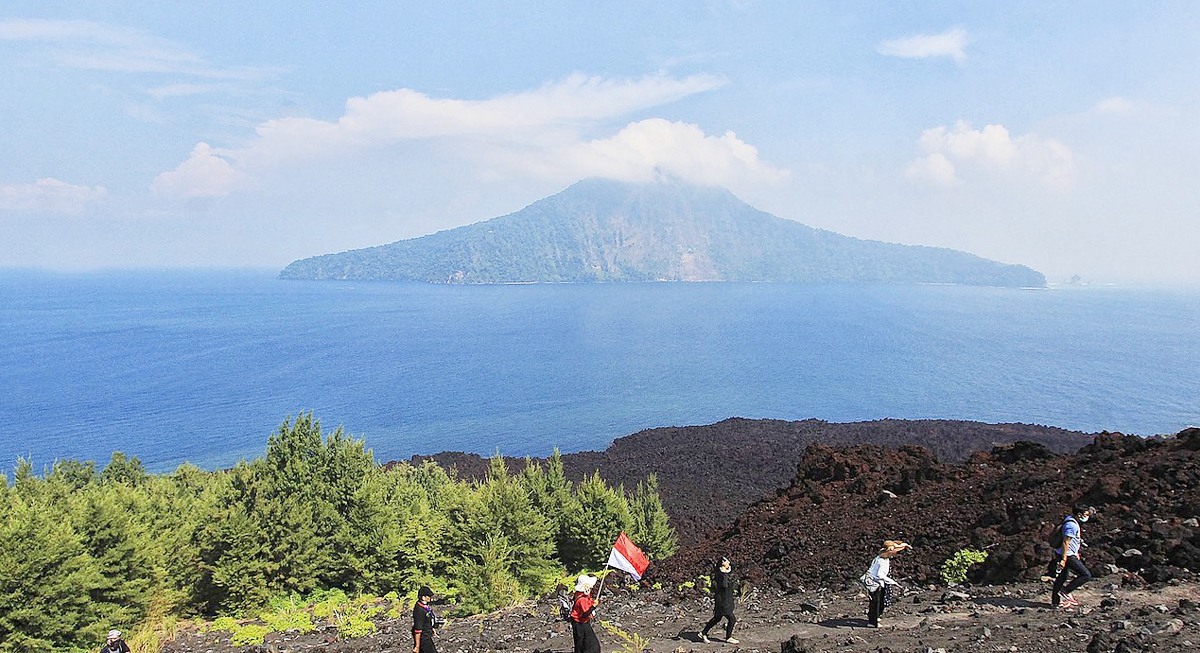
Anak Krakatau showed that its reach extends far beyond its shores in 2018 when a partial collapse triggered a deadly tsunami in the Sunda Strait. Now, we know a simple eruption is not the only risk. You don’t have to be anywhere near the crater to face danger. When the mountain shifts, the ocean rises and sends a disaster racing toward distant land.
Heard Island, Australia
Credit: Wikimedia Commons
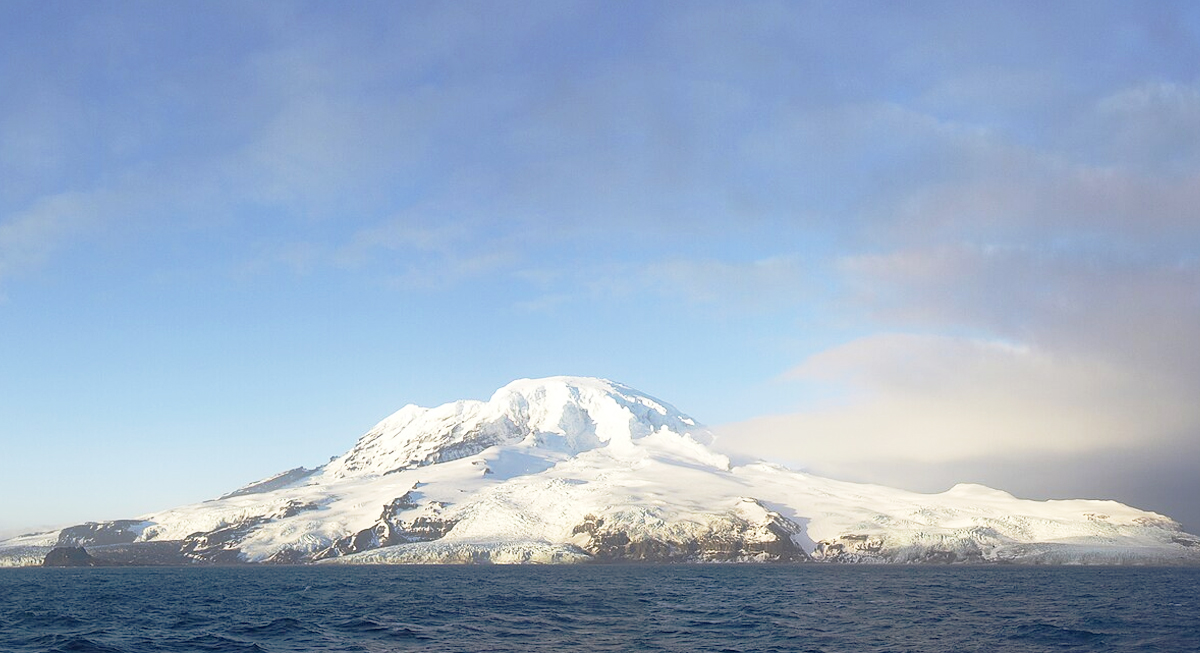
This is a scary place to be because there’s no help nearby. Heard Island is a remote Australian territory in the southern Indian Ocean, with harsh weather, frozen terrain, and an active volcano. In this remote wilderness, the sheer isolation transforms ordinary problems like a twisted ankle, damaged boat, or sudden weather change into life-threatening situations. Little wonder nobody lives there.
Komodo Island, Indonesia
Credit: Wikimedia Commons
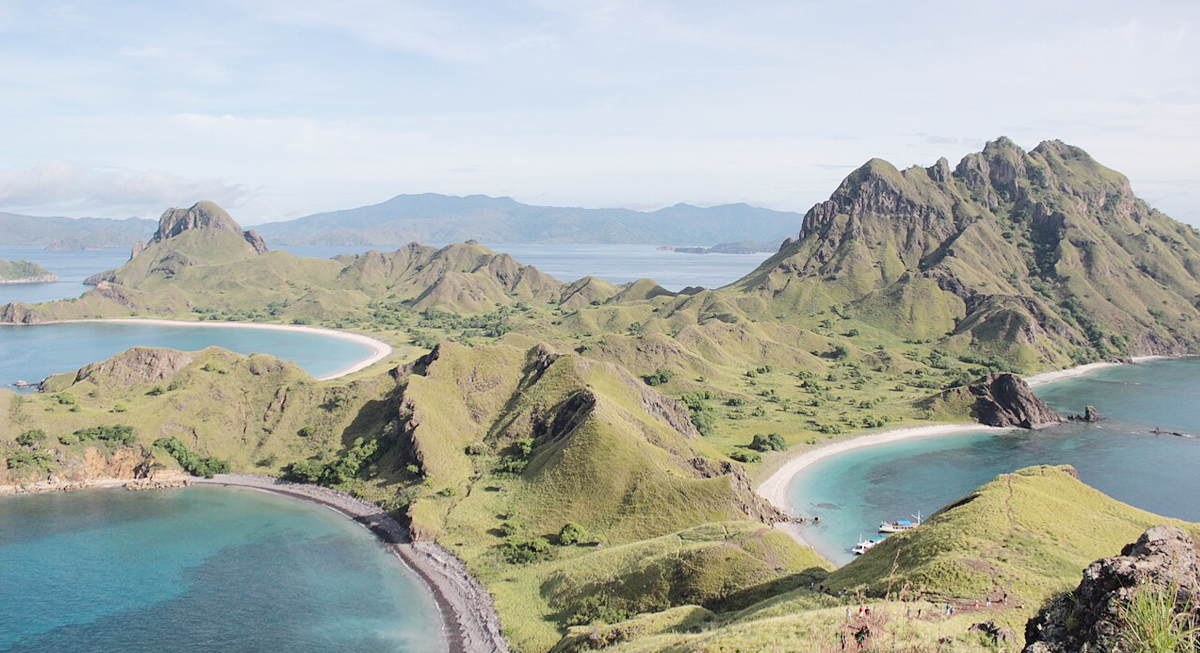
Komodo Island accepts visitors, and a part of the welcome party has sharp teeth. Komodo dragons roam parts of the island and visitor areas, so expert guides are essential for safety. These predators possess incredible speed and power. So, while the island looks like a peaceful vacation spot, travelers soon learn that the animals are not to be messed with.
Bikini Atoll, Marshall Islands
Credit: Wikimedia Commons
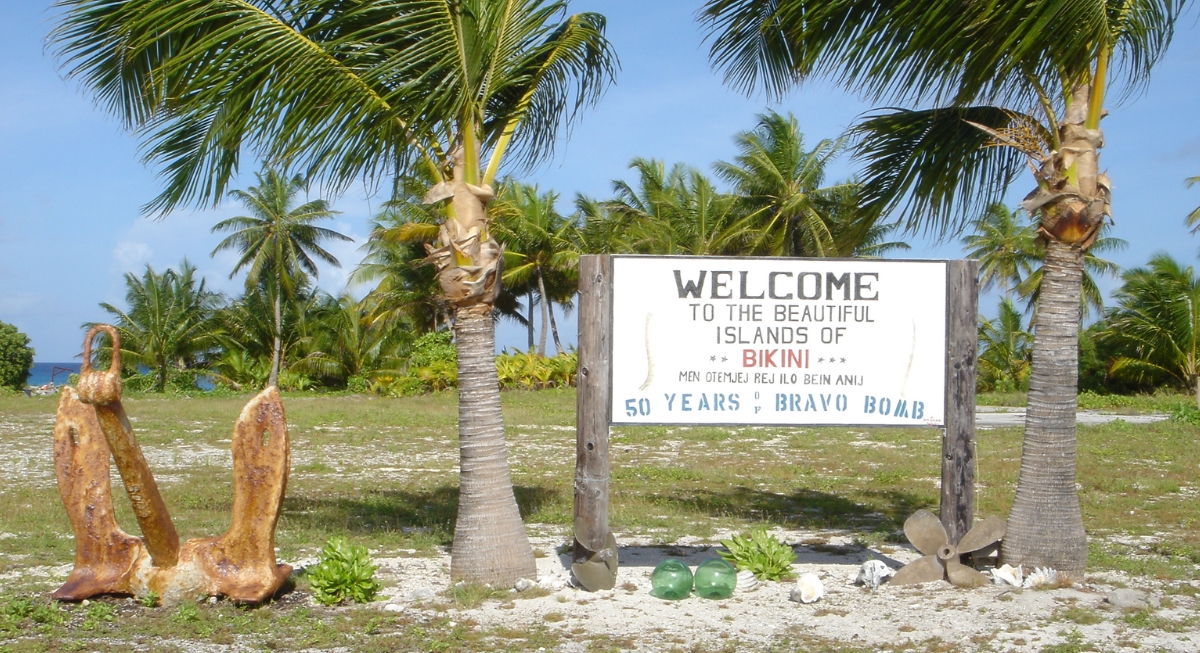
While the lagoon appears stunning, the area around Bikini Atoll carries the legacy of U.S. nuclear testing in the 20th century. Lingering radiation has made moving back a complex and difficult challenge for local communities.
Montserrat’s Exclusion Zone, Montserrat
Credit: Wikimedia Commons
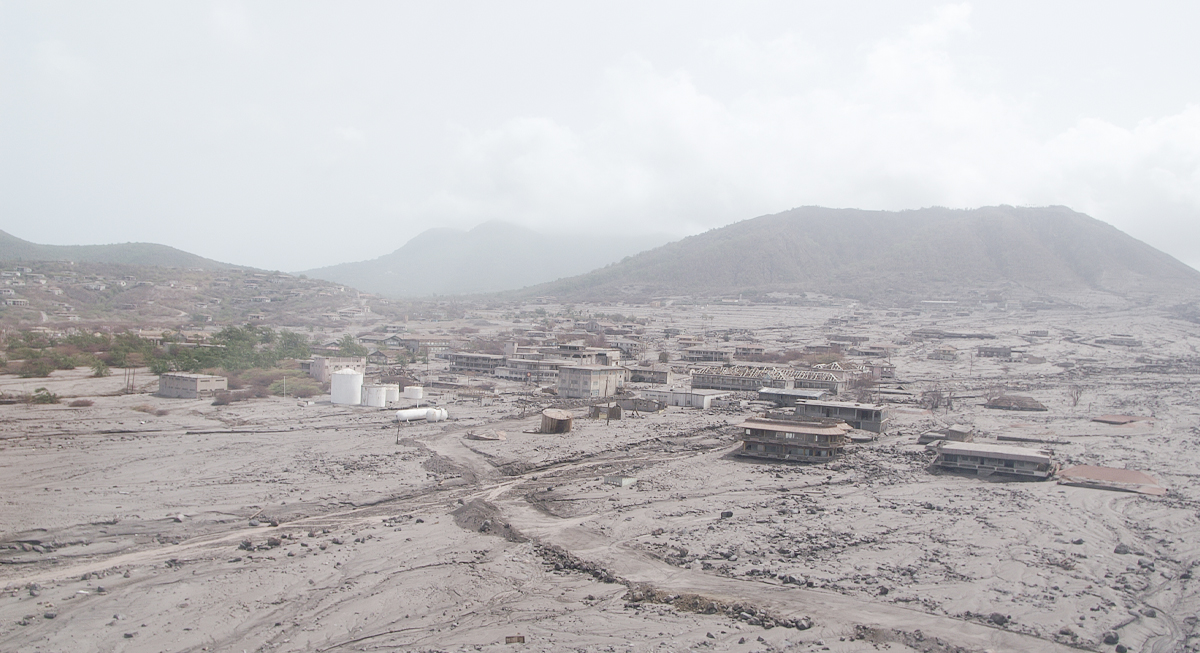
In the 1990s, the Soufrière Hills volcano erupted and buried Plymouth, the seat of government in Montserrat. Much of the city is inside a restricted zone today. Ash covers the old streets and buildings, hiding the past from view. This site is a haunting reminder of nature’s power.
Bouvet Island, Norway
Credit: Wikimedia Commons
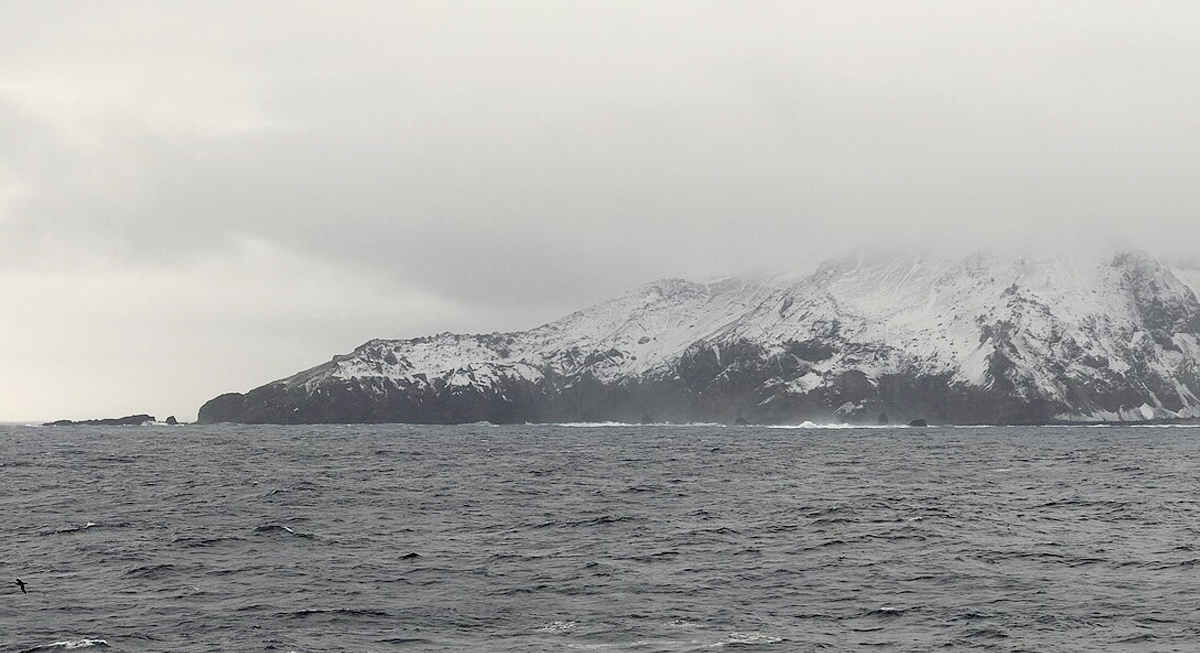
Bouvet Island would be the perfect setting for a thriller movie where rescue never arrives. This remote Norwegian territory in the South Atlantic stays mostly hidden under thick glaciers. It is a protected location that remains incredibly difficult to reach, so travelers who encounter trouble in this frozen, isolated landscape are truly on their own. That is the danger.