Countries That Are Hardest to Get a Visa For
Planning a trip is exciting right up until the visa process. For most destinations, a passport, a few forms, and a processing fee will get you a visa. But a handful of countries have made entry so complicated that even seasoned travelers think twice before applying. Long wait times, government invitations, mandatory tour guides, and outright bans are part of the deal for anyone planning to visit these 10 countries.
North Korea

Credit: Wikimedia Commons
North Korea closed its borders in January 2020 and has barely cracked them open since. In February 2025, most nationalities briefly gained access to the Rason Special Economic Zone in the remote northeast before authorities shut it down. As of early 2026, Russian nationals and a few others are permitted to visit. US and South Korean passport holders remain banned. Any wider reopening will likely require a visa arranged through a state-sanctioned tour agency.
Bhutan
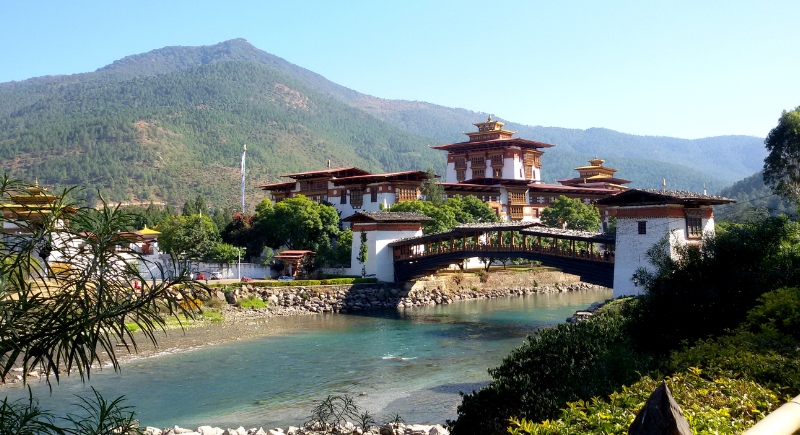
Credit: Wikimedia Commons
Bhutan has followed a controlled tourism policy since 1974 designed to limit visitor numbers and protect local culture. Most foreign travelers must meet strict requirements, including confirmed travel bookings, before receiving a visa. Visitors also pay a Sustainable Development Fee of $100 per person per night, a rate the government reduced from $200 in 2023 and fixed through 2027. Citizens of India follow a different system and pay a smaller fee.
Nauru
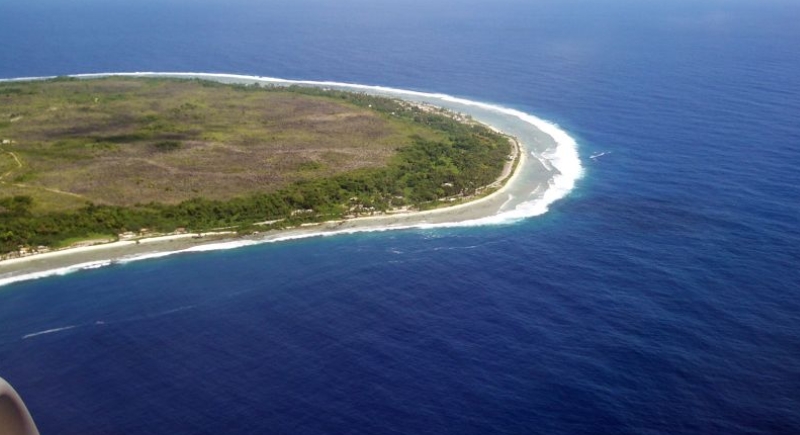
Credit: Wikimedia Commons
Reaching Nauru takes real commitment. Only Nauru Airlines flies there, and on a limited weekly service from Brisbane. The visa process is initiated via email and submitted directly to the Nauru Immigration Department before departure. Visitors generally need pre-approved visas to visit. Anyone visiting for media reasons will need to pay a non-refundable application fee of AUD$8K, approximately $5,600.
Turkmenistan
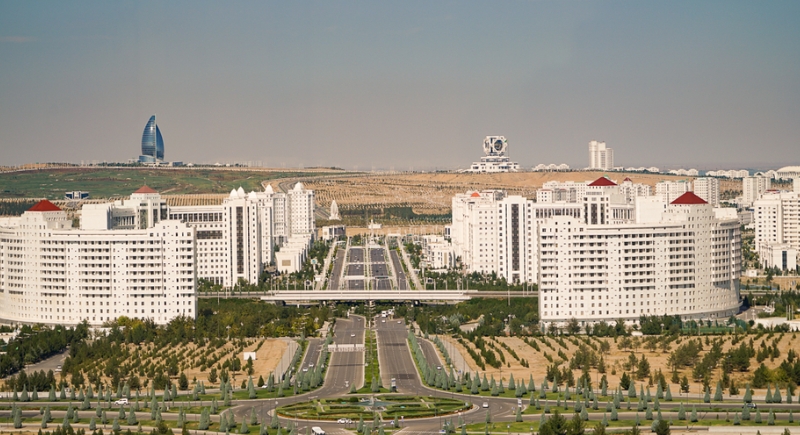
Credit: Wikimedia Commons
Getting a Turkmenistan visa requires a government-approved letter of invitation, and securing one means going through a licensed travel agency inside the country. The visa can then be collected at a Turkmen embassy or on arrival at Ashgabat Airport. Tourists must move through the country with a licensed operator or a fixed itinerary.
Saudi Arabia
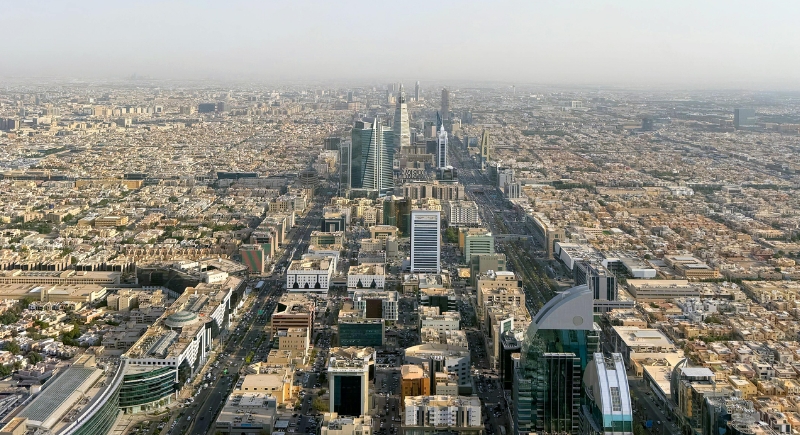
Credit: pexels
Saudi Arabia issued its first tourist visas in 2019, a major shift for a country that had restricted entry to pilgrims and business travelers. Nationals from around 63 countries can apply online for a visa or get one on arrival. The process becomes more difficult outside that group, with in-person applications and no guaranteed outcome. The country doesn’t recognize Israeli passports but occasionally grants waivers for pilgrims or special visas. In 2025, Saudi Arabia suspended the issuance of short-term visas to 14 countries.
Libya
Credit: Getty Images
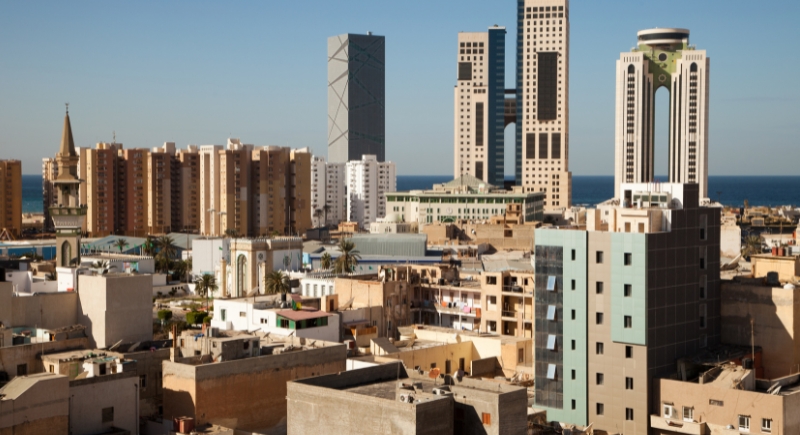
Some Arab nationals can enter Libya visa-free, with a varied stay duration depending on nationality. Beyond that group, the process gets murky. Many Libyan embassies do not process tourist visa applications, citing security concerns. Travelers who secure approval still face unpredictable entry points, since border control has changed hands repeatedly across parts of the country since 2011.
Eritrea
Credit: Getty Images
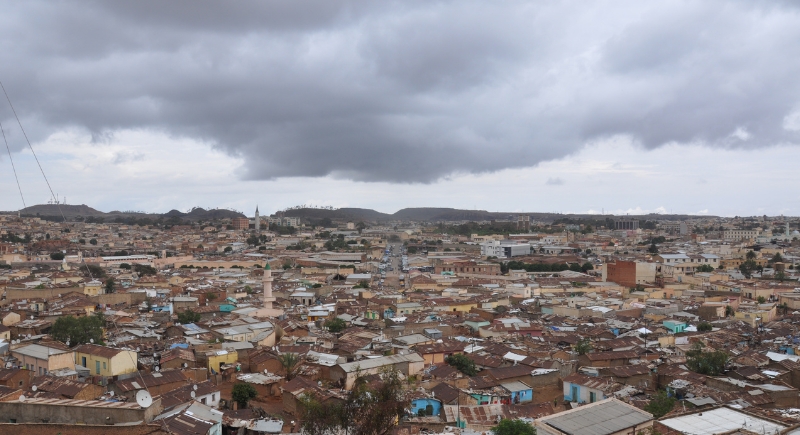
Getting a visa to Eritrea is half the problem. Once inside, much of the country is off-limits, and a separate permit is required for every destination outside the capital, Asmara. Everyone must apply through an Eritrean embassy, with standard tourist applications taking a minimum of 15 business days to process with no guaranteed result.
Somalia
Credit: Getty Images
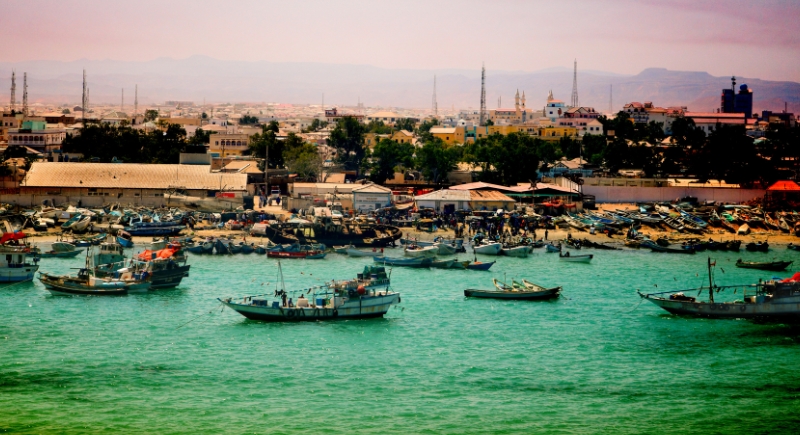
Most governments warn their citizens against traveling to Somalia, and for good reason. Decades of conflict have left governance fragmented and security unpredictable even in the capital, Mogadishu. Visitors will need an e-visa before arrival, even though enforcement varies across entry points. Somaliland, the self-declared republic in the north, issues its own visas through a completely separate system. The few visitors who do go typically hire private security firms and plan around contingencies.
Algeria

Credit: Getty Images
Before most people can apply for an Algerian tourist visa, they need to show proof of legalized accommodation/hotel documentation or a formal invitation. That alone eliminates casual applicants. Citizens of several countries also need to present proof of travel insurance at the application. Today, fewer than 10 nationalities can visit visa-free. To put things in perspective, Algeria drew just over 3.5 million tourists in 2024 despite being the largest country in Africa.
Sudan
Credit: pexels
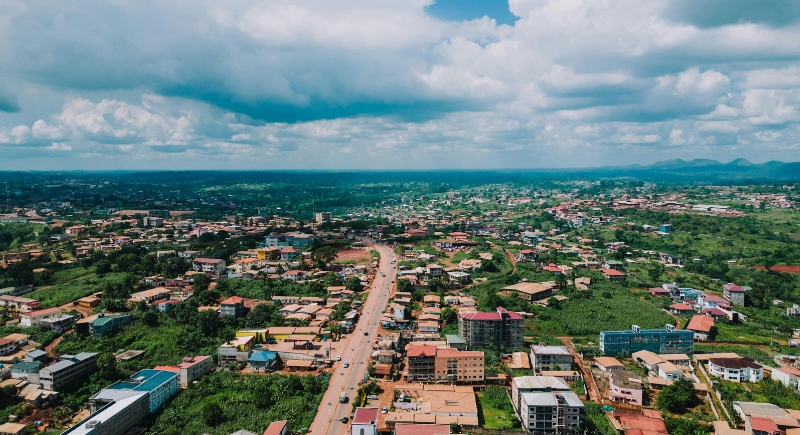
Sudan has been at war since April 2023, when fighting broke out between the Sudanese Armed Forces and the Rapid Support Forces. Today, a large portion of the country is effectively unreachable. Most nationalities must apply for a visa in advance, provide proof of accommodation or a Sudanese sponsor, and wait through an unpredictable approval process. Only a handful of neighboring African and Middle Eastern countries are exempt from this requirement.