10 Cities Where the Homeless Population Has Exploded
Last year, the United States faced some of the highest homelessness levels ever recorded, with 771,480 people counted on a single January night. Major urban areas carried over half of the country’s total, and chronic homelessness surpassed 152,000. Families with children reached 259,000, and child homelessness jumped 32%. These increases reshaped national conversations and highlighted how deeply homelessness affects diverse American communities, especially within some cities that seem to be disproportionately affected.
New York City
Credit: Getty Images
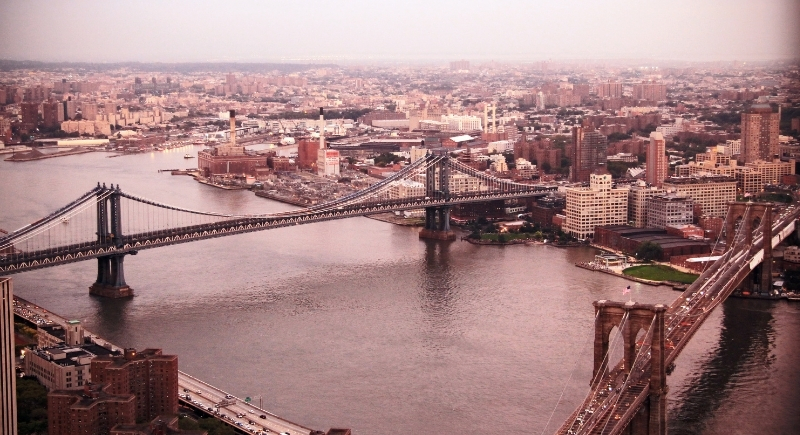
In America’s largest city, homelessness stood at 140,134 people in 2024, the highest total reported nationwide. Families with children made up a large section of the total, which matched national patterns showing more than 259,000 people in family units experiencing homelessness. The city’s enormous scale ensured it remained central in national homelessness discussions throughout the year.
Chicago
Credit: Getty Images
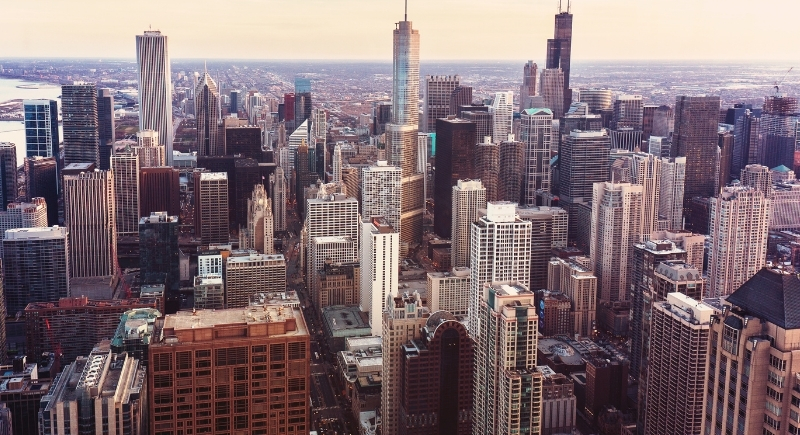
Chicago’s 2024 homelessness count reached 18,836. Local officials reported that sheltered spaces remained heavily utilized, which matched broader trends showing a 43% rise in sheltered homelessness nationwide over the past two years.
Seattle
Credit: Getty Images
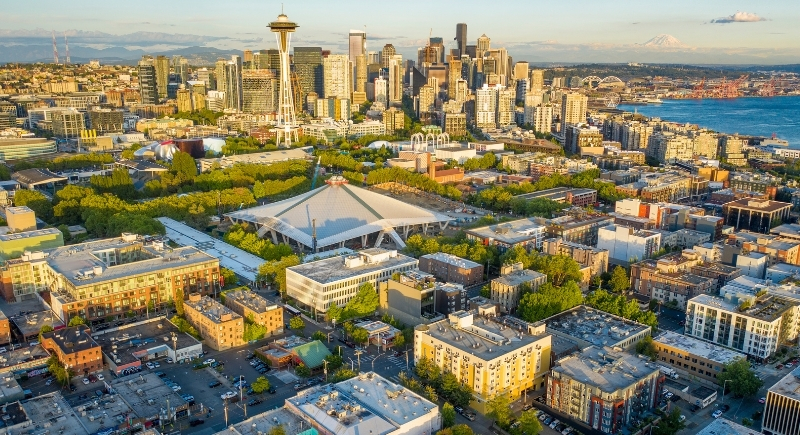
Seattle and King County appeared again among the nation’s major homelessness centers, reporting 16,868 people. Unsheltered homelessness remained a major factor in the region, with West Coast cities often showing higher unsheltered rates than colder areas. Seattle’s numbers helped place the combined totals of the top five cities at more than one-third of all U.S. homelessness.
Denver
Credit: Getty Images
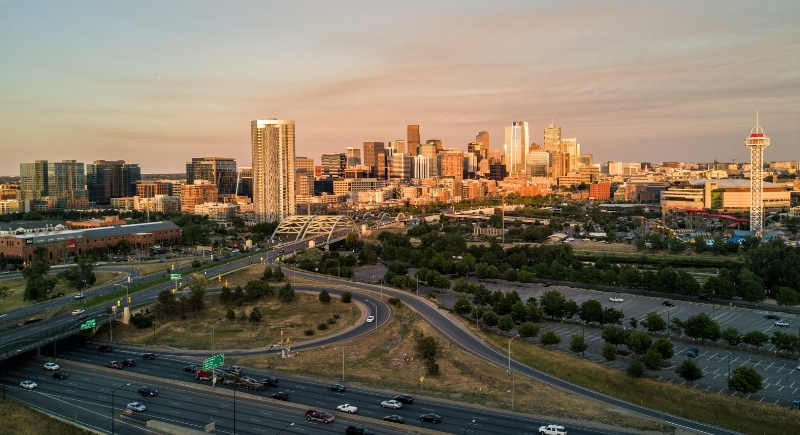
The Denver metropolitan area had 14,281 people experiencing homelessness in 2024. This mirrored national increases that followed shelters’ reopening to full capacity after pandemic restrictions. Denver’s homeless population ranked fifth largest in the country.
San Diego
Credit: Getty Images
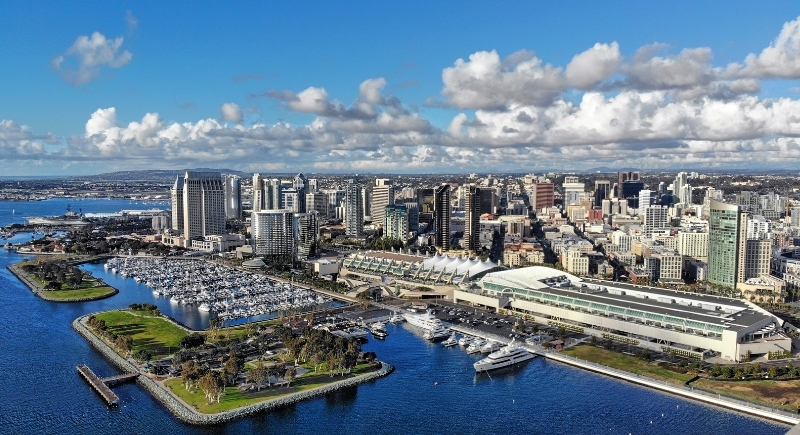
San Diego’s homelessness count reached 10,605. The city continued to face a large unsheltered population, similar to nearby metropolitan areas that are dealing with rising rents and limited shelter availability.
Oakland
Credit: Canva
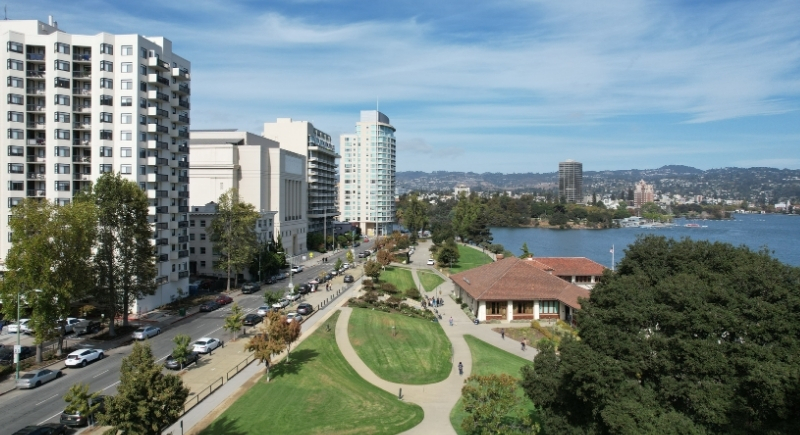
Within the Oakland, Berkeley, and Alameda County continuum, 9,450 people were counted as homeless. The tally included only sheltered individuals, which limited comparisons with earlier years. Oakland remained part of the group of California cities with some of the highest rates of unsheltered individuals in the country, with several counties exceeding 60%.
Phoenix
Credit: Wikimedia Commons
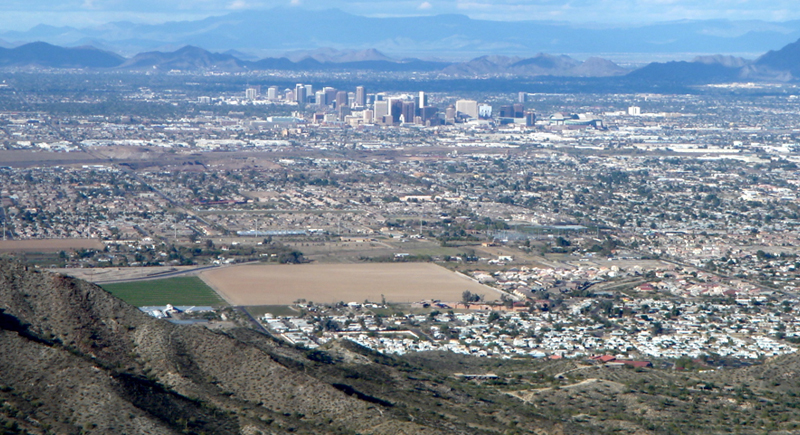
Phoenix, together with Mesa and Maricopa County, reported 9,435 people experiencing homelessness in 2024. The area’s CoC covered several fast-growing cities, which shaped how sheltered and unsheltered counts were collected. Rising rents across Maricopa County continued influencing how quickly people entered homelessness.
San Francisco
Credit: Getty Images
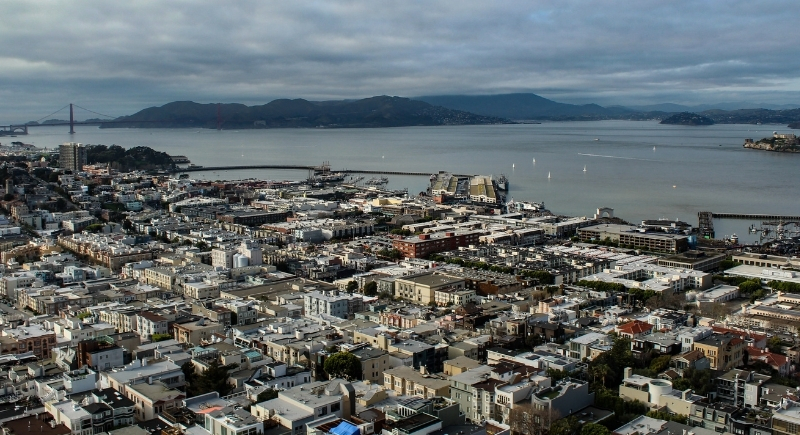
San Francisco logged 8,323 people experiencing homelessness. Persistent housing shortages and economic pressures continue to influence the city’s homelessness landscape. It continued to appear near the top of national rankings as housing pressures intensified across the Bay Area. Downtown vacancies and shifting work patterns shaped the environment around the crisis.
Las Vegas

Credit: Wikimedia Commons
Las Vegas and Clark County documented 7,906 individuals experiencing homelessness in 2024. The city ranked just outside the top 10 nationally and remained one of the most impacted areas outside California. Clark County continues to struggle with high unsheltered homelessness, shaped by regional housing costs and service limitations. Among non-California metropolitan areas, it remains one of the largest homelessness continuums in the United States.