How a New Generation of Travelers is Revolutionizing the Future of Cruising
Hearing the word cruising has always meant one thing: it is built for older people. That image does not hold anymore thanks to TikTok and other platforms. They have started showing a very different side of life at sea: younger travelers at rooftop bars, late-night parties, cabaret shows, and modern adults-only ships. Travelers in their 20s and 30s post room tours that look closer to boutique hotels than old-school cruise cabins.
Cruise Lines International Association data shows that millennials accounted for 22 percent of global cruise passengers in 2023, while Gen Z accounted for 14 percent. Another CLIA report notes that the average age of a cruise passenger in North America has dropped to the mid-40s. Cruise lines have been adapting to this shift by redesigning ships and onboard experiences to better suit younger travelers who want more variety, flexibility, and entertainment.
Cruise Lines Stopped Selling Tradition
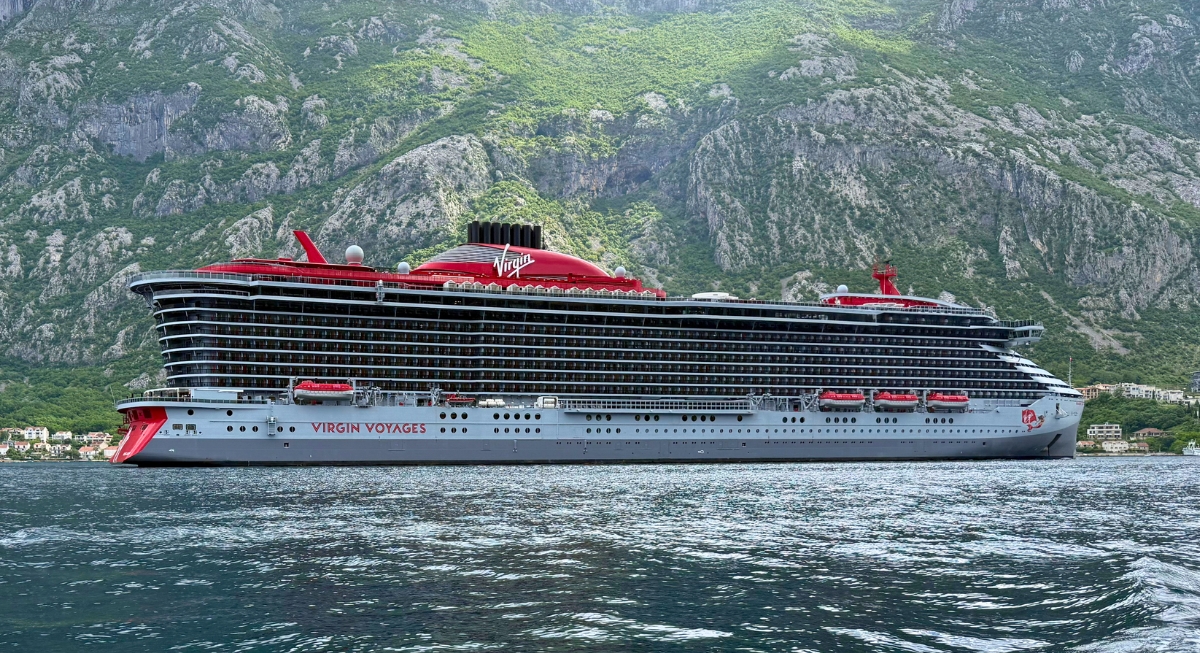
Image via Wikimedia Commons/BloodNinjasPinwheel
One reason cruising clicked with younger travelers is its flexibility. Traditional cruise culture relied on fixed dinner schedules, formal nights, and rigid itineraries. That model began to fade once cruise companies realized younger guests’ needs: vacations without rigid structures.
Virgin Voyages pushed hardest in that direction by ditching buffets, adding more than 20 dining spots, and building ships around nightlife, music, and social spaces. Other companies quickly followed. Norwegian Cruise Line relaxed dining schedules and dress expectations, while Royal Caribbean packed ships with surf simulators, zip lines, and neighborhood-style layouts designed for different groups onboard.
CLIA estimates around a third of cruise passengers now travel in multigenerational groups. Grandparents, parents, and younger adults may share the same ship, but they often want completely different trips. Cruise lines responded by carving ships into distinct zones, including family spaces, adults-only lounges, wellness areas, nightlife venues, and private luxury enclaves.
Social Media Turned Cruises Into Status Trips

Image via Pexels/cottonbro studio
Cruise marketing used to depend on brochures and TV commercials, but younger travelers changed that almost overnight. Searches tied to cruises now get hundreds of millions of views on TikTok. Travelers post “day in the life” videos, ship walkthroughs, and clips of themed parties, giant suites, and oceanfront workout decks. Cruise lines quickly noticed and began building ships with social media in mind.
Virgin Voyages filled ships with moody lounges, dramatic staircases, and mirrored entryways designed for photos. Celebrity Cruises built spaces like Eden, which shifts from a calm daytime lounge into a late-night cabaret venue. Royal Caribbean added attractions that look built for viral clips, including Crown’s Edge, a skywalk that turns into a zip line above the ocean. The cruise itself became part vacation and part content machine.
Shorter Trips Opened The Door
Cruise companies also figured out that younger travelers often have less vacation time and less patience for weeklong commitments. This led to shorter sailings. Three-, four-, and five-night cruises now act as trial runs for first-time passengers who may have hesitated to book a longer trip. Royal Caribbean expanded mini cruises around Europe, while MSC and Virgin Voyages added shorter Caribbean itineraries targeting younger guests.
These trips work because they lower the pressure. Travelers can sample the cruise lifestyle without committing to a long sailing. This is an important strategy because first-time cruisers often return. CLIA reports that 81 percent of millennials who have cruised plan to do it again.
Wellness And Tech Became Selling Points
The modern cruise pitch also emphasizes convenience and self-care. Apps now control dinner reservations, cabin settings, and onboard payments. Princess Cruises uses wearable devices that double as room keys and payment systems. Royal Caribbean offers wristbands that manage nearly every onboard purchase.
Wellness has also moved beyond standard spas. Cruise ships now feature thermal suites, bungee workouts, sound-healing sessions, and recovery treatments that appeal to younger travelers spending heavily on health-focused experiences.
At the same time, sustainability pressure continues to grow. Research cited by cruise companies shows younger travelers place far greater importance on environmental concerns than older generations. Cruise lines are responding with cleaner fuel systems, hybrid-electric ships, shore power upgrades, and climate-focused dining programs.