How Life in Japan Is Different Compared to the Rest of the World
Life in Japan works differently in everyday situations. The differences show up in routine things like how people behave in public, how services operate, and how shared spaces are treated. Some of these differences become clear only after spending time there, while others are noticeable right away. What feels ordinary to people who live there often surprises visitors.
Trains That Don’t Mess Around
Credit: Aflo Images
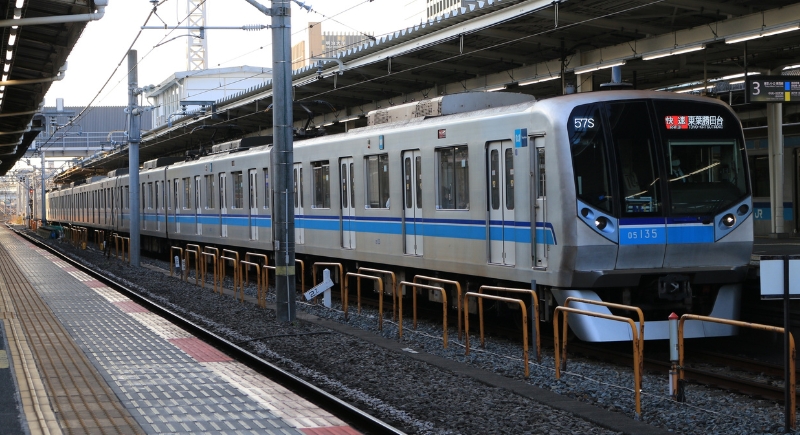
Japan’s trains are famous for showing up on time. Railway companies even issue formal apology letters if a train departs too early. The Shinkansen, or bullet train, averages a delay of less than 60 seconds per year. It’s a deeply ingrained expectation that public systems stay reliable.
Silence as Everyday Courtesy
Credit: Getty Images
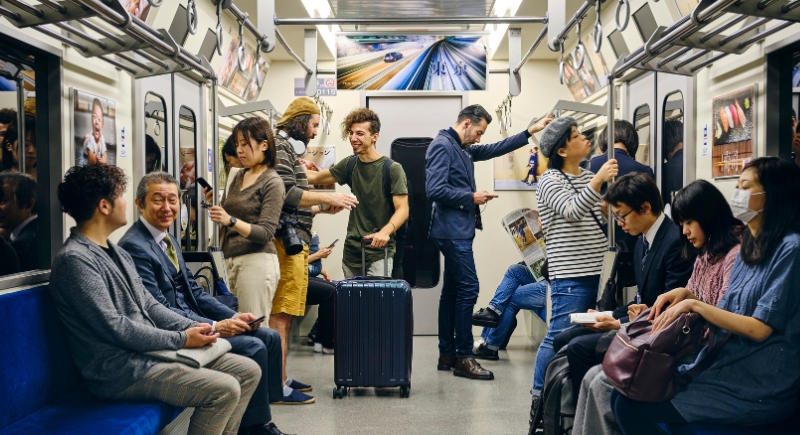
Here, silence in public spaces is treated with the same respect as a traffic light. Trains and elevators are quiet. Even restaurants can be surprisingly hushed. Loud phone calls in public are frowned upon, and there’s a cultural appreciation for keeping to oneself in crowded environments.
Convenience Stores That Actually Are
Credit: pexels
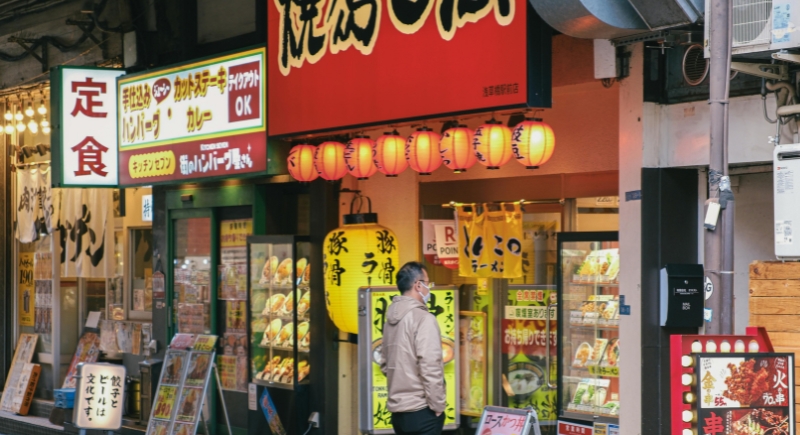
In many countries, convenience stores are last-resort pit stops. In Japan, they’re fully stocked with meals, fresh coffee, copy machines, and bill payment services. Places like Lawson, 7-Eleven, and FamilyMart carry everything from hot bento boxes to phone chargers. Some even sell concert tickets.
Garbage Rules That Demand Strategy
Credit Aflo Images
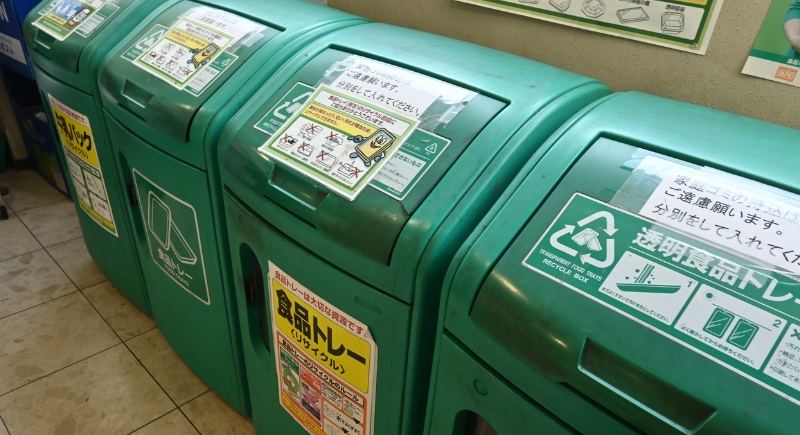
Throwing things away takes planning. Trash is not just “trash.” It gets sorted into burnable, non-burnable, plastic, PET bottles, and more. Pickup schedules vary by neighborhood, and mistakes can mean your bag stays on the curb with a note explaining why. The rules are strict, but they help keep the streets clean.
Bath Time Gets a Tech Upgrade
Credit: Reddit
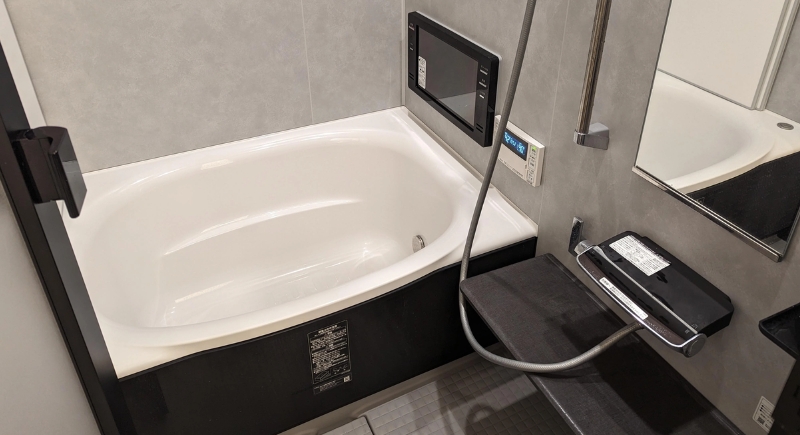
Home bathtubs in Japan often come with control panels. A voice tells you when the bath is ready, and temperature settings are automatic. For many households, bathing is a relaxing evening routine, and the technology behind it just makes it easier to stick with.
Meals With No Room for Substitutions
Credit: Canva
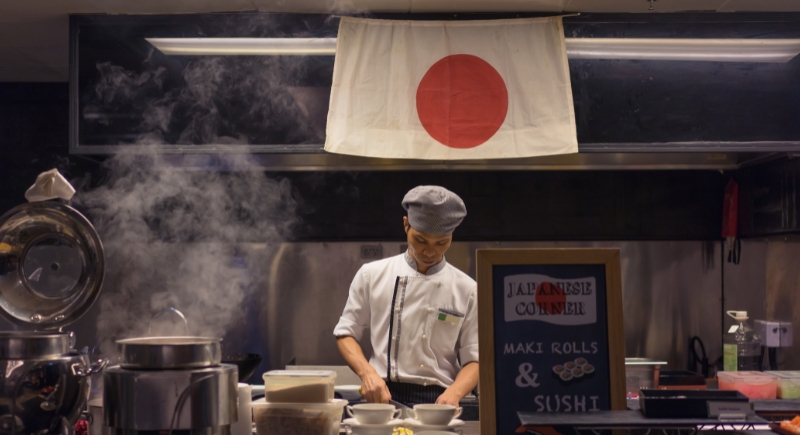
Asking to switch out ingredients at a restaurant usually won’t go far. Dishes are crafted with intention, and chefs take pride in how they’re served. The culture around food values consistency and respect for the original recipe. The focus is not on altering something that’s already considered complete.
Cartoon Mascots Are Everywhere
Credit: Facebook
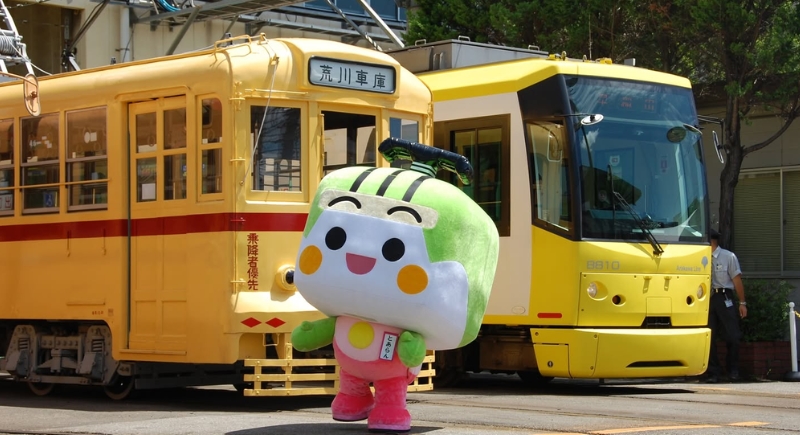
Mascots aren’t limited to sports teams. Utility companies, office departments, and even tax offices have their own illustrated characters. Some mascots promote public safety, while others represent regional foods or cultural traits. They’re on posters and even official documents.
Cash Still Rules the Wallet
Credit Aflo Images
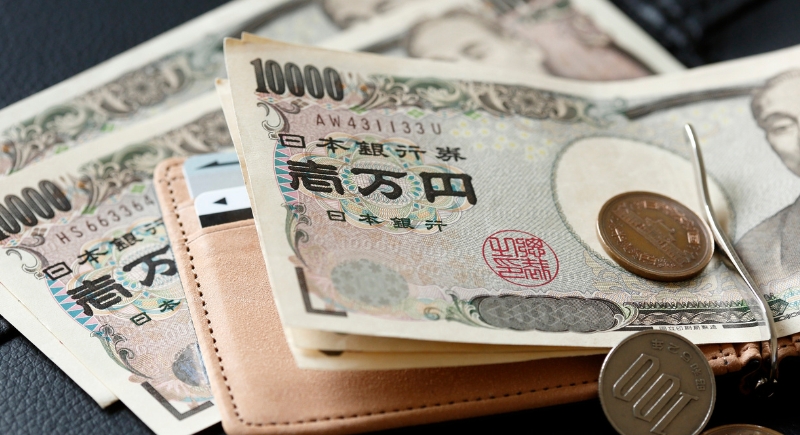
Despite Japan’s tech reputation, cash is still the go-to payment method in many places. While major chains and cities offer card or mobile payment options, many restaurants and smaller businesses still accept yen bills and coins. ATMs that accept foreign cards are easy to find, and people often carry exact change in neatly organized wallets.
Toilets With Built-In Instructions
Credit: Instagram
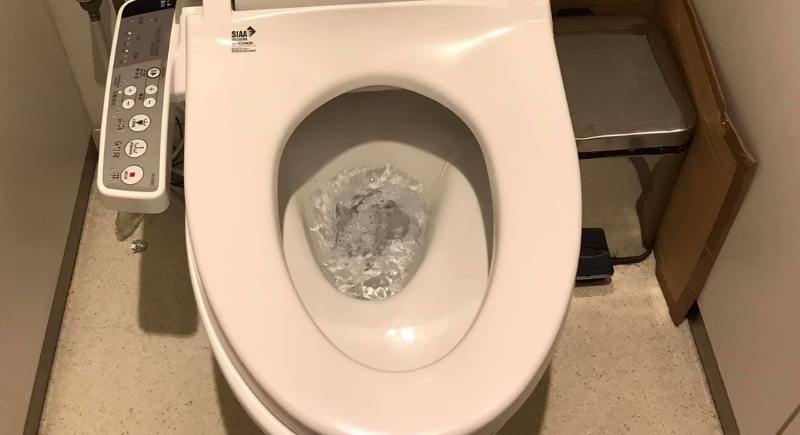
Japanese toilets don’t just flush. They warm seats, play sounds for privacy, offer bidet features, and sometimes even mist the bowl before use. Control panels vary by model, and hotel rooms sometimes include a printed guide for new users. Public restrooms in Japan range from basic to futuristic, but even basic toilets tend to be impressively clean.
Chimes That Mark the Time
Credit: Reddit
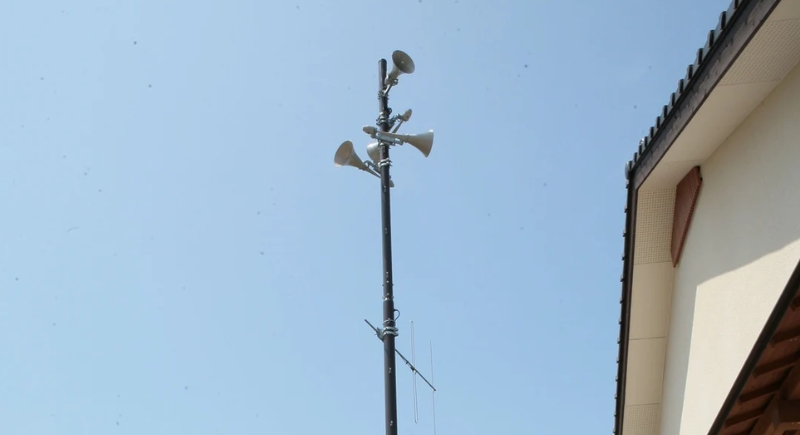
In many neighborhoods, music drifts through the air at certain times of day. They’re community-wide speakers playing a chime, often at 5 p.m. The system helps test emergency broadcast networks, but it also signals that kids should start heading home.