10 Magical Book Towns and Literary Escapes for Your Next Vacation
There are places in the world where books are not just sold but are the reason a town exists. In these places, bookstores shape the local economy, historic buildings house shelves, and literary events bring visitors year-round. The idea is to travel somewhere where reading is part of the experience, not just something you do in your hotel room. You can browse rare editions, attend festivals, or spend time in spaces that treat books as a central part of daily life.
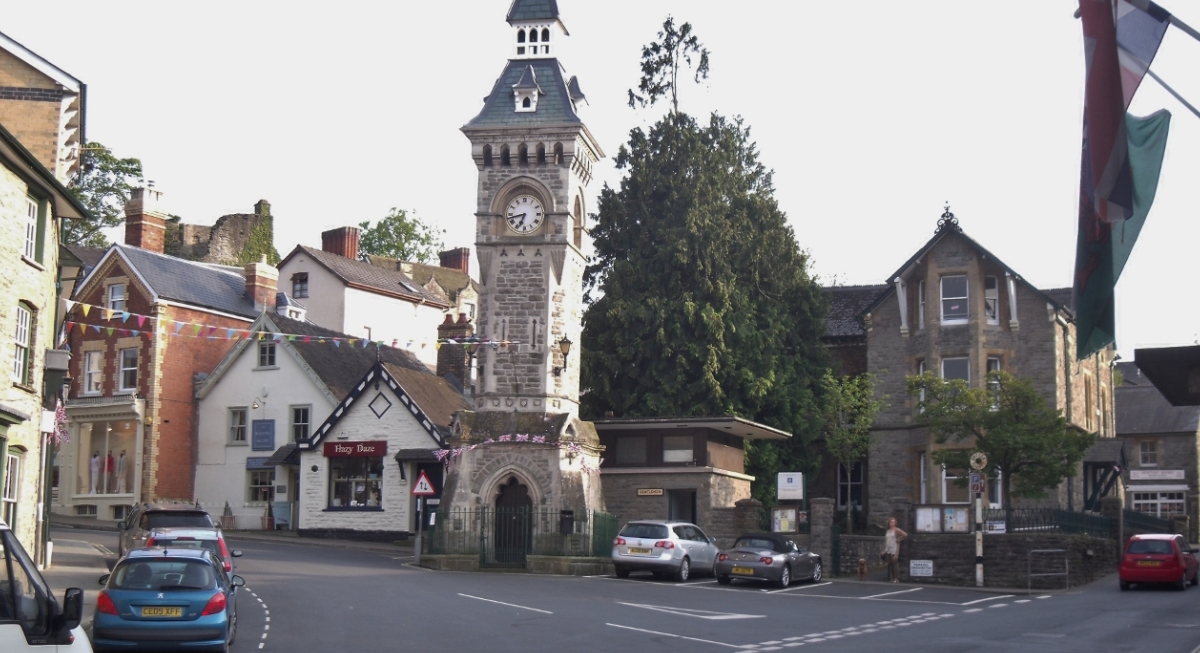
Hay-on-Wye, Wales
Credit: Wikimedia Commons
In 1977, Richard Booth declared his small Welsh market town an independent kingdom, crowned himself “King Richard the Bookheart,” and named his horse Prime Minister. Richard had already spent 15 years building a book town, shipping crates of books from closing American libraries into an old fire station. The Hay Festival of Literature and Arts now draws around 100,000 visitors annually, and Bill Clinton once called it “the Woodstock of the mind.”
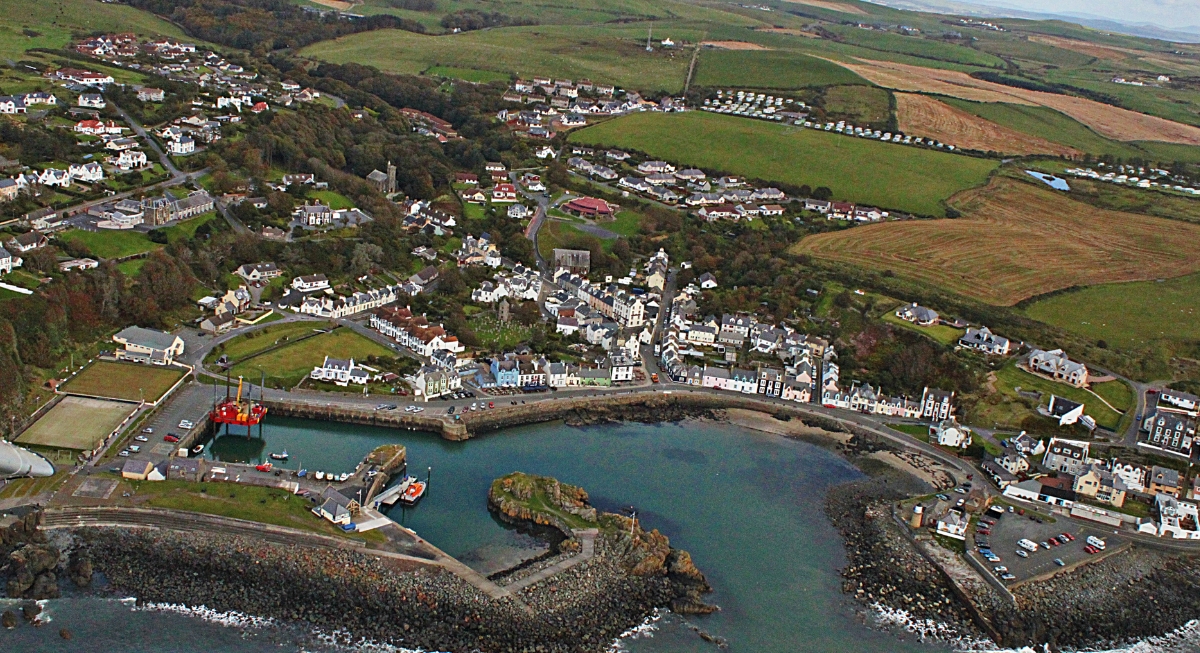
Wigtown, Scotland
Credit: Wikimedia Commons
In 1998, Wigtown was officially designated as Scotland’s national book town after competing with five other locations. At the time, the local economy had declined following the closure of a creamery and a whisky distillery. The book town initiative helped reverse that trend, and today most of those buildings are back in use. One of the key figures in that revival is Shaun Bythell, owner of the town’s largest secondhand bookshop, The Bookshop. He later documented daily life in the store through a series of published diaries. Visitors can also stay at The Open Book, a functioning bookshop that operates as an Airbnb, where guests take on basic shop duties.
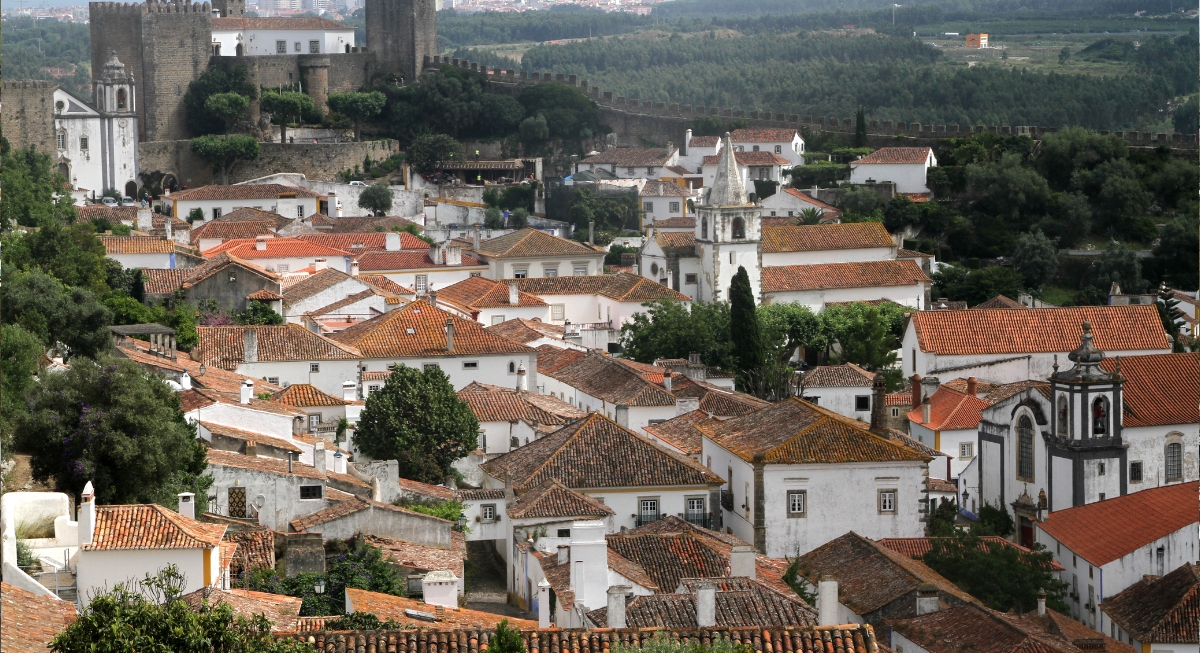
Óbidos, Portugal
Credit: Wikimedia Commons
For centuries, Óbidos was often given by Portuguese kings as a wedding gift to their queens. In recent years, the town has focused on cultural redevelopment by converting unused historic buildings into book-focused spaces. A 12th-century church now operates as a bookstore, a former wine cellar houses a shop with a wine bar, and an old fire station has been repurposed as a reading space. This shift led UNESCO to designate Óbidos as a Creative City of Literature in 2015. Today, the town holds an estimated collection of over 500,000 books across its shops and public spaces.
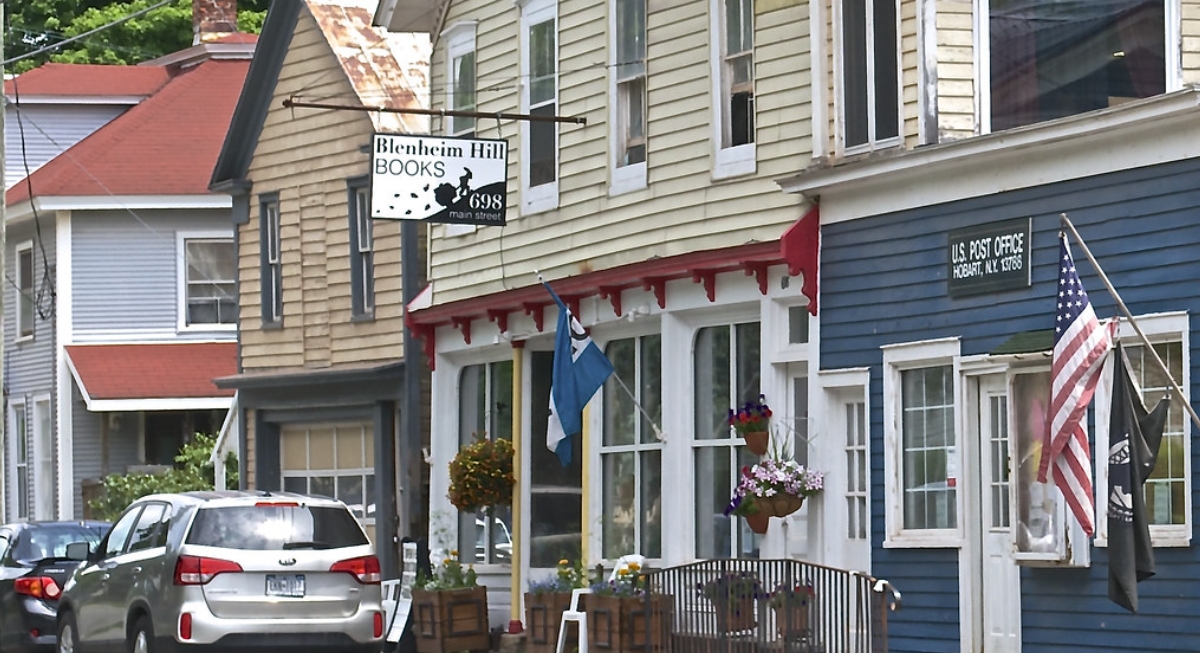
Hobart, New York
Credit: Wikimedia Commons
Hobart is a small village in the Catskills with a population of around 400, and it is often described as the only dedicated “book village” east of the Mississippi River. In the early 2000s, local entrepreneur Don Dales began buying vacant buildings along Main Street and leasing them to booksellers. Several of these independent shops now operate within walking distance of each other. The Catskill Scenic Rail Trail, accessible from the village, offers 26 miles of countryside walking between visits to shops.
Redu, Belgium
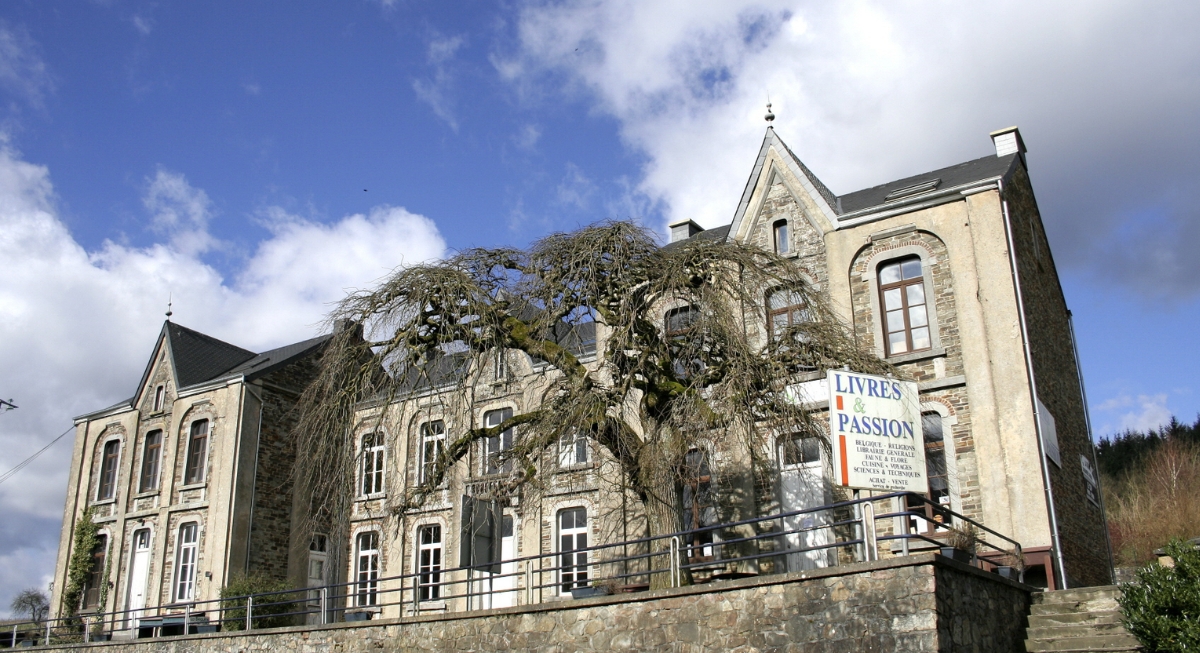
Credit: Wikimedia Commons
Journalist Noel Anselot returned from Hay-on-Wye in 1979 with plans to replicate it in his village of 400 people. He wrote to booksellers across the region, inviting them into empty barns and stone houses. By 1984, Redu held its first book fair. Today, some bookshops remain active, alongside a working paper mill and bookbinding studio. Redu is officially twinned with Hay-on-Wye, an acknowledgment of the debt one book town owes another.
Paju Book City, South Korea
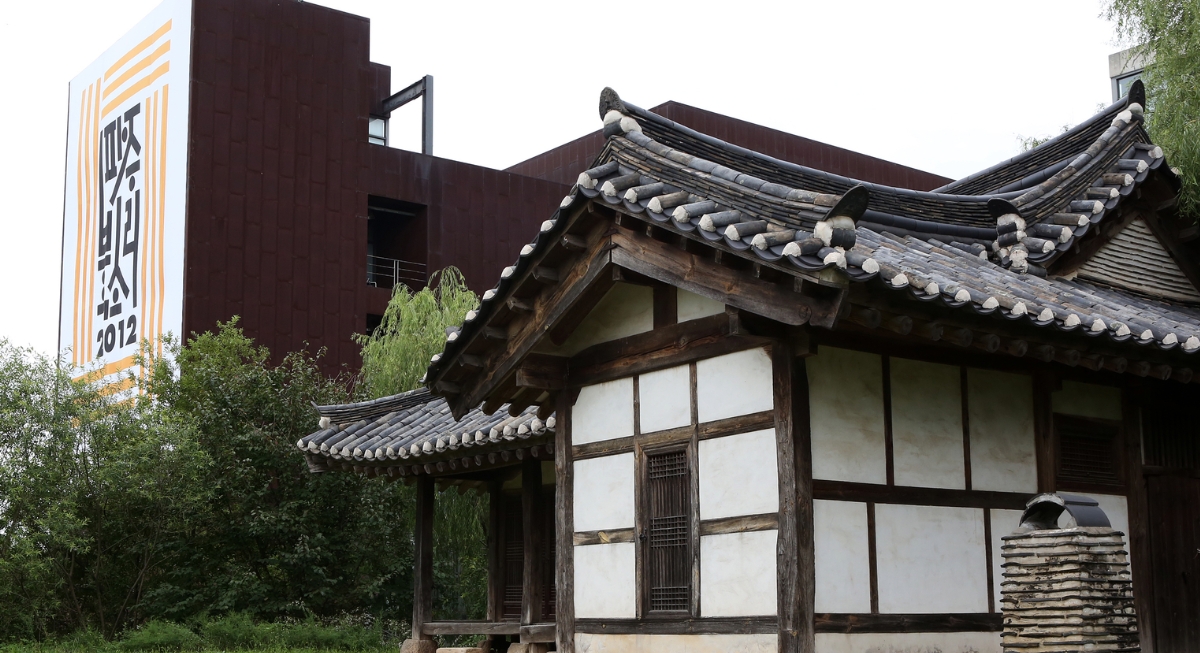
Credit: Wikimedia Commons
Paju Book City covers 215 acres about an hour north of Seoul and houses 250 publishing companies employing over 10,000 people. Aside from the fact that books outnumber residents, visitors will be surprised at how some roads here curve almost inexplicably. In reality, the architecture here was designed in dialogue with the surrounding wetland landscape.
Bredevoort, Netherlands
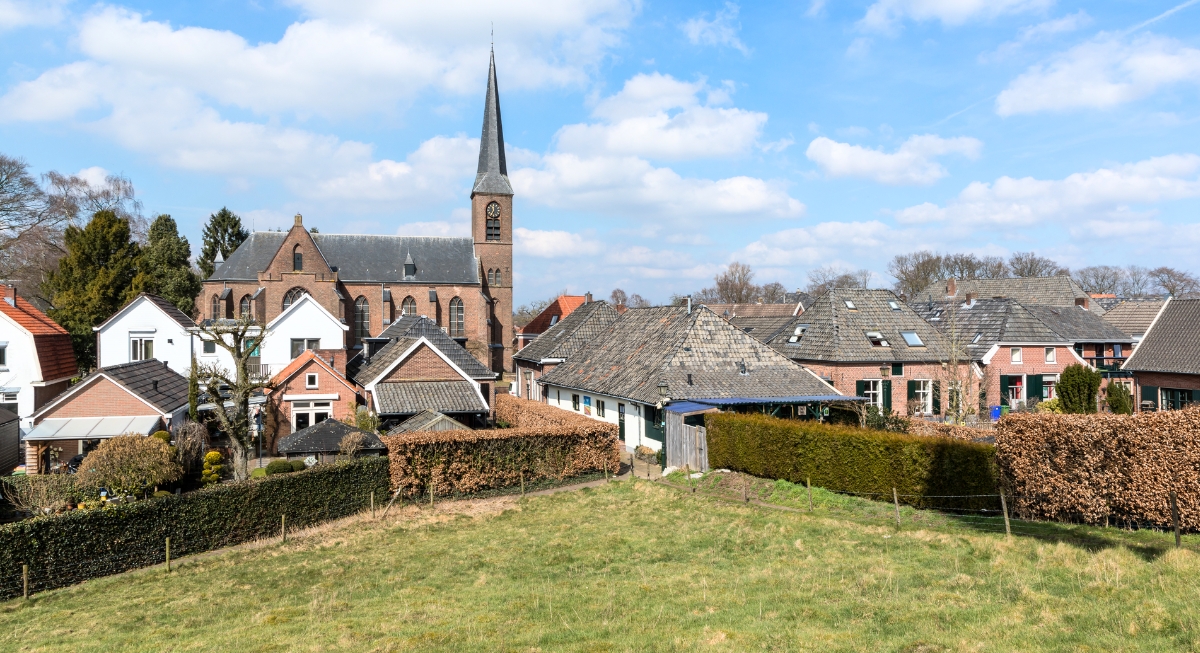
Credit: Wikimedia Commons
King Willem-Alexander of the Netherlands is technically still the Lord of Bredevoort, a feudal title the Dutch royal family has held since 1697. The medieval fortified town has another distinction because, since 1993, it has been the Netherlands’ National Book Town. As a founding member of the International Organization of Book Towns, this town, with over 20 secondhand and antiquarian shops in its center, helped spread the book towns.
Fjærland, Norway
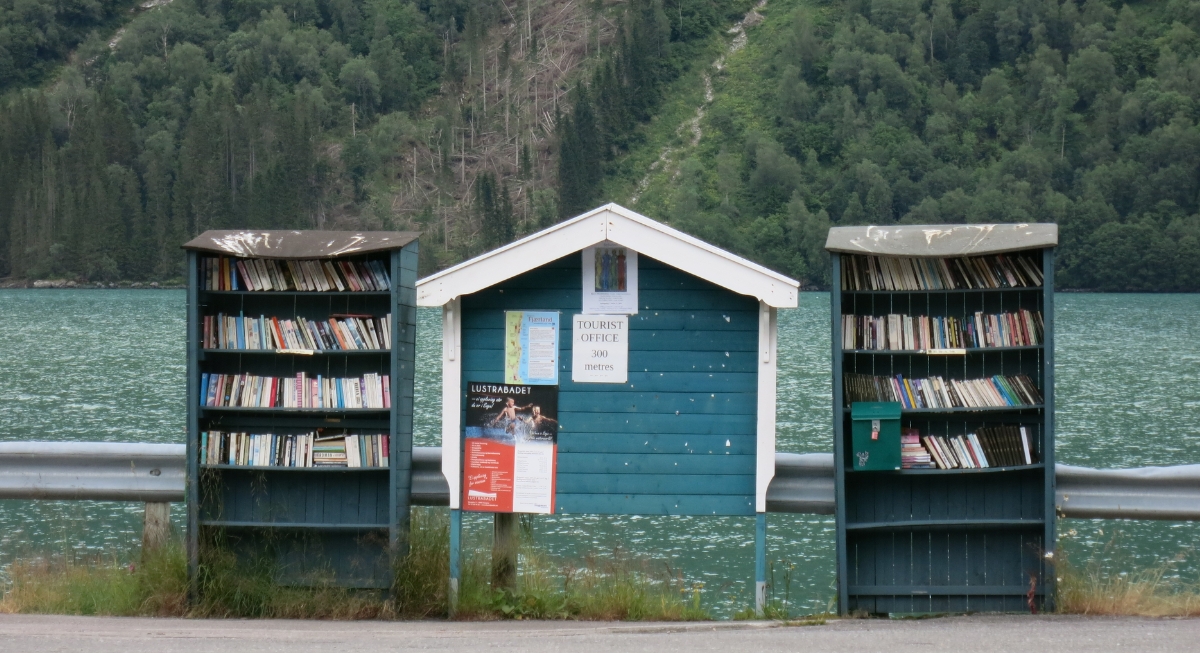
Credit: Wikimedia Commons
Until 1986, when Walter Mondale opened the first road here, the only way into Fjærland was by boat. Norway’s official book town since 1995, Fjærland is located where the Sognefjord meets the Jostedalsbreen Glacier, with 10 secondhand bookshops tucked into different parts of the town, including a former post office. Every June, the Boknatts festival keeps booksellers open all night. The Norwegian Glacier Museum is another popular attraction for some visitors.
Urueña, Spain
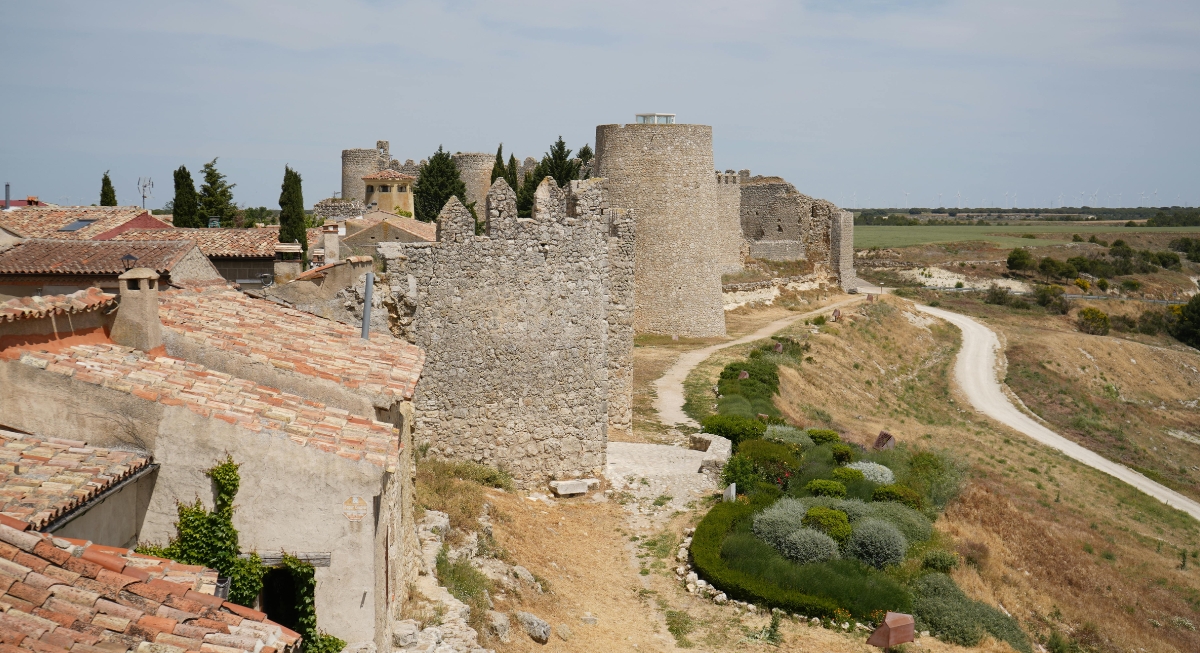
Credit: pexels
Around 200 people live in this fortified hilltop village in Castilla y León, two hours northwest of Madrid. The number of residents is interesting, given that there are around 12 bookshops covering topics as specific as bullfighting, wine, and regional history. In 2007, the provincial government invested €3 million in restoring old buildings and offered prospective booksellers a symbolic monthly rent of €10, which made Urueña one of Spain’s only internationally recognized book towns.
Montolieu, France
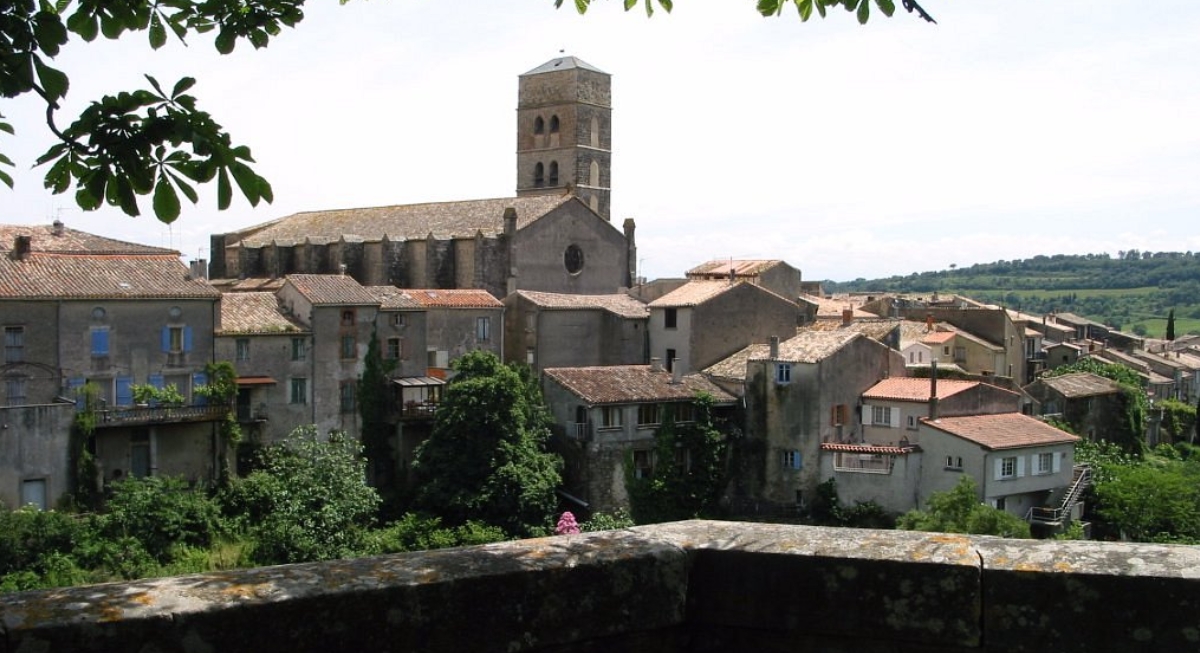
Credit: Tripadvisor
Belgian bookbinder Michel Braibant drove to a village 20 minutes northwest of Carcassonne in 1990 and decided it should be a book town. He founded the Musée des Arts et Métiers du Livre, a museum covering bookbinding, typography, calligraphy, and marbled paper-making, and around 15 secondhand bookshops gradually filled Montolieu’s stone lanes. The village of 800 people is the only book town in southern France.