
Three field checks I use to time cherry blossom peak: bud “puffy” stage, microclimate heat traps, and rain/wind risk on the seven-day view.
The bud-stage walk I do before I book anything
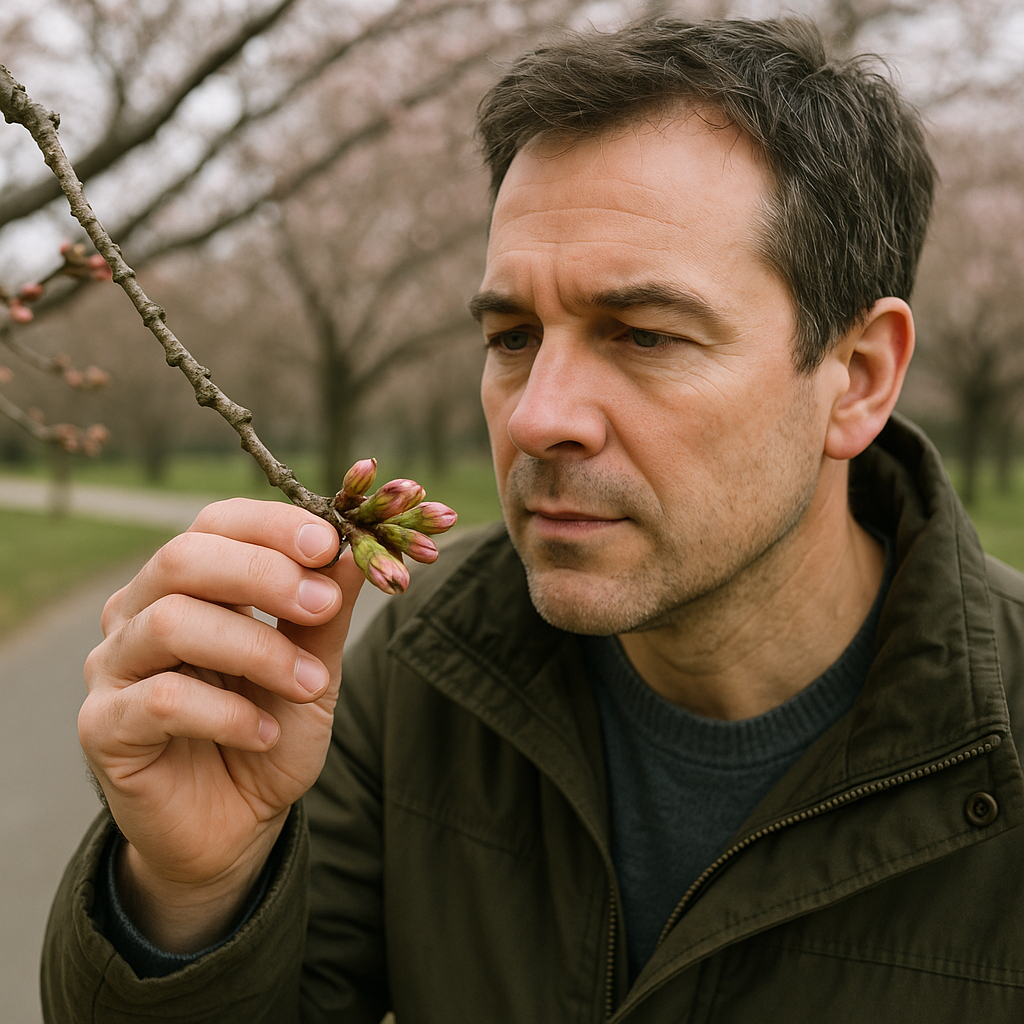
I used to plan cherry blossom trips the way people plan leaf-peeping: pick a weekend, cross your fingers, drive. After a couple of arrivals where the trees were either still tight-fisted or already snowing petals into the gutter, I started doing one unsexy thing first: I look at the buds. Not photos on social, not a festival poster, not a breathless “peak is coming” headline. I mean a literal bud-stage walk in the park I want to see.
You don't need to memorize Latin names or carry a loupe. You just need to know what you're looking for on a branch at eye level. Early on, the buds are hard and small, and the cluster looks like peppercorns stuck to the twig. Later, they swell and the scales loosen. Then you hit the stage I wait for before I commit: the buds look puffy, like they could pop if you breathed on them. Often you'll see a hint of color at the tip, not the full blossom, just a blush that tells you the flowers are staged and ready. When I'm seeing that on multiple trees (not just the one that always runs early), I start moving plans from “maybe” to “put gas in the car.”
Two practical notes from doing this in real life: first, don't judge from one showcase tree by the entrance. Parks often have a few ornamentals planted for maximum early wow. Walk a loop and check a handful. Second, take a quick photo of a bud cluster and label it with the date in your camera roll. Three days later you can compare, and suddenly the bloom window feels less like superstition and more like watching bread rise. If the buds barely changed, you have time. If they've doubled and the first blossoms are cracking open, you have a short fuse, and you'll want to line up your trip with the next warm spell, not the weekend that happens to be free.
Chasing the warm pockets: where peak hits first in the same city
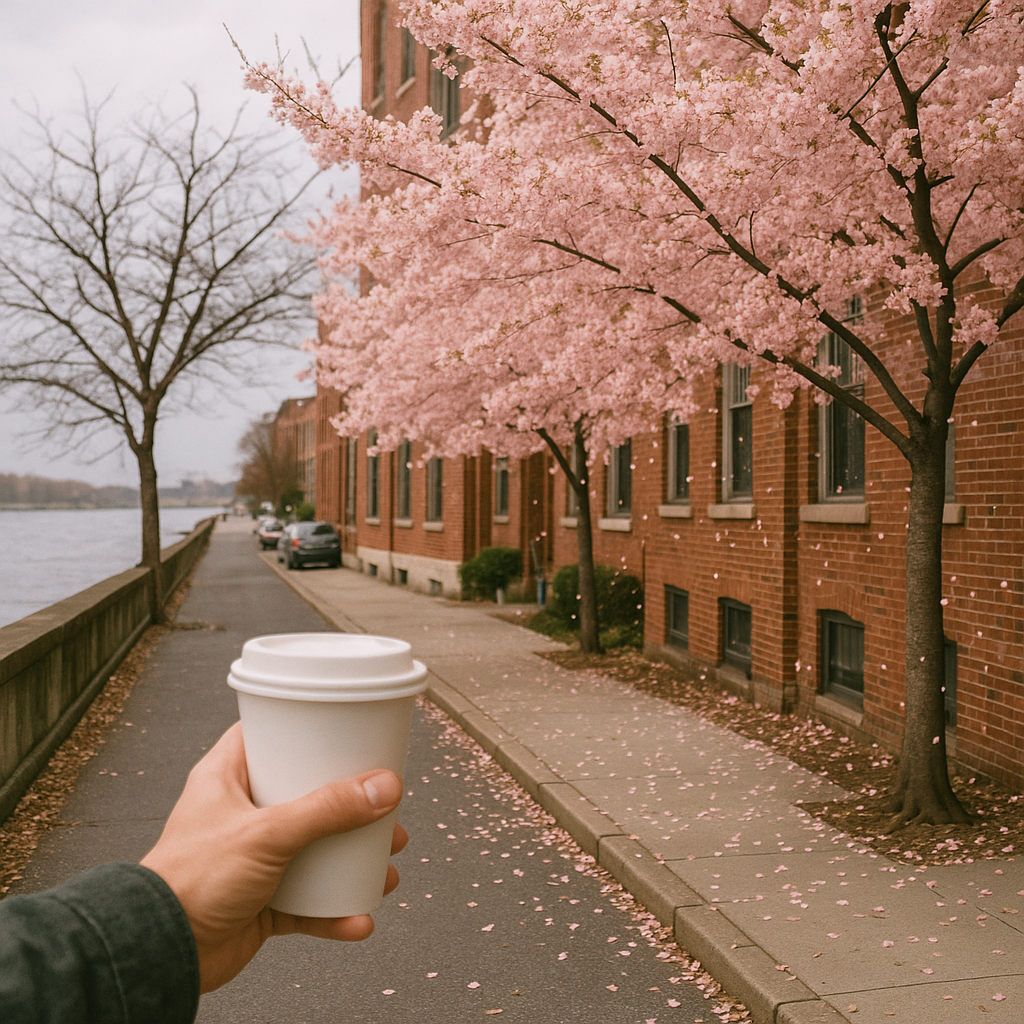
One thing that finally made cherry blossom timing feel solvable for me is admitting that “the city” doesn't bloom all at once. I learned that the annoying way: I drove to a famous waterfront and found bare branches, then stopped for coffee on the way home and saw a side street raining petals like it was trying to show off. Same metro area, different temperature story.
If you want to turn a short-lived bloom window into a trip you can win, start thinking in warm pockets and cold pockets. South-facing slopes, sheltered courtyards, and streets lined with brick buildings tend to run ahead. Exposed waterfronts, windy promontories, and low spots where cold air pools tend to lag. Even within one park, the trees on the sunny side of a hill can be days ahead of the ones tucked behind evergreens.
When I'm planning, I do a simple two-spot strategy instead of betting everything on one postcard view. I pick one early-blooming microclimate and one later one, ideally within a 20 to 30 minute ride. The early spot might be an urban botanical garden with windbreaks, a campus quad surrounded by buildings, or a residential neighborhood where the trees are planted close to warm pavement. The later spot might be a river path that stays cooler, a higher-elevation lookout, or a big open lawn that catches every breeze. Then I check both spots' buds during the week (even a quick detour at lunch if I'm local, or a glance at recent photos from people who post dates and locations if I'm not).
On the day of, this gives you options. If you arrive and the headline location is shy, you can pivot without that sinking “we came all this way for sticks” feeling. If it's already past peak, you can chase fresher trees a few miles away, where the blossoms are still holding on. The fun part is it makes the trip feel like a little field exercise: you start noticing sun angles, wind channels, and how a row of trees behaves differently depending on what it's planted next to. It turns the bloom into something you're reading on the ground, not a single date you're trying to hit with a dart.
The weather combo that strips blossoms overnight (and how I plan around it)
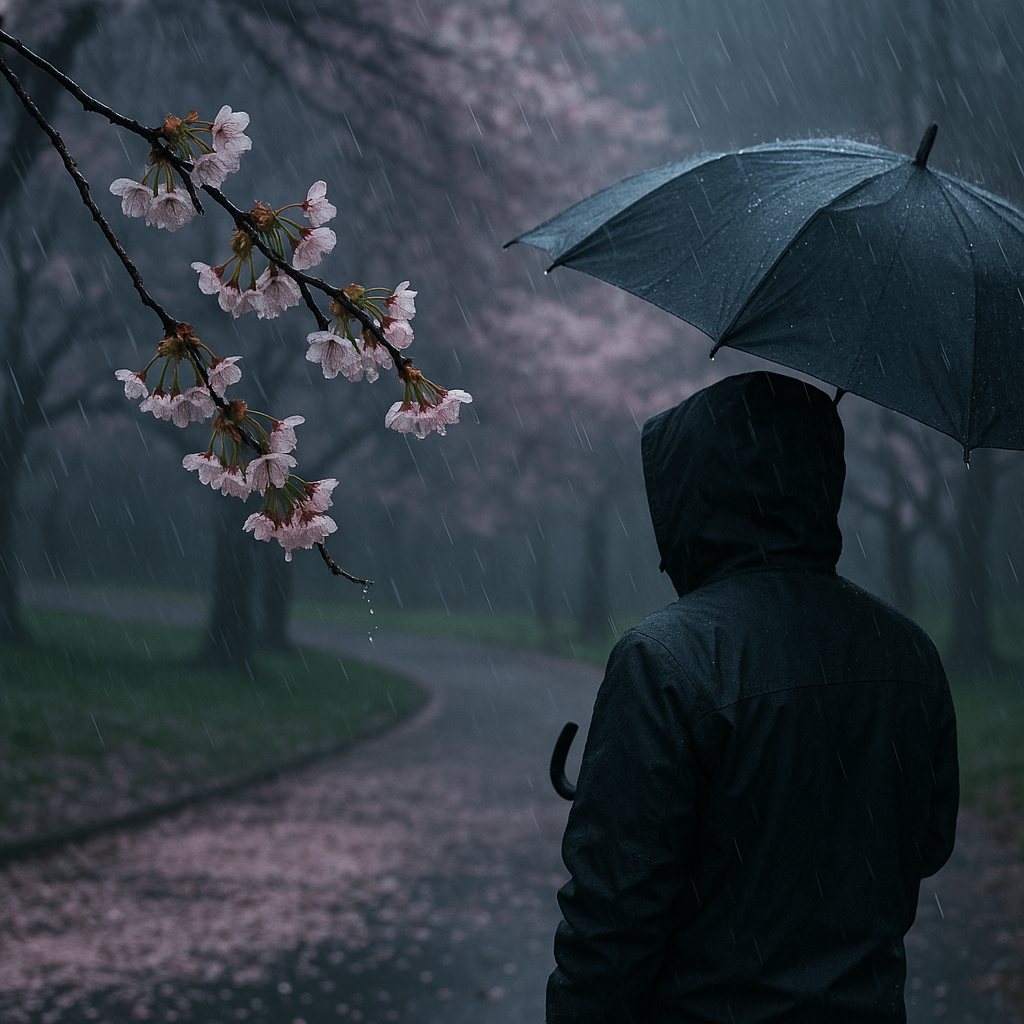
Peak bloom isn't only about the day the blossoms open. It's also about whether they survive long enough for you to see them. I've watched a stand of trees go from perfect to sad in one night, and it wasn't a mystery once I started paying attention to the exact weather combo that does the damage: soaking rain plus wind, right when the petals are fresh and heavy.
So my planning habit now is less “find the peak date” and more “avoid the blossom-stripper.” When I see buds nearing that puffy stage, I start checking a seven-day forecast with two specific numbers: rainfall totals and wind gusts. A gentle drizzle is one thing. A front that dumps water and then follows with gusts is the kind of night that turns every sidewalk into a pink slush pile by morning. Temperature matters too, but not in the way people think. A warm day can push the trees into bloom, which is great, but it also starts the clock. If the warm push is immediately followed by stormy weather, you can lose the show before the weekend even arrives.
This is where I get picky about location. If the forecast is calling for wind, I aim for places with natural shelter: trees set back from open water, paths that run behind hedges, or parks with stands of taller trees that break the gusts. If rain is the issue, I look for spots where I can still enjoy the canopy even if it's wet, like a garden with winding paths and a lot of close-up viewing, not just one long open promenade where you're stuck marching into the weather.
One very practical move: I keep two trip days in mind, not one. If Saturday looks like the front and Sunday looks calmer, I don't “tough it out” on Saturday out of stubbornness. I've done that. You get damp photos and spend the next morning scrolling other people's perfect Sunday pictures like you're torturing yourself. If you can only go once, I'd rather show up a day earlier in the bloom than a day after the storm. Slightly early means you still get that clean, cotton-candy look when the first blossoms open. Slightly late, after a windy rain, means you're photographing branches that are already thinning, and the ground is doing most of the blooming for them.