10 Mysterious Caves That Defy the Laws of Depth
In 1965, a diver named Jim Houtz dove into a desert pool in Nevada and descended to over 300 feet without reaching the bottom. To date, no one has been able to figure out how deep that cave actually is or where it ends, and Jim’s story is not an outlier. Several similar caves have outsmarted explorers and occasionally claimed lives. Despite human curiosity and love for adventure, here are 10 caves that are off-limits mainly because no one knows where the floor is.
Devils Hole, USA
Credit: Wikimedia Commons
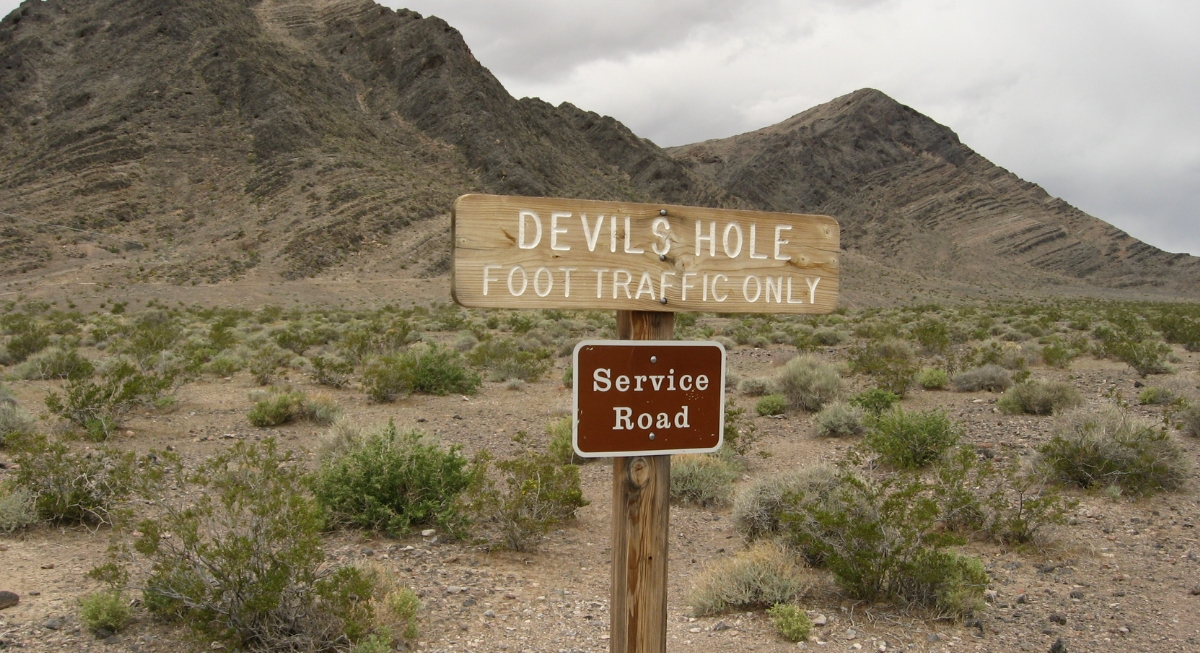
At the surface, the Devils Hole looks like a small pond, about 72 feet long and only 11 feet wide. Its appearance is misleading. Beneath it, the cave drops to more than 152 meters based on the parts that have been mapped so far. Divers have tried to go deeper. Jim Houtz reached about 315 feet during a scuba dive, but even then, the bottom was not reached. The site is now federally protected and also serves as the only natural habitat of the Devils Hole pupfish, a species found nowhere else in the world.
Phantom Springs Cave, Texas
Credit: Mississippi Entomological Museum
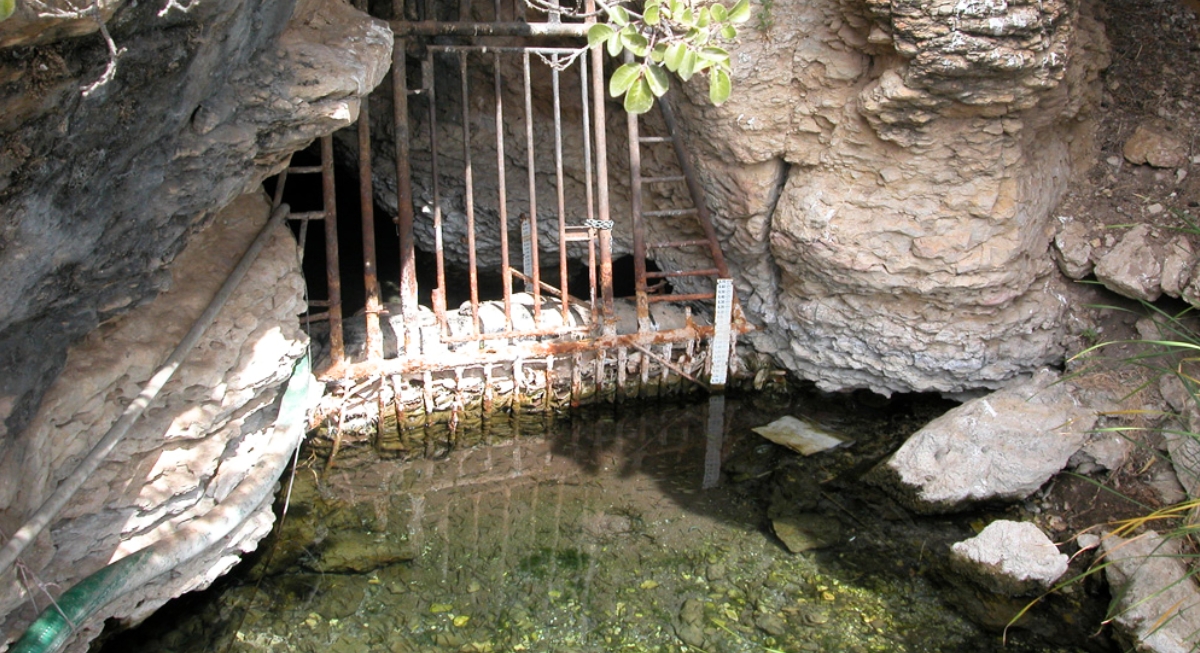
The nearest town to Phantom Springs has a population of 435, and the cave is located on land owned by the U.S. Bureau of Reclamation in the West Texas desert. Scientific permits are required to enter, and the Bureau does not hand them out easily. In October 2023, two world-class divers attempted to descend to 600 feet, but one of them did not return alive. The cave’s depth has been mapped at least 460 meters, with future exploration efforts aiming to reveal greater depth.
The Hranice Abyss, Czech Republic
Credit: Wikimedia Commons
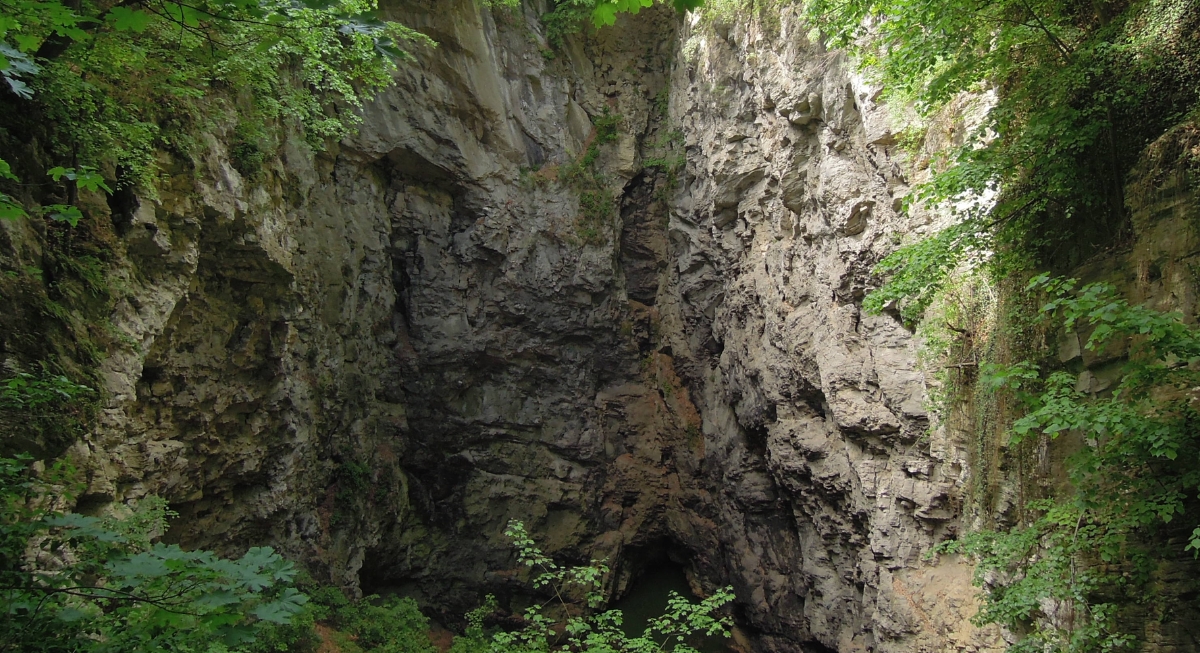
Robotic probes have confirmed a depth of more than 519 meters inside this flooded cave. Unlike most systems, the water here is heated from below by geothermal activity rather than sunlight. Divers can’t safely reach the cave’s limits, so machines do the work, but even they haven’t yielded definite measurements. Researchers believe the abyss likely extends farther and could be one of the deepest known flooded freshwater caves.
Taam Ja’ Blue Hole, Mexico
Credit: Tripadvisor
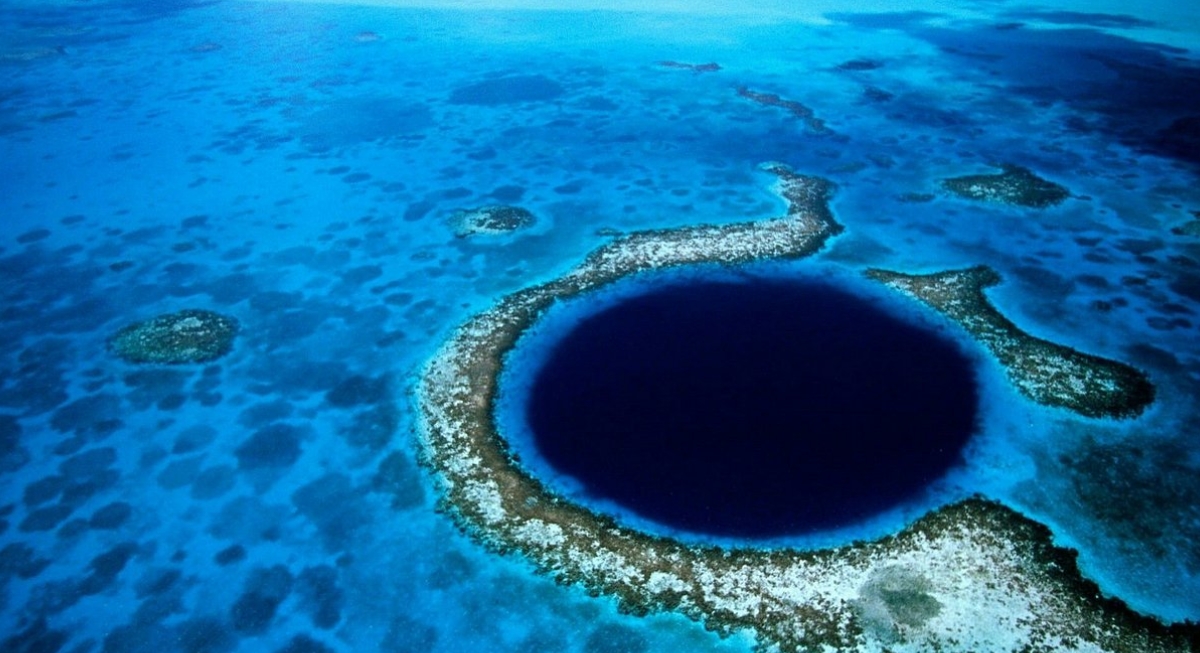
Instead of relying on divers, researchers have used sonar to explore this site. Surveys have traced a vertical drop of more than 420 meters, but no confirmed bottom has been detected. It lies off the Yucatán coast and features complex underwater connections, along with layers of water whose chemistry shifts with depth. Those conditions make direct exploration difficult, so scientists are still working to map it fully.
Cetina Spring, Croatia
Credit: Wikimedia Commons
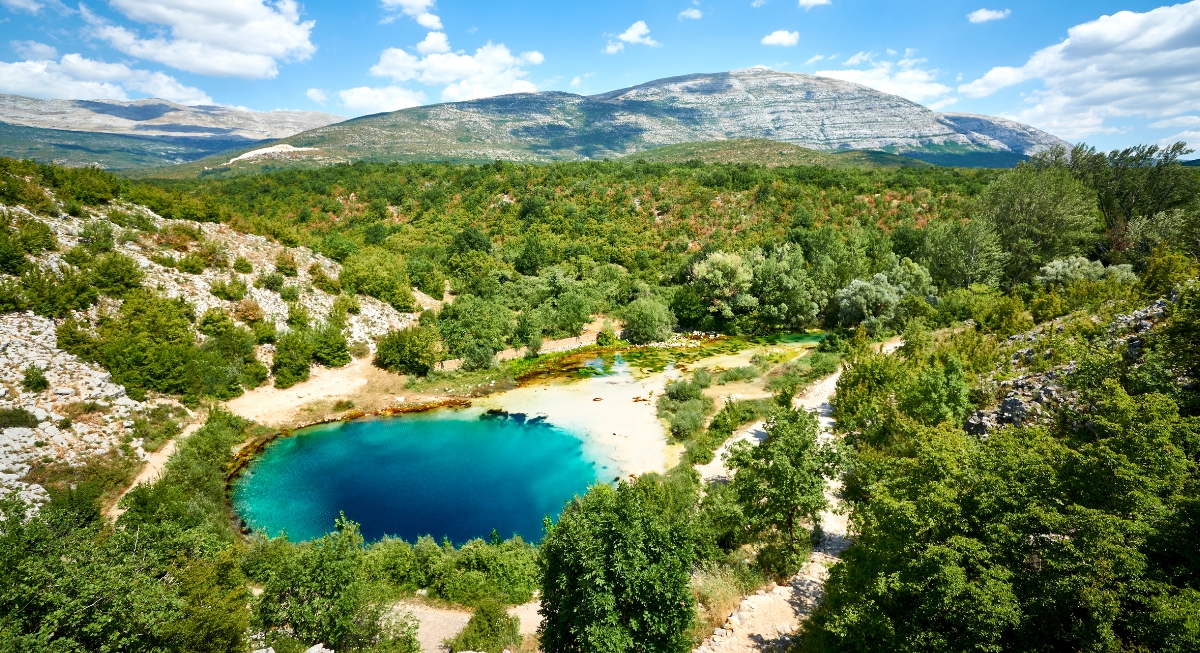
Divers don’t stay long in the Cetina Spring cave, and for good reason. The water is near 8°C, which reduces exploration time even for experienced teams. Beneath the bright blue surface, there’s a vertical cave explored to around 115 meters, with passages that stretch further. The spring feeds the Cetina River and adds constant flow to an already complex system. Mapping has improved over time, but deeper sections still haven’t been fully charted.
Dragon’s Breath Cave, Namibia
Credit: Facebook
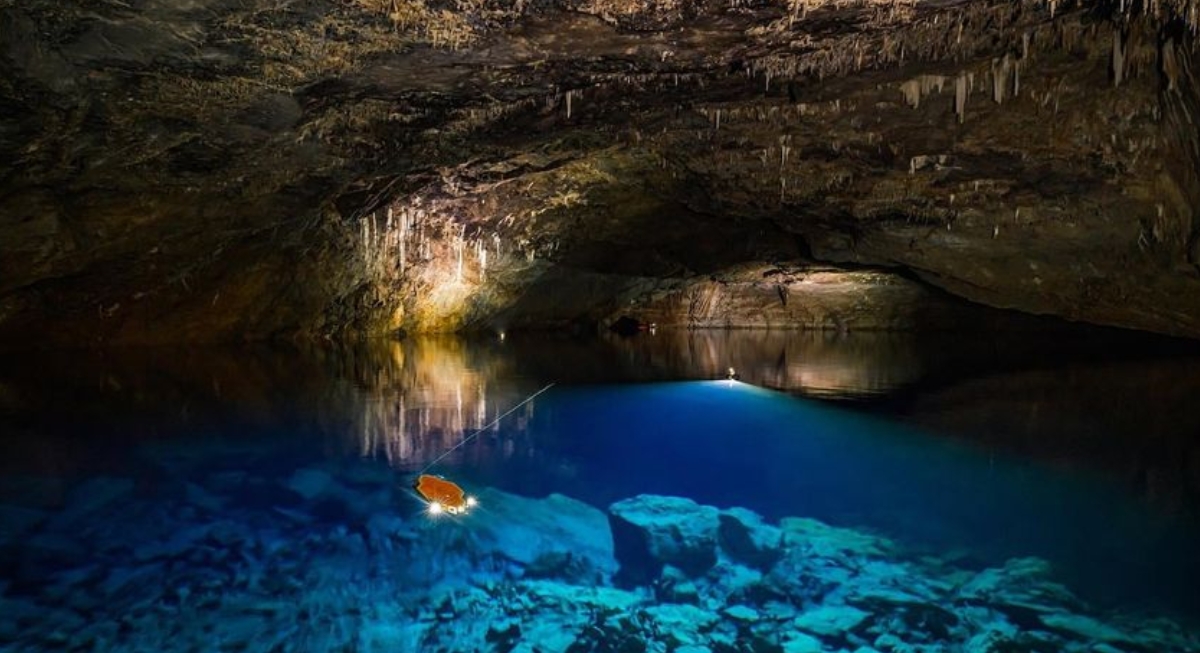
Getting into this cave is the first hurdle since it’s on privately owned land. Those granted access would encounter a massive underground lake covering roughly 2 hectares. Early visitors noticed warm, humid air rising from the entrance, which inspired the name. Measurements have confirmed substantial depth, but conclusively mapping the lake’s underwater structure remains tough due to limited visibility and difficult conditions.
Sarma Cave, Georgia/Abkhazia
Credit: Tripadvisor
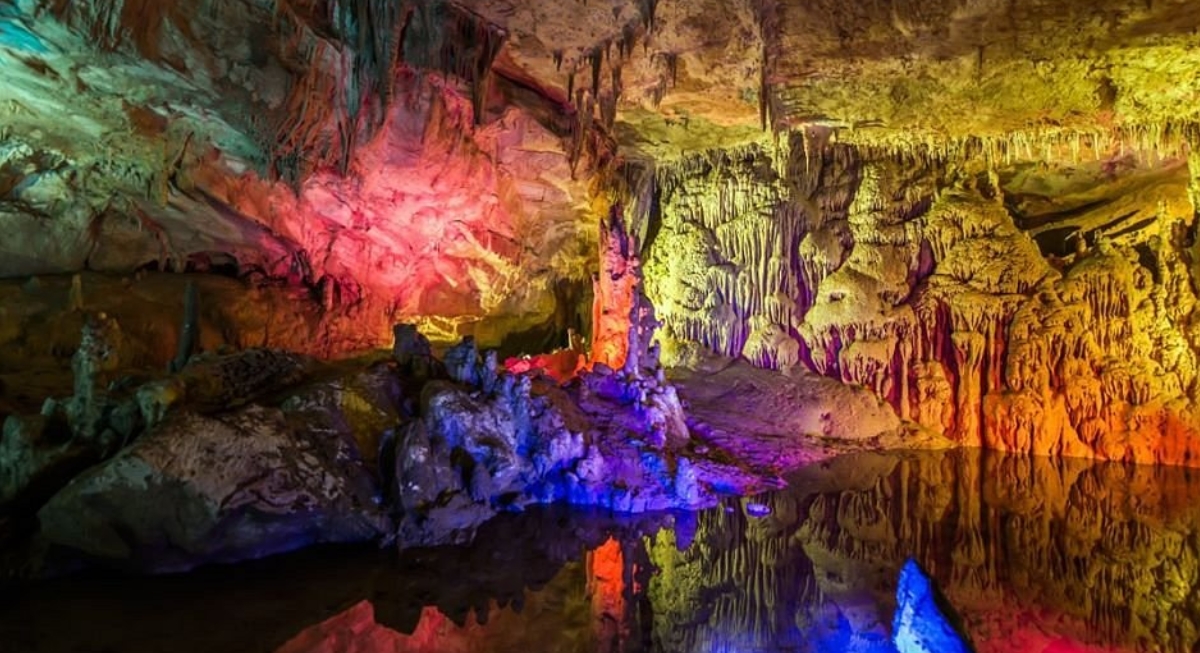
More than 1,800 meters of mapped depth already puts Sarma among the world’s elite caves. The figure reflects the results of painstaking surveys that keep returning. While the cave has a measured depth, strong geological evidence suggests potential additional passages and connections to nearby deep cave systems may extend it even further. Still, progress depends on pushing through barriers that require significant effort and careful planning.
Sistema Chevé, Mexico
Credit: Youtube
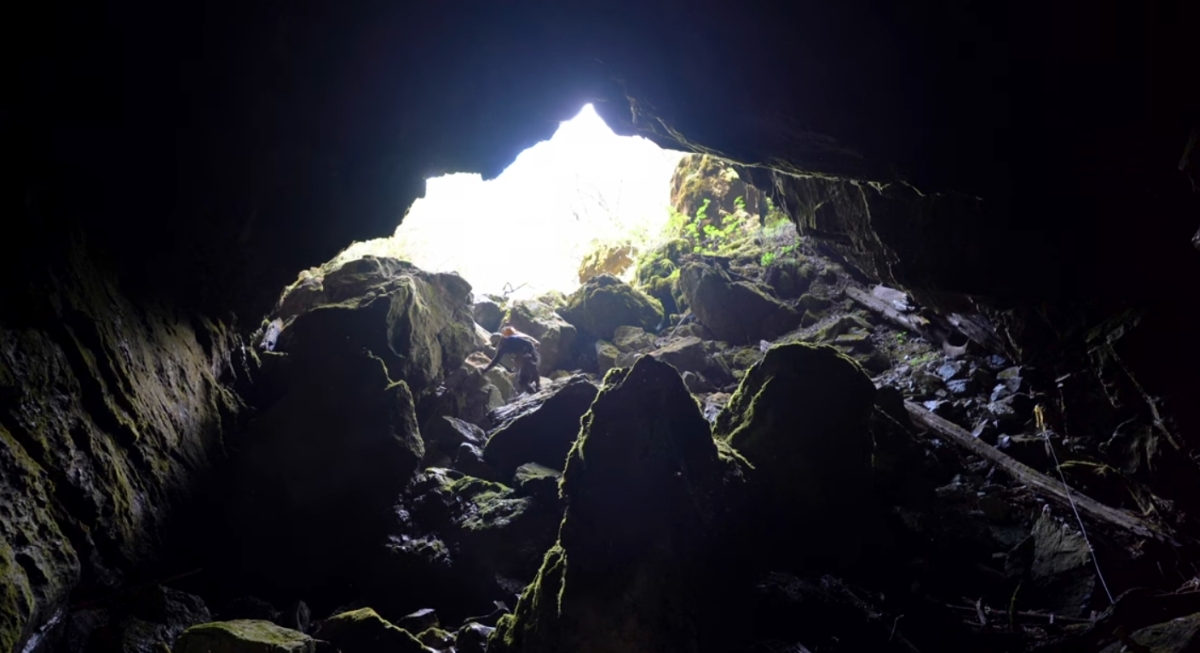
For years, this cave has puzzled explorers. Surveys place it deeper than 1,500 meters, but geological clues suggest it connects to lower systems that remain untouched. Finding those links requires navigating flooded tunnels and unstable terrain over long expeditions. Most new expeditions add data but fall short of providing a definite answer. If those rumored connections are confirmed, this could become the deepest known cave.
Sistema Huautla, Mexico
Credit: Wikimedia Commons
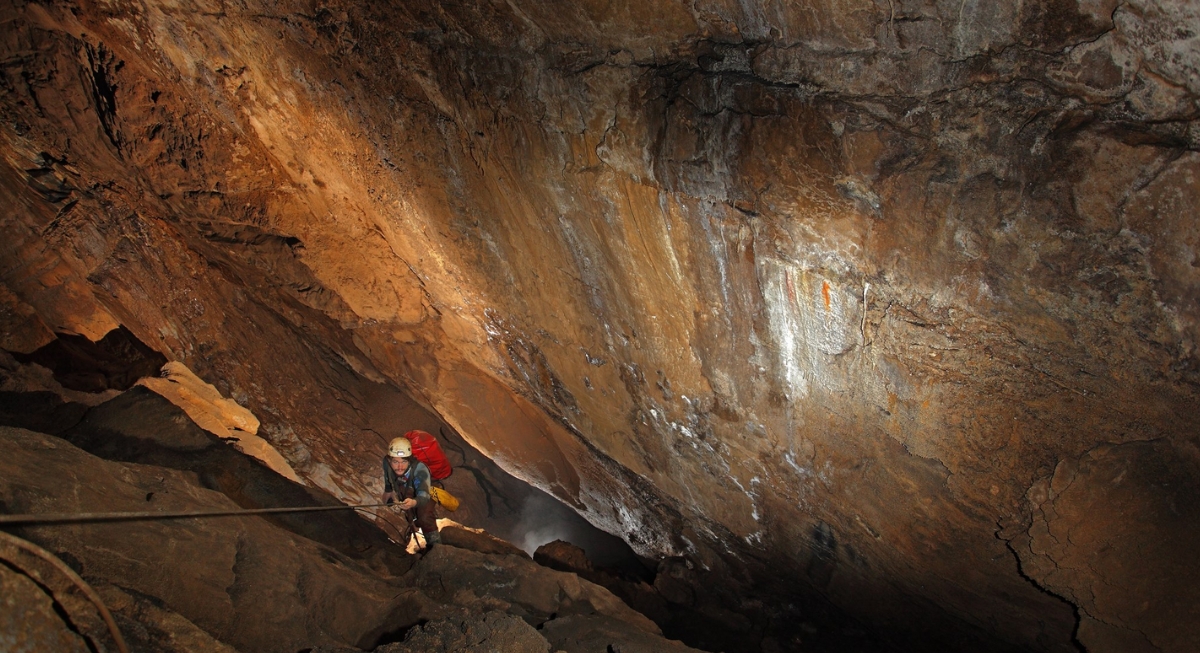
Surveys have mapped Sistema Huautla beyond 1,560 meters, but geological evidence suggests deeper sections may still exist. Progress depends on navigating difficult terrain, which makes each expedition slow and deliberate. It also doesn’t help that the cave contains active underground rivers, which shift conditions between expeditions.
Boesmansgat / Bushman’s Hole, South Africa
Credit: Advisor.Travel
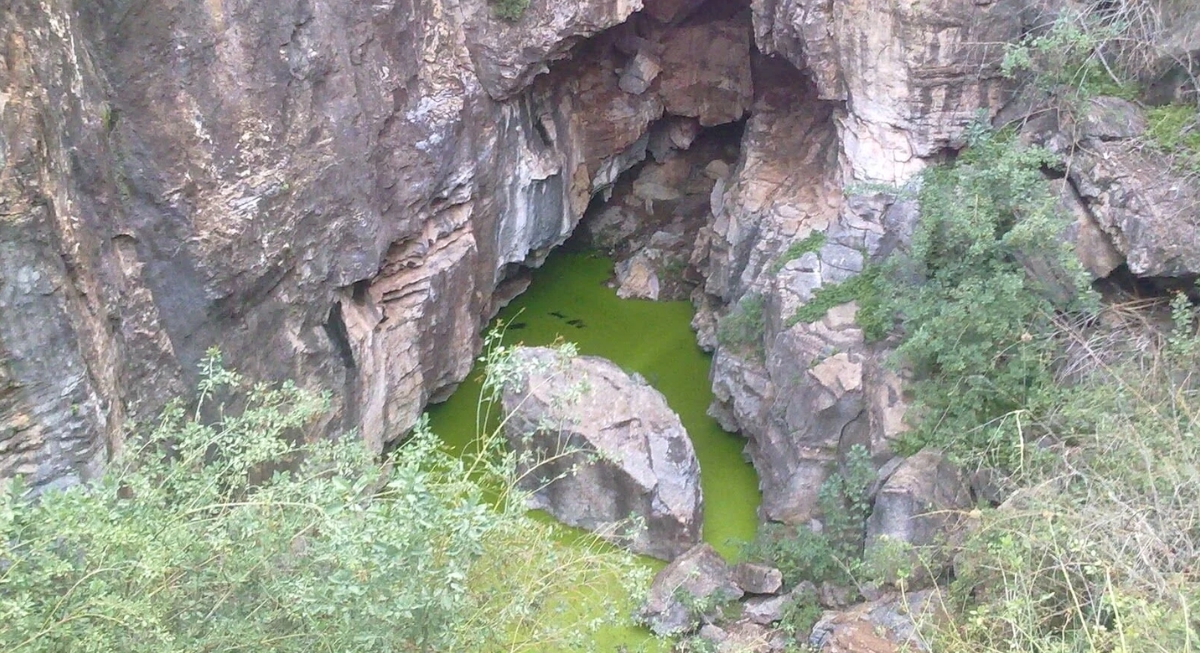
Technical divers treat this site with caution. The water-filled shaft extends beyond 280 meters, and going deeper requires specialized gas mixtures and strict planning. Several expeditions have stopped short due to the risk it carries. Even with modern equipment, exploring beyond current depths remains a challenge.