Norway Launches the First Nighttime Panoramic Train to See the Northern Lights
Norway has now launched a real nighttime rail experience linked to aurora season, but its purpose, design, and execution differ sharply from the viral claims circulating online. Headlines promise panoramic glass ceilings, luxury cabins, and guaranteed aurora sightings, and travel demand followed fast, along with confusion about what is actually available to book.
This nighttime rail journey is designed for northern lights viewing, timed to coincide with peak aurora season and operating north of the Arctic Circle. The route begins in Narvik, a rail hub renowned for its long winter nights and minimal light pollution. The train travels along the historic Ofoten Line, a stretch of track originally built for iron ore transport and now prized for its isolation and dramatic terrain.
This is not a brand new railway or a sci-fi rail capsule. It utilizes existing carriages, adapted for nighttime travel, paired with guided stops that place passengers directly under the dark Arctic skies. The focus remains on positioning, timing, and access to darkness.
Why the Panoramic Claim Stuck
The word panoramic did not appear by accident. Large windows, controlled interior lighting, and seats oriented toward sky visibility play a role. Similarly, marketing imagery that relies heavily on concept visuals also built the hype. Several outlets blurred the line between design ambition and what travelers can book today, and that gap fueled the rumor cycle.
In reality, the strongest viewing does not happen while seated, but during scheduled stops at remote stations such as Katterat, a roadless point high above sea level where light pollution drops close to zero. Passengers step off the train, gather near a fire, and wait with guides who track cloud cover and geomagnetic activity in real time.
Timing Is Doing the Heavy Lifting
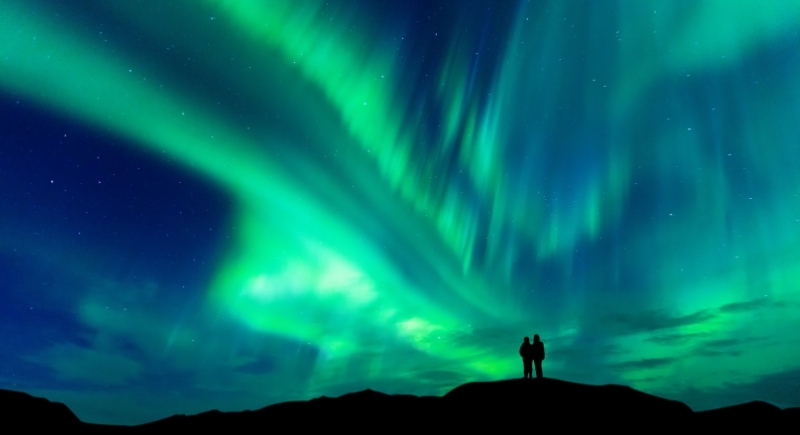
Image via Getty Images/basiczto
This launch lines up with a favorable solar cycle. Scientists expect heightened auroral activity from 2024 to 2026 as the current 11-year solar cycle reaches its peak. Norway timed the service to run between October and March, the stretch with the longest nights and highest viewing odds. This is vital because strong solar activity paired with minimal cloud cover and remote geography drives sightings. The train simply solves the most challenging part for visitors, which involves navigating dark areas without renting a car or taking a last-minute chase.
What the Experience Actually Feels Like
Passengers board in Narvik during the evening and travel deeper into the Arctic landscape. Guides provide context along the way, covering aurora science, regional history, and photography basics. The stop in Katterat acts as the emotional center of the trip. Hot drinks, firelight, and silence take over while everyone looks up. However, sightings never come with guarantees, and organizers acknowledge this reality. The experience is valuable even on quiet nights, thanks to the location, the stillness, and the sense of access that most travelers never manage to achieve alone.
Cost, Access, and Sustainability
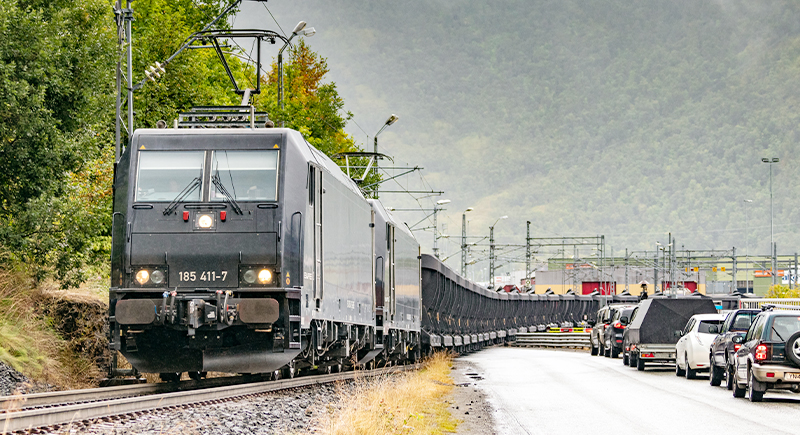
Image via iStockphoto/BeyondImages
Tickets generally start at 1,495 Norwegian kroner, about $140. The price includes rail transport, guiding, refreshments, and the wilderness stop. Seats sell out quickly during peak months, especially near new moon periods.
The train operates on Norway’s hydroelectric grid and utilizes existing rail infrastructure, keeping its environmental footprint low compared to road-based aurora tours. This aligns with Norway’s broader tourism strategy, which favors low-impact access over constant expansion.