10 Places Where It Is Illegal to Die
Some places have taken an unusual step to deal with real-life problems. And when we say unusual, they’re literally absurd. They’ve made it illegal to die. Yes, you read that right. These laws may sound like odd headlines, but many are tied to serious issues, such as limited burial space, ancient religious customs, or environmental regulations.
Often symbolic, these bans serve as a means for local leaders to garner attention or advocate for change. In other cases, the rules were grounded in strict cultural beliefs that shaped how and where people could live or die. Each of these places has its own reason, and together, they reveal how death can be deeply political.
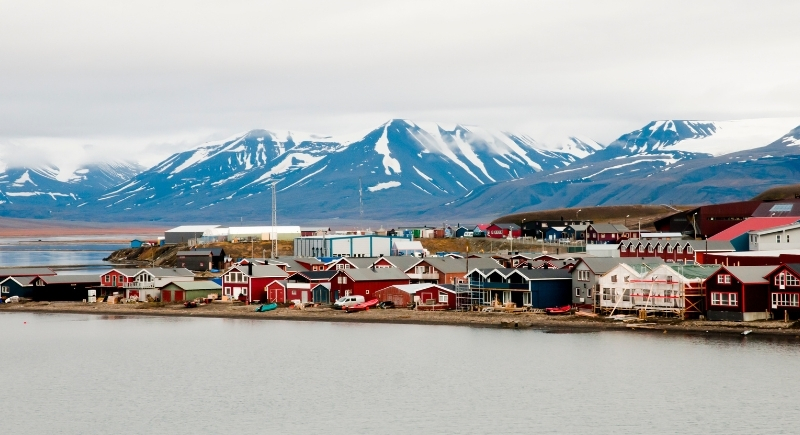
Longyearbyen, Norway
Credit: Getty Images
Since the 1950s, this Arctic town has banned burials due to the frozen ground that prevents decomposition. When researchers extracted a live sample of the 1918 flu from a body buried here, it confirmed what locals had already feared: viruses can survive in permafrost. The dying are now transferred off the island by plane.
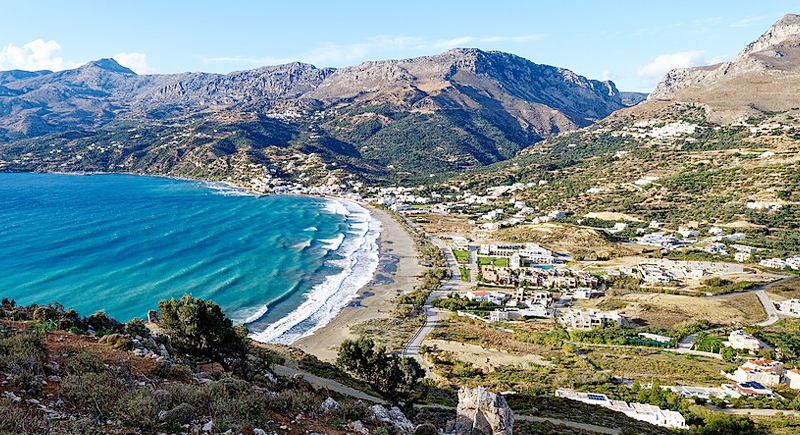
Sellia, Italy
Credit: Wikimedia Commons
With nearly all of its residents over 65, Sellia’s mayor passed a 2015 ordinance making it “illegal” to get sick or die. The penalty is a €10 fine for skipping your annual checkup. The message was to stay healthy, or at least pretend you’re trying, because this town can’t afford to shrink further.
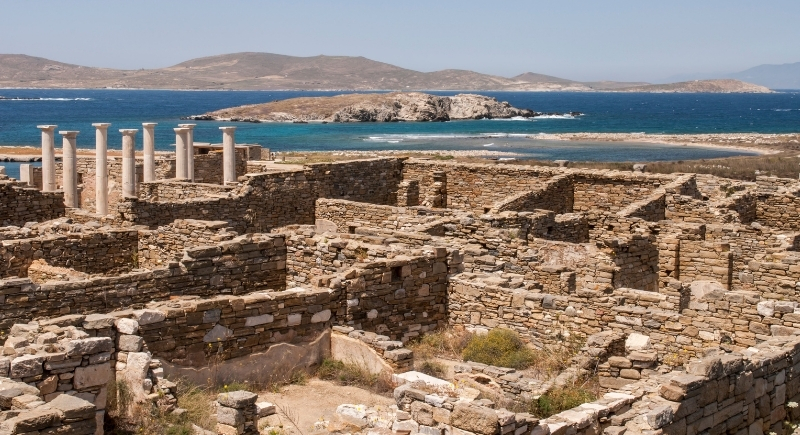
Delos, Greece
Credit: Getty Images
In ancient Greece, Delos was considered too sacred for the messy realities of life and death. Around the 6th century BCE, authorities ordered graves removed and banned both childbirth and dying on the island. Anyone nearing either was ferried to neighboring Rhenea, which became an ancient version of a designated zone.
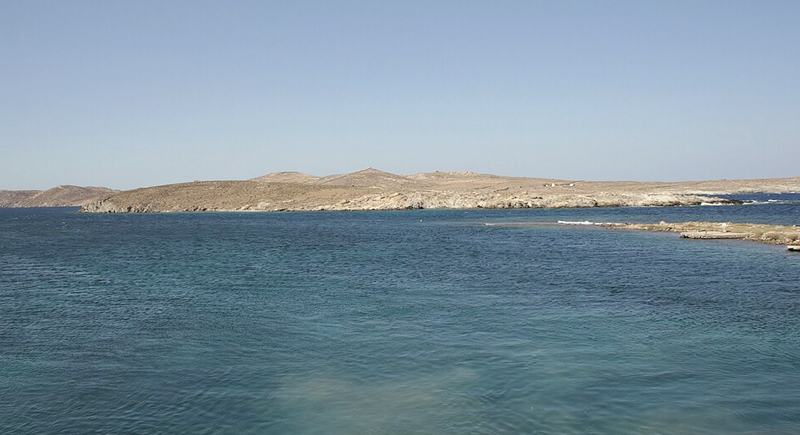
Rhenea, Greece (Designated Site for Delos’ Death Ban)
Credit: Wikimedia Commons
When Delos prohibited death and childbirth, Rhenea became the official place where both were allowed. The two islands were linked religiously and politically, so graves were removed from Delos and reburied on Rhenea. Those nearing death or childbirth were transferred there, reflecting classical Greek ideas about ritual purity and where life events were permitted to occur.
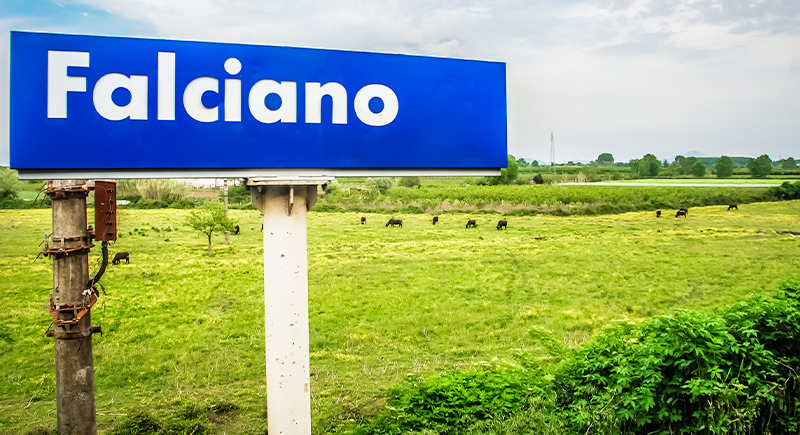
Falciano Del Massico, Italy
Credit: iStockphoto
In 2012, the mayor of Falciano banned death after a cemetery dispute with neighboring Mondragone made local burials impossible. The ban was a legal fiction intended to highlight the shortage of burial space. Eventually, negotiations led to a resolution, but the decree drew national attention for its blunt approach to a municipal impasse.
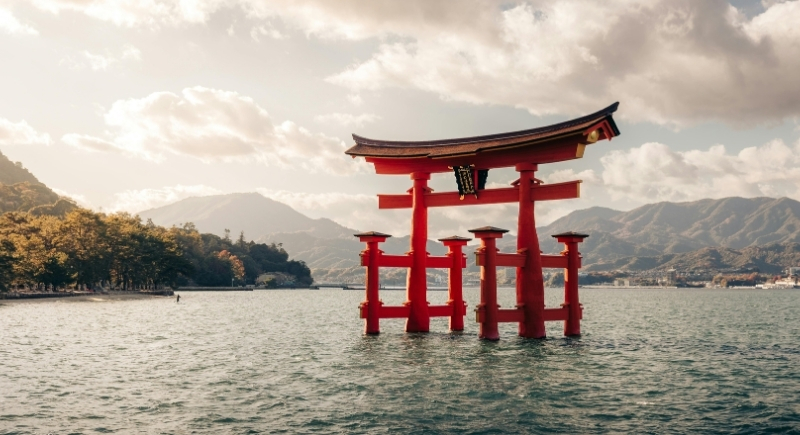
Itsukushima, Japan
Credit: pexels
Famous for its “floating” torii gate, this sacred island avoided both birth and death for centuries. In Shinto belief, each was seen as spiritually impure, so even samurai were relocated before they died. The ban ended in 1868; yet, the island still lacks cemeteries, hospitals, or places associated with birth or death.
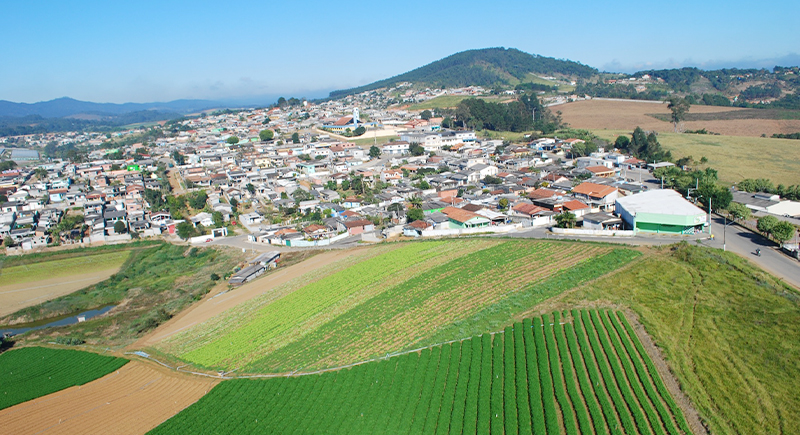
Biritiba Mirim, Brazil
Credit: Instagram
This small town’s cemetery ran out of space in 2005, and environmental rules blocked expansion. In response, the mayor proposed a law banning residents from dying. The move forced state officials to reconsider restrictions. Eventually, new land was approved. Until then, everyone was expected to stay alive, at least legally.
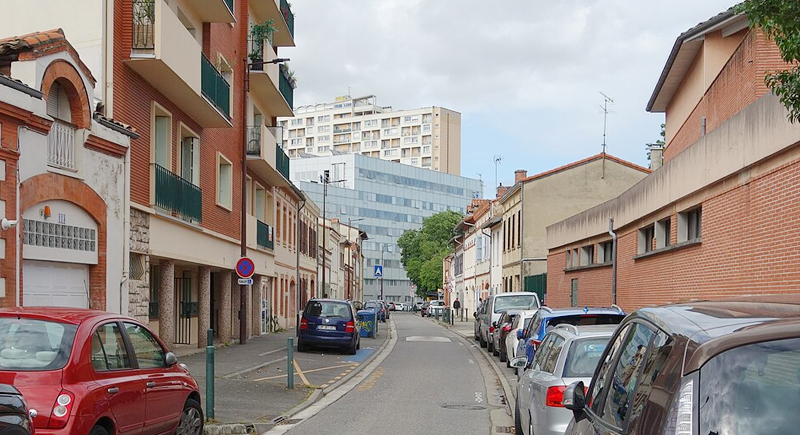
Cugnaux, France
Credit: Wikimedia Commons
In 2007, after cemetery plans were blocked by regional authorities, Cugnaux’s mayor banned death within city limits. The decree was written less as legislation and more as a media tactic. It worked. News coverage spread fast, pushing higher-ups to take the space shortage seriously. Locals, understandably, did not treat the ban as binding.
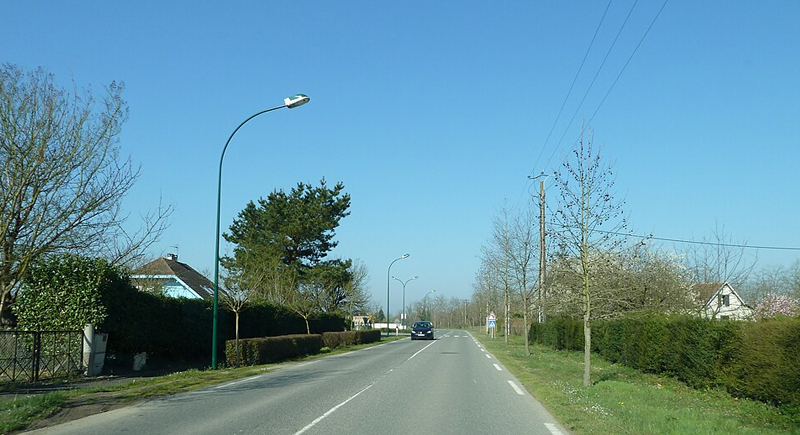
Sarpourenx, France
Credit: Wikimedia Commons
In 2008, the mayor of Sarpourenx issued a decree that not only banned death but also threatened violators with punishment. The satire was intentional. Like in Cugnaux, the issue was a lack of cemetery space and blocked expansion plans. The decree gained wide media attention, serving its purpose as a protest against inaction.
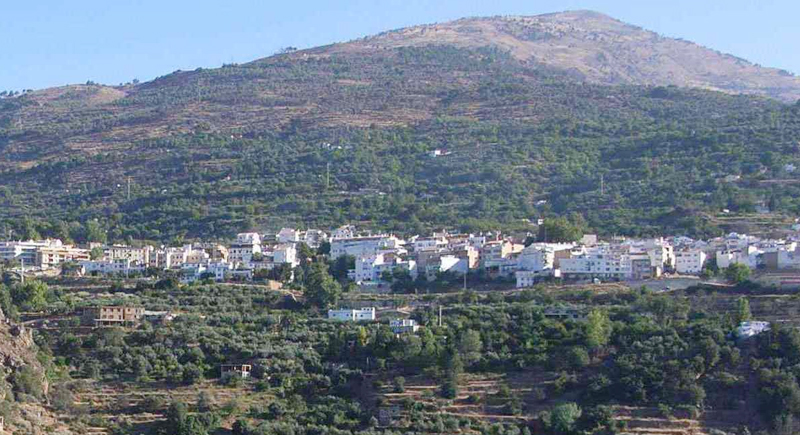
Lanjarón, Spain
Credit: Wikimedia Commons
Lanjarón passed a mock prohibition on dying in 1999 after its cemetery reached capacity and efforts to secure new land stalled. The move was modeled after similar symbolic bans in France and Brazil. Though never enforced, it helped accelerate official discussions to resolve the burial space shortage.