10 Plants That Are Actively Trying to Kill You
Everyone says fresh air is good for you. It’s why we head to gardens when we want to clear our heads or reset after a long day. The bright flowers, leafy shrubs, and tall green stems are marketed as beneficial and may seem harmless, but some of them are anything but.
Some plants growing in ordinary yards carry chemicals strong enough to stop a heart, shut down breathing, or leave skin blistered for weeks. The challenging part is that they look ordinary, which makes the risk easy to overlook.
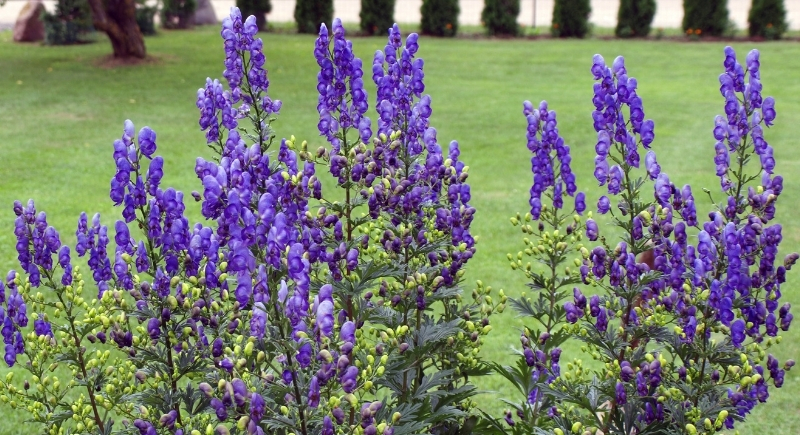
Monkshood
Credit: Getty Images
A plant known as the “Queen of Poisons” is enough to scare anyone, and monkshood earned that name for a reason. It consists of aconitine, a toxin that can pass through intact skin, so touching it could be dangerous. Exposure usually begins with sudden numbness before the heart fails.
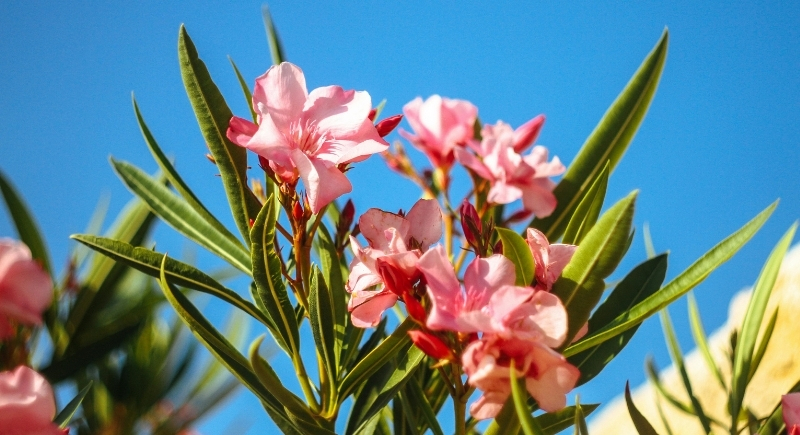
Oleander
Credit: pexels
Landscapers value oleander for its resilience in heat and poor soil. Beneath that toughness, however, there’s a high concentration of cardiac glycosides. These compounds disrupt the electrical signals that regulate the heartbeat. This is why ingesting leaves, flowers, or stems may slow the heart dramatically and lead to failure.
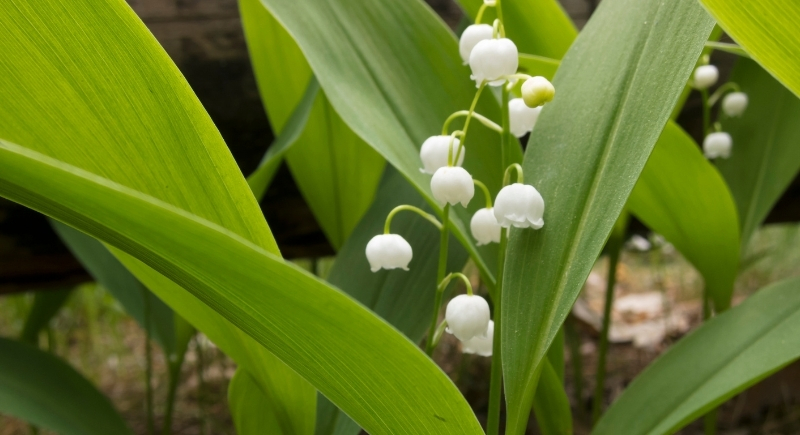
Lily Of The Valley
Credit: Getty Images
It is not unusual for wedding bouquets to include lily of the valley, as it is valued for its delicate white bells and subtle fragrance. Its familiar presence can obscure the fact that the plant has around thirty cardiac glycosides. After handling it, it’s important to wash your hands thoroughly and keep stems out of reach of children and pets, as swallowing any part of the plant may lead to nausea and irregular heartbeat.
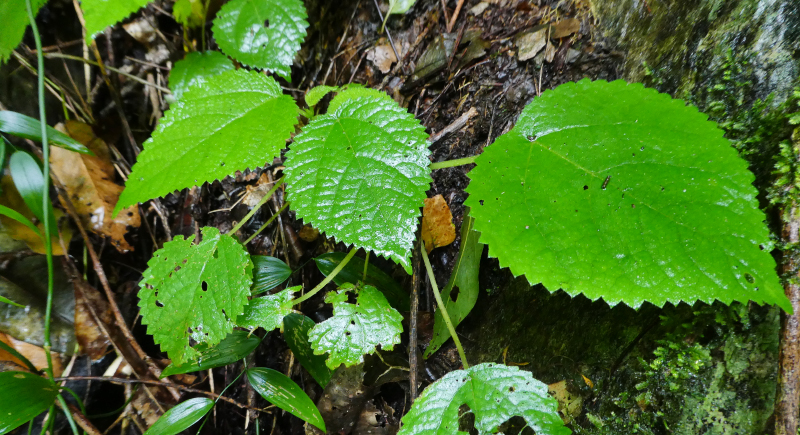
Gympie-Gympie
Credit: Wikimedia Commons
Contact with Gympie-gympie does not rely on ingestion at all. Its fine silica hairs cover the leaves and stems. These microscopic needles pierce the skin and inject a neurotoxin. As a result, you might experience pain that possibly lasts for months and is reactivated with temperature changes or touch.
Castor Bean
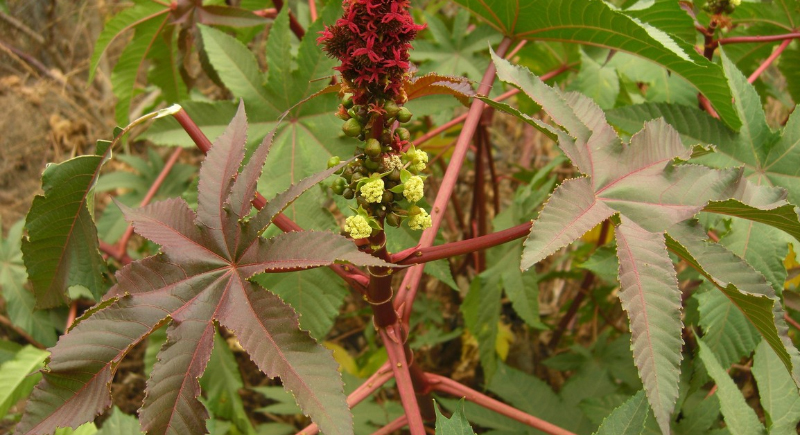
Credit: Wikimedia Commons
The castor bean plant has spiky seed pods, and each seed contains ricin, one of the most potent plant toxins known. It blocks protein production in cells, which prevents the body from repairing or maintaining vital tissues. Even an extremely small amount can be lethal.
Poison Ivy
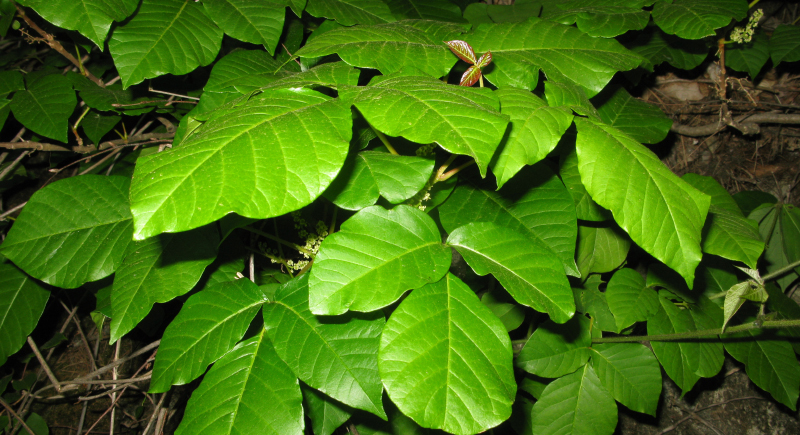
Credit: Wikimedia Commons
You may remember going on a camping trip and coming home with an itchy rash. That is often the work of poison ivy. You can identify it by looking for clusters of three leaflets, though the plant may grow as a trailing vine, climbing vine, or upright shrub. It produces urushiol, an oily compound that binds quickly to skin. Washing exposed areas within minutes can reduce the reaction.
Jimson Weed
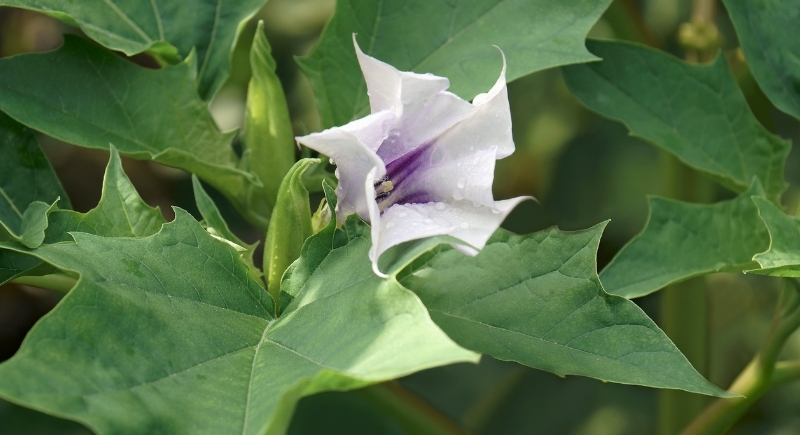
Credit: Getty Images
People who come in contact with jimson weed, especially after consuming parts of the plant, can experience hallucinations, delirium, a racing heartbeat, and dangerous overheating. These symptoms occur because it carries toxic alkaloids that interfere with normal brain signaling and disrupt the body’s ability to regulate temperature and heart rate.
Water Hemlock
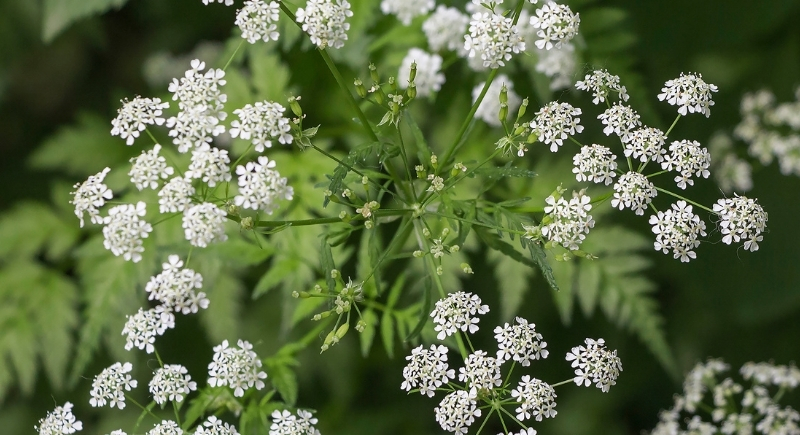
Credit: Getty Images
Water hemlock is often mistaken for edible plants in the carrot family because it grows clusters of small white flowers that look similar. A key warning sign is its smooth, hollow stem, streaked with reddish-purple markings. Every part of the plant contains powerful toxins. Swallowing even a small amount can cause seizures and respiratory paralysis within hours. Direct skin contact may also trigger irritation or reactions.
Foxglove
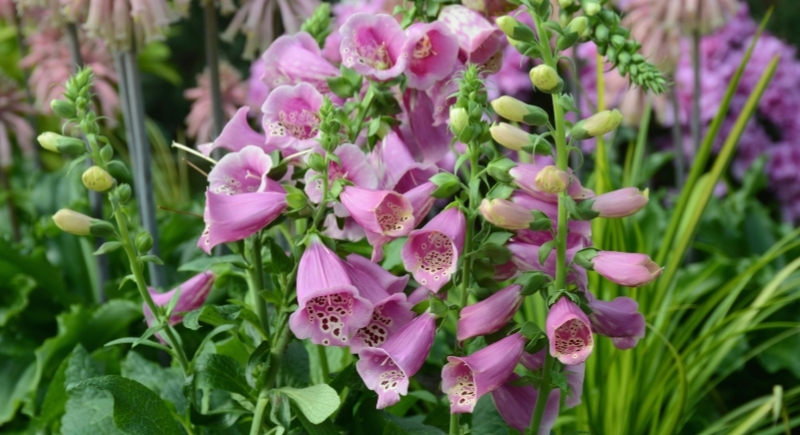
Credit: pexels
Usually found in cottage gardens, foxglove draws attention with its tall spikes of bell-shaped flowers. The plant contains compounds used to make digitalis medications that treat heart failure under strict medical supervision. Outside that setting, consuming any part of foxglove poses a serious risk. Early symptoms often include nausea, dizziness, vomiting, and diarrhea.
Giant Hogweed
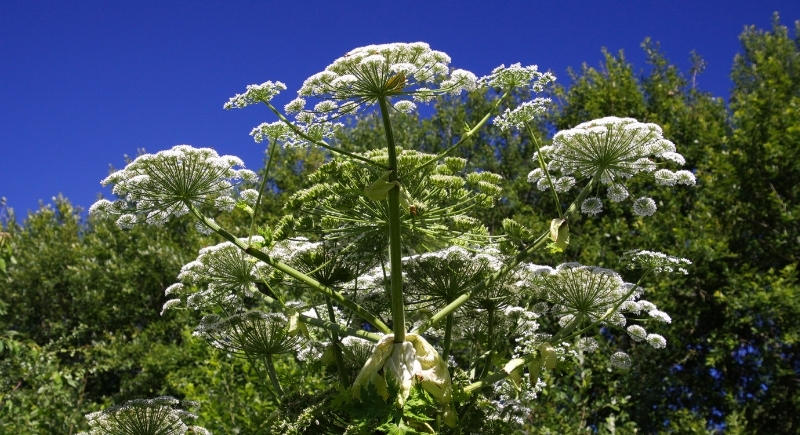
Credit: Getty Images
Avoid snapping the stems or crushing the leaves of giant hogweed. It releases furocoumarins when damaged, and these chemicals make skin extremely sensitive to sunlight. If exposure occurs and the area is exposed to sunlight, severe blistering can develop that resembles a deep burn. Symptoms may begin within 15 minutes and can leave lasting scars.