Creepy Things Found Preserved in Ice Around the World
Scientists and explorers have brought to light bodies, ancient microbes, and hidden terrain locked beneath layers of ice across the planet. These discoveries show how extreme cold can halt decay and maintain fragile details that would normally disappear.
As glaciers continue to move and melt, more of these well-preserved remains are emerging and revealing life forms and phenomena that existed long before modern observation began.
Lake Vostok Microbes
Credit: NBC News
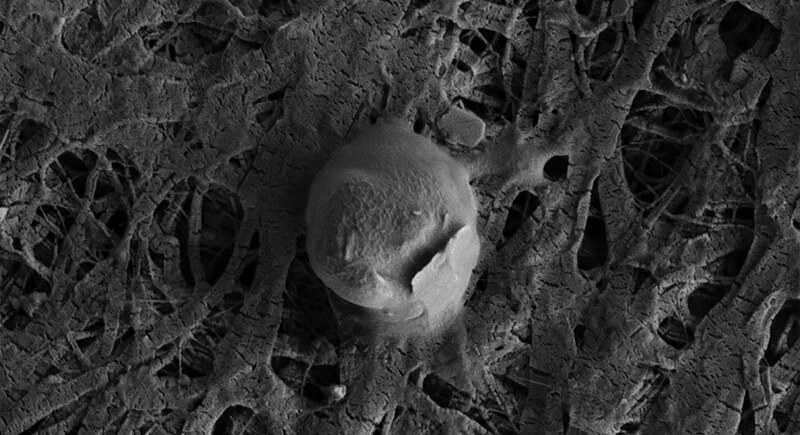
In Antarctica, researchers drilled through thick ice to reach samples linked to Lake Vostok. Analysis suggested the presence of thousands of microbial species living in isolation. These organisms appear to survive without sunlight and rely on limited resources trapped in the environment.
Allan Hills 84001 Meteorite
Credit: Wikimedia Commons
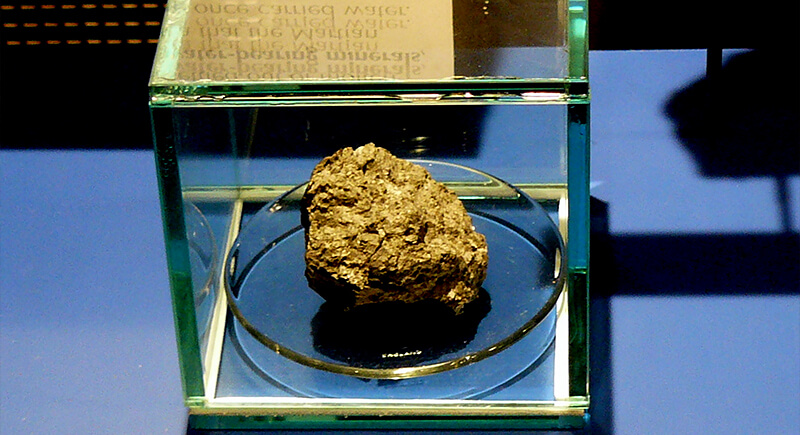
If you are interested in information about Mars, Allan Hills 84001 stands out as a major area of study. Discovered in 1984 in Antarctic ice, this meteorite formed over four billion years ago. Upon analysis of its structure, gases were identified that match those of the Martian atmosphere. Later studies identified microscopic fossil traces within the rock.
Gamburtsev Mountains
Credit: Youtube
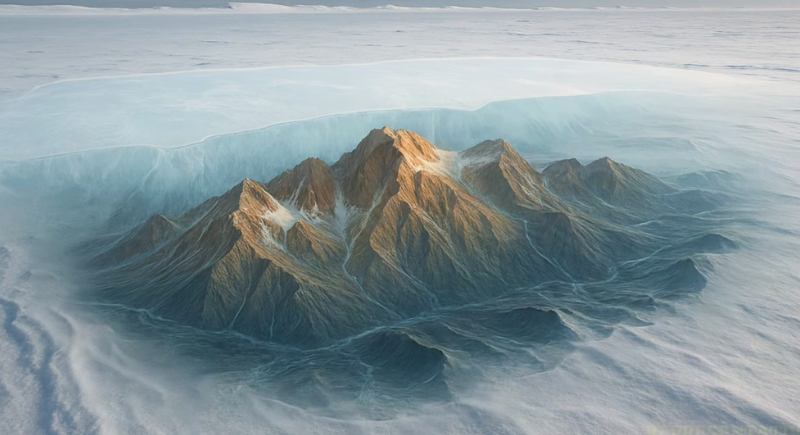
The Gamburtsev Mountains stretch for hundreds of miles and rise to impressive heights, but no one has seen them directly. Ice has covered them for millions of years, which is why ongoing studies into this phenomenon aim to uncover how these formations developed and have remained intact.
Children Of Llullaillaco
Credit: Wikimedia Commons
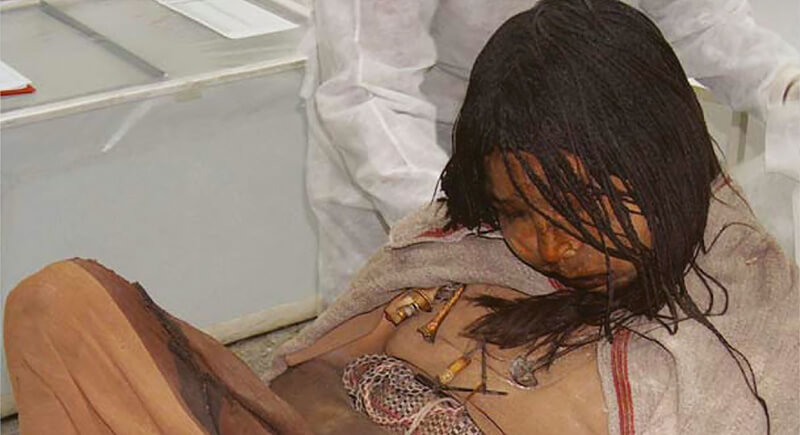
One chilling discovery from under the ice came in 1999 near the summit of Llullaillaco, where the bodies of three children had been preserved. It was revealed that they had been buried as part of an Incan ritual centuries ago. Testing further revealed alcohol and coca in their systems, which pointed toward sedation before the loss of their lives.
Yuka the Mammoth
Credit: Wikimedia Commons
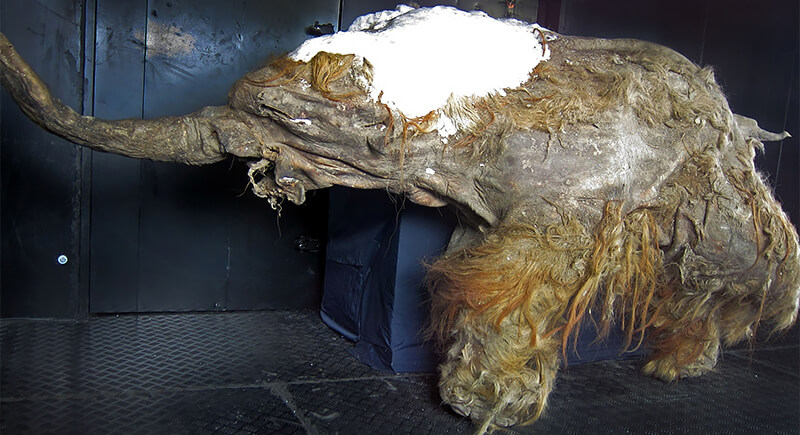
We all know mammoths belong to a distant past, but no one expected one to be found frozen for around 39,000 years. Even after all this time, the body retained skin, hair, and clear facial features, which are uncommon in fossil discoveries. The specimen, known as Yuka, is now displayed in Moscow and continues to support research into Ice Age animals and ancient environments.
Fox Glacier Body
Credit: NZ Police
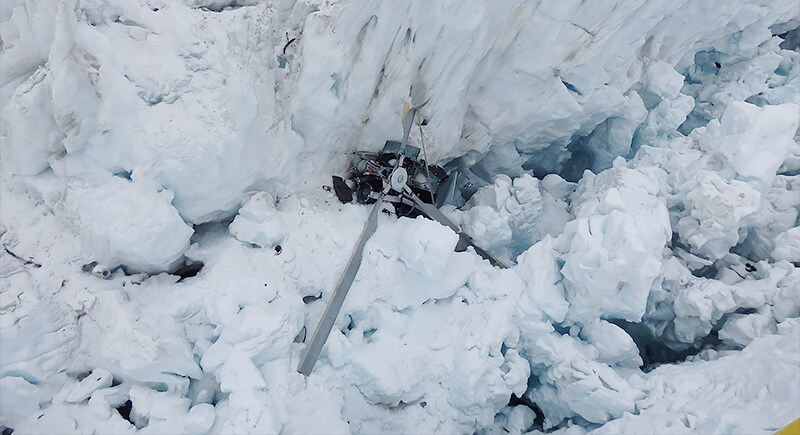
A hiker exploring New Zealand’s Fox Glacier came across a body trapped inside a crevasse in 2017. Authorities investigated and identified the person as a victim of a helicopter crash that occurred two years earlier. Experts estimated the timeframe based on the body’s position within the ice.
Andrée Arctic Expedition
Credit: Wikipedia
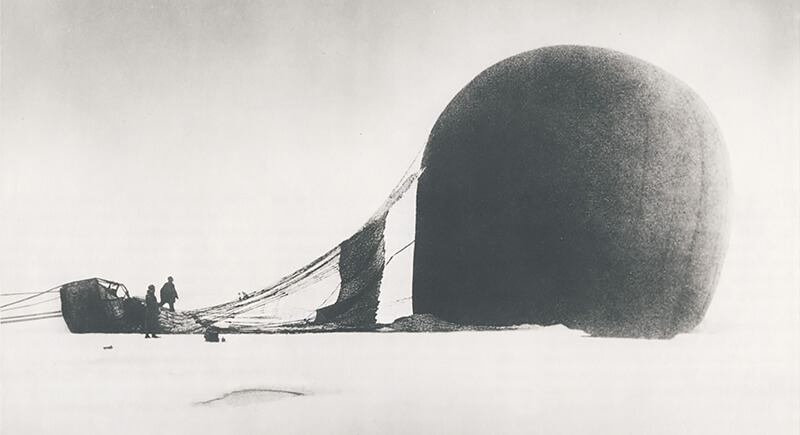
Back in 1897, a team led by S. A. Andrée set out to reach the North Pole by hot-air balloon. The expedition failed shortly after launch, and the group disappeared without a trace. In 1930, their bodies were discovered in the Arctic. Alongside the bodies, researchers recovered photographic film. These images documented their journey and revealed details about their final months.
Zeleniy Yar Mummy Head
Credit: dailystar
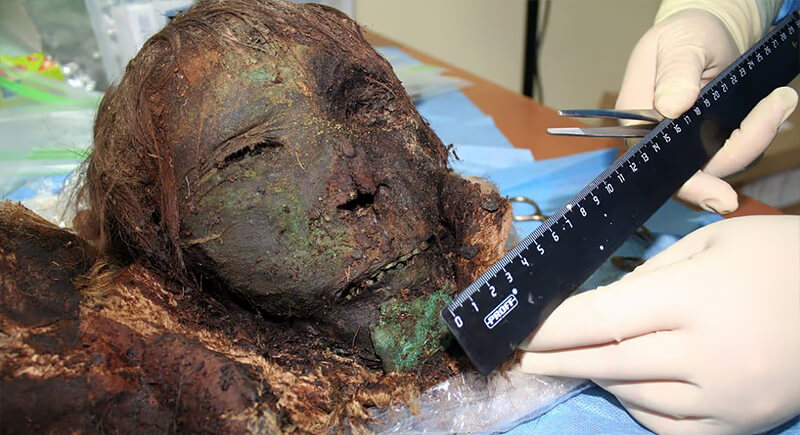
Salekhard is a remote town in northern Russia, located near the Arctic Circle and known for its extreme climate. A burial site containing unusual mummified remains was uncovered there during some excavation work. Part of this discovery included a female head estimated to be about 900 years old. Hair and eyelashes were visible during examination.
Franklin Expedition Bodies
Credit: H.E. Bulstrode
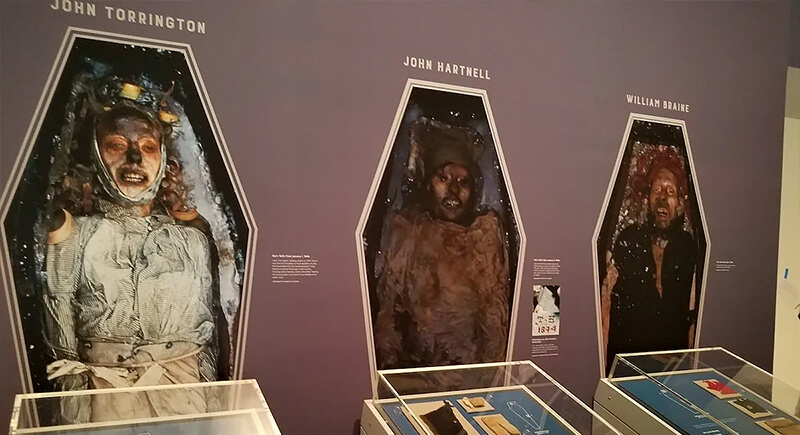
You may have studied the Franklin Expedition in school as one of the most tragic Arctic explorations. On that note, three sailors were exhumed who had been previously buried on Beechey Island in 1984, more than a century after their passing. Scientists conducted detailed examinations to understand possible causes of death, including illness and harsh environmental conditions.
Blood Falls
Credit: Wikipedia
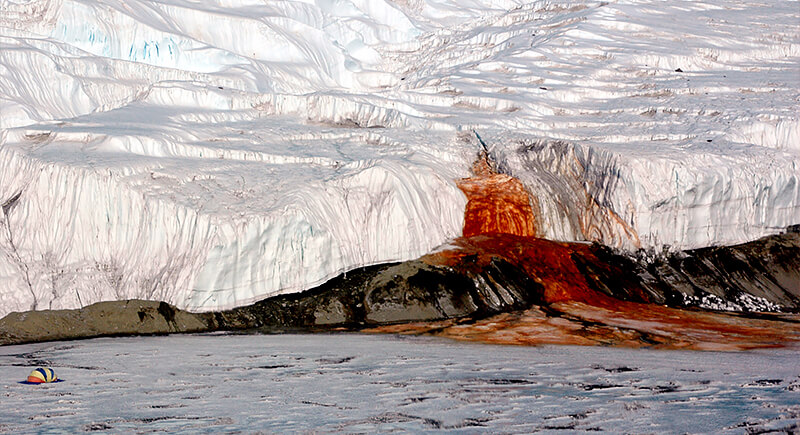
In Antarctica, a striking red flow pours from the Taylor Glacier into Lake Bonney. This feature, known as Blood Falls, was first observed in 1911 by geologist Griffith Taylor. Early explanations pointed to algae, but later data confirmed the color comes from iron-rich saltwater oxidizing upon contact with air.