
Three on-the-ground tells I use to spot artisan collaborations that share tools, risk, and credit, not just a label swap.
The shared workbench test
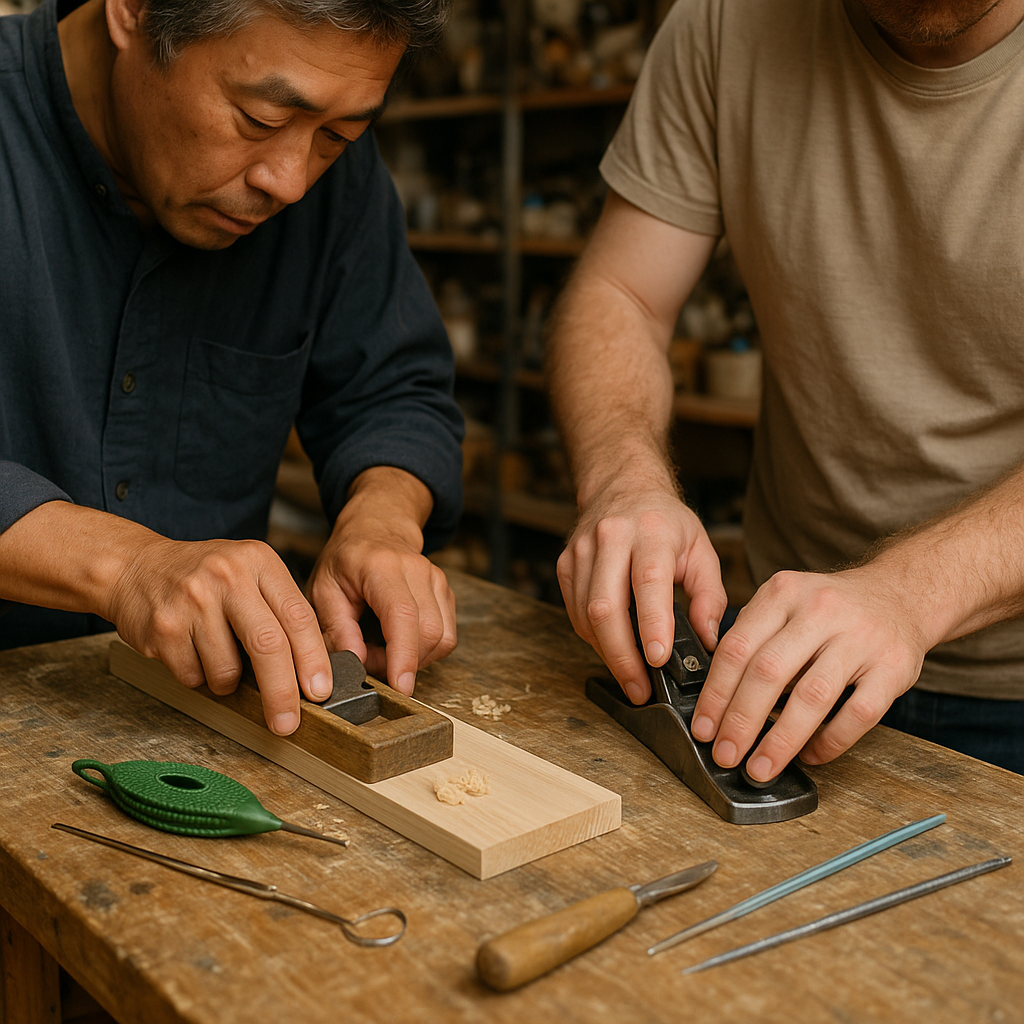
I used to get fooled by the neat story cards. You know the ones: two smiling makers, a paragraph about tradition, a price tag that suggests everyone got paid fairly. Then I started paying attention to the tables, not the signage. When a cross-cultural collaboration is real, the workspace looks like it has been lived in by more than one set of habits. The good kind of “mixing” is visible: a Japanese kanna plane set down next to a battered Western block plane; a tatting shuttle sharing space with a crochet hook; a clay trimming tool sitting beside a tiny glass rod used for lampworking. Not museum-clean, not posed. Just mid-process.
Ask a simple question that forces process detail: “Where did you do the first prototypes?” If the answer is a vague “we worked together,” that can mean anything from a single Zoom call to months in the same studio. The better answer sounds like a person trying to remember the annoying parts: the day the humidity wrecked the wood glue, the time the kiln schedule meant the metal fittings had to wait, the argument about whether the seam should be visible or buried. I once watched a weaver and a leatherworker swap roles for five minutes because the leatherworker couldn’t stop pulling the warp too tight. That kind of awkward, hands-on learning is hard to fake.
One more tell: do they show the jigs. Collaboration that survives tourism pressure usually has fixtures and templates because repeatability is how you avoid turning into a one-off demo act for passing tour groups. If someone can pull a scratched plywood pattern off a wall and explain why it exists, you’re looking at a partnership built to keep making, not just selling.
Follow the materials trail, not the flag story
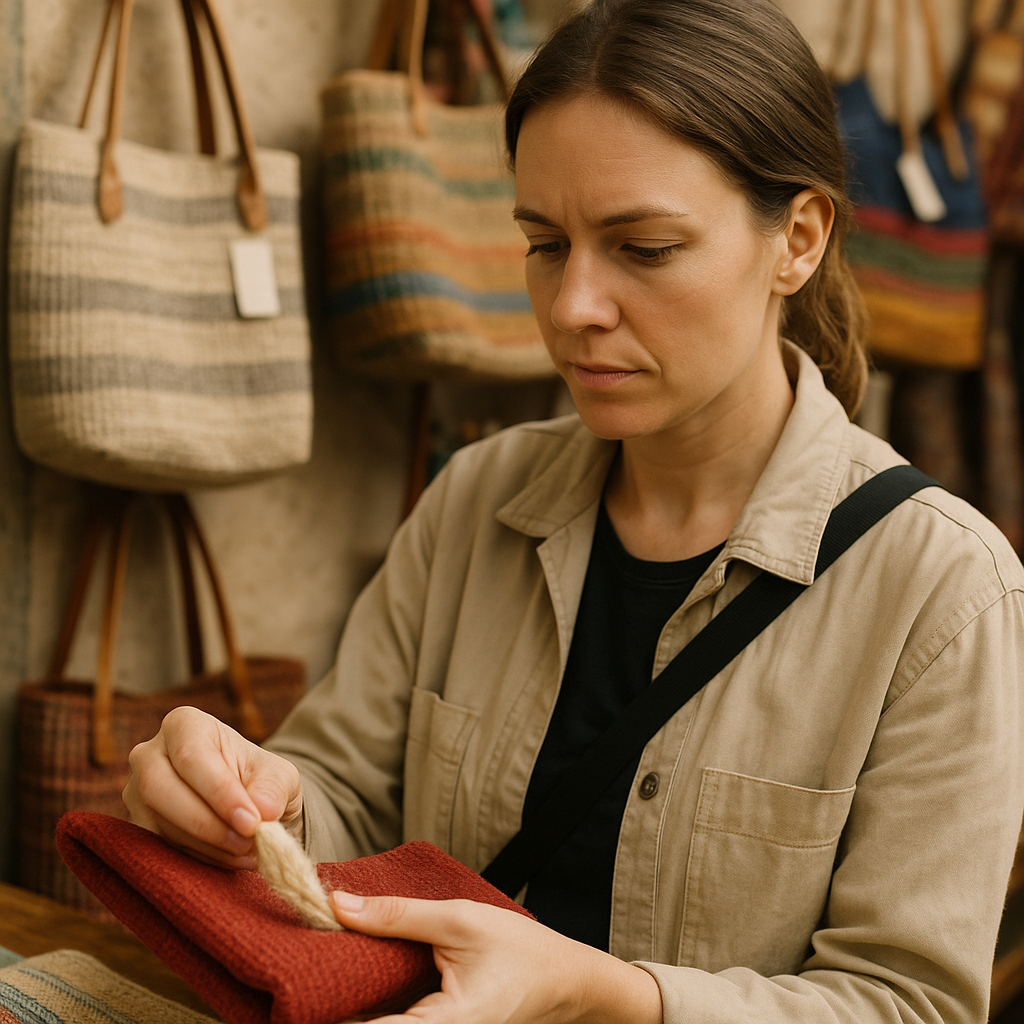
Tourism has a funny way of turning origin into decoration. I’ve stood in shops where “from the mountains” was printed in three languages, while the actual material was a generic import that could’ve come from anywhere. When I’m trying to understand whether a cross-cultural artisan collaboration is supporting local making or just borrowing it, I stop asking “where are you from?” and start asking “what are you using?”
Get specific. If it’s textiles, ask what the fiber is and where it was spun. A maker who’s truly collaborating across regions can usually tell you whether the yarn is woolen-spun or worsted-spun, whether it pills, and what they did about it. If it’s wood, ask what finish they settled on and why. Tung oil behaves differently than polyurethane, and people who’ve done the testing will have an opinion that’s more than “it’s natural.” If it’s metalwork, ask whether the hardware is brass, bronze, or plated, because the patina story changes. You don’t need to interrogate them like customs, but you can nudge the conversation toward the unglamorous choices that keep an object from falling apart.
The collaborations I trust usually have a materials compromise baked in. A dyer might want a color that reads under bright market lights, while a traditional weaver cares how it looks in shade. A basket maker might need reed that bends without cracking, while the partner doing leather handles needs edges that burnish cleanly. Those are not poetic problems. They’re sourcing and testing problems, and they cost money.
Here’s the practical payoff as a buyer: when you understand the materials trail, you can judge the price without the guilt-trip marketing. If the pair can explain why they chose a certain glaze because it survives restaurant dishwashers, or why the strap leather is vegetable-tanned because it takes stamping better, you’re hearing decisions that protect the craft from becoming a fragile souvenir.
Credit that survives translation (and a crowded market)
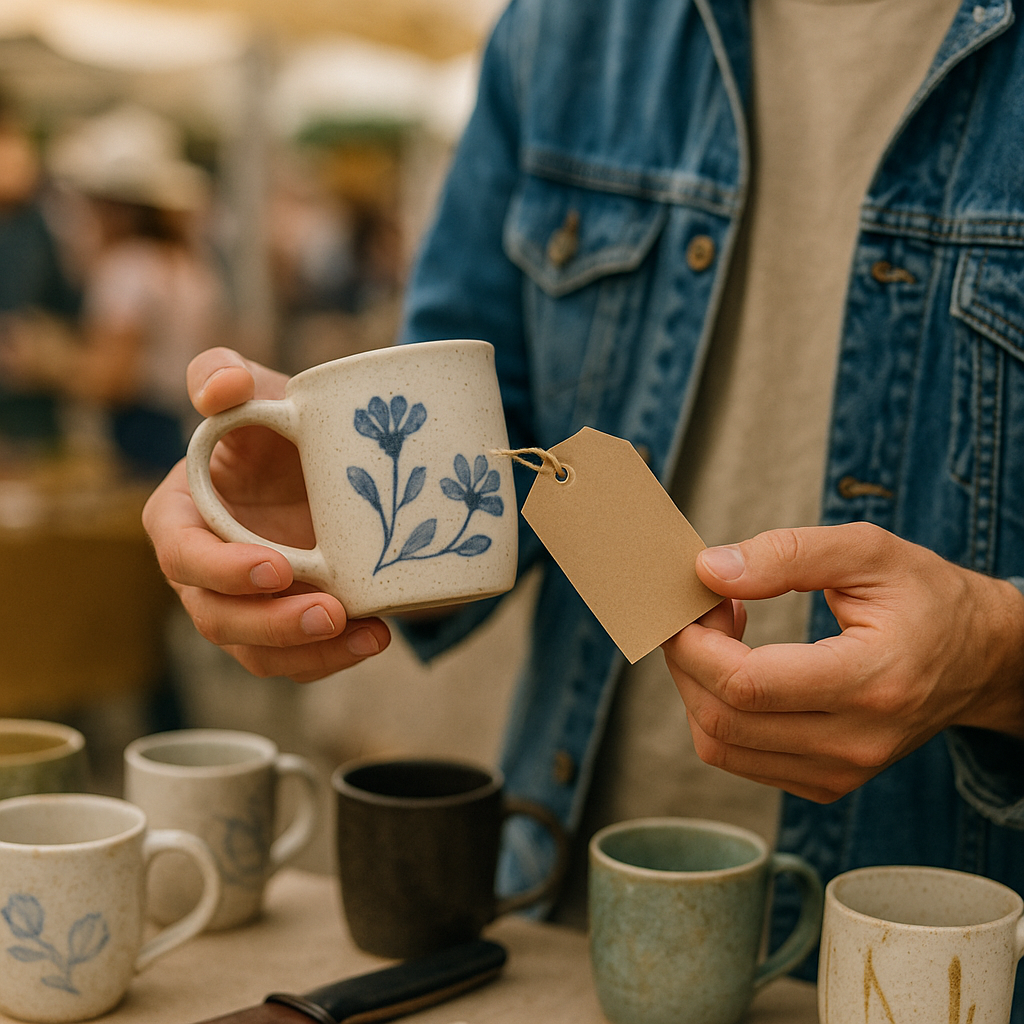
In tourist-heavy regions, credit gets slippery fast. The market stall wants one clean story, the tour guide wants a single name they can pronounce into a mic, and the shop wants a brand that fits on a tag. Cross-cultural collaborations get flattened into a logo, and that’s where the craft starts losing leverage. So I look for credit that survives being repeated by someone who isn’t part of it.
Start with the label, but don’t stop at it. Does it name both makers, or does it name a studio and leave the rest implied? When a piece is truly co-made, you’ll often see two different kinds of attribution: a maker’s mark for the person who formed the object and a second mark or hangtag credit for the partner who added the other discipline. On ceramics, that can be a stamped chop on the foot plus a card naming the illustrator who did the underglaze decals. On a knife, it might be a blade maker’s mark and a separate note about the sheath work. The detail matters because it shows the partnership wasn’t treated like an afterthought once the photos were taken.
Then listen for how they talk about the split. Not the percentage, you don’t need their contract. But do they describe responsibilities cleanly? “She throws the forms, I mix the glazes, and we both decide which pieces get the gold luster” tells me there’s shared authorship. “We help each other” tells me nothing. I’ve also learned to ask one gently annoying question: “If I need a repair in a year, who do I email?” When the answer is immediate and specific, it usually means the collaboration has an operating reality beyond a pop-up season.
Finally, check whether the credit works in more than one language. I don’t mean perfect translation. I mean the names are present, readable, and consistent across the tag, the website QR code, and the receipt. That continuity is boring, and that’s exactly why it’s valuable when tourism is loud.