Smartest Countries in the World, According to 2026 Research
Looking at average IQ scores across countries offers one way to explore how education, environment, and opportunity shape learning worldwide. The 2026 update from the International IQ Test reflects results from more than a million participants. These numbers spark curiosity, but context always matters when interpreting them.
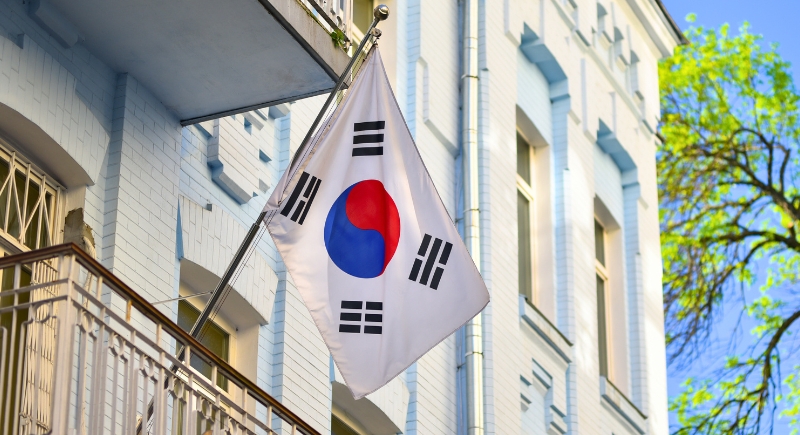
South Korea
Credit: Getty Images
Average IQ: 106.97
South Korea leads the latest 2026 International IQ Test rankings. Education there is intense and deeply woven into daily life. Many students attend hagwons after regular school hours, often studying late into the evening. Academic achievement carries real social weight, and families treat learning as a long-term investment in opportunity and stability.
China

Credit: Canva
Average IQ: 106.48
China ranks just behind South Korea in the 2026 update. The education system is highly competitive, especially given the Gaokao’s role in shaping university paths. Strong national focus on math, science, and technology continues to influence outcomes. Government support for research and innovation also plays a visible role in shaping academic performance.
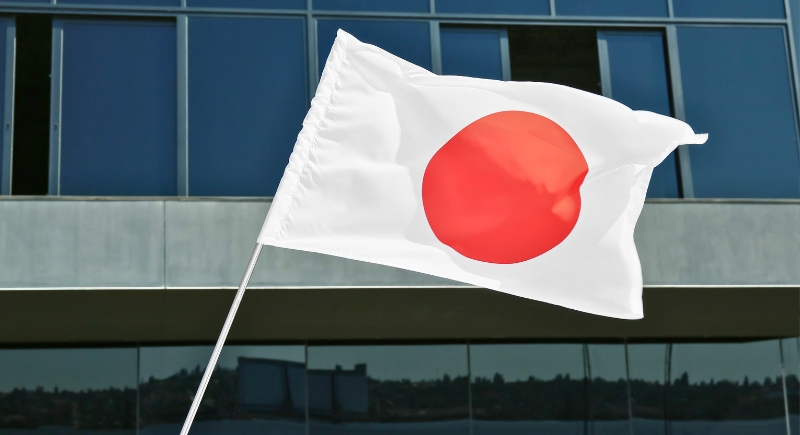
Japan
Credit: pixelshot
Average IQ: 106.30
Japan remains near the top in the 2026 rankings. Schools emphasize discipline, structure, and problem-solving from an early age. Students build strong foundations in math and science, and those skills often connect directly to the country’s technology-driven economy. Classrooms balance routine with hands-on learning in thoughtful ways.
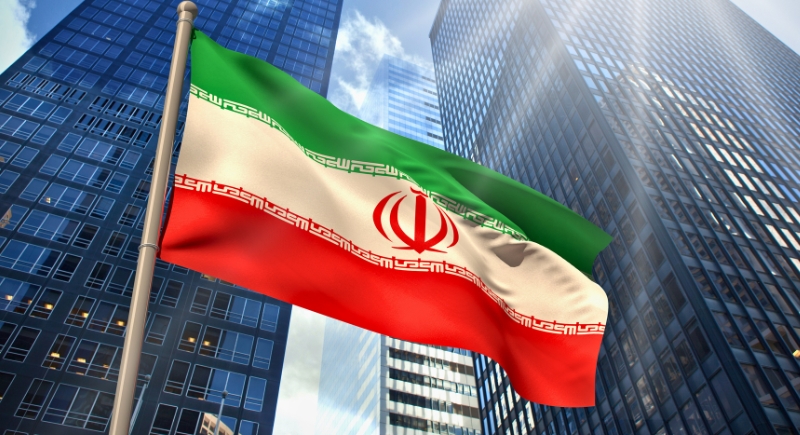
Iran
Credit: Getty Images
Average IQ: 104.80
Iran appears among the higher-scoring nations in the 2026 data. Students have earned recognition in international math and science competitions over the years. Despite economic pressures, many families place serious value on academic success. Universities continue producing strong graduates in engineering and technical fields, keeping education a national priority.
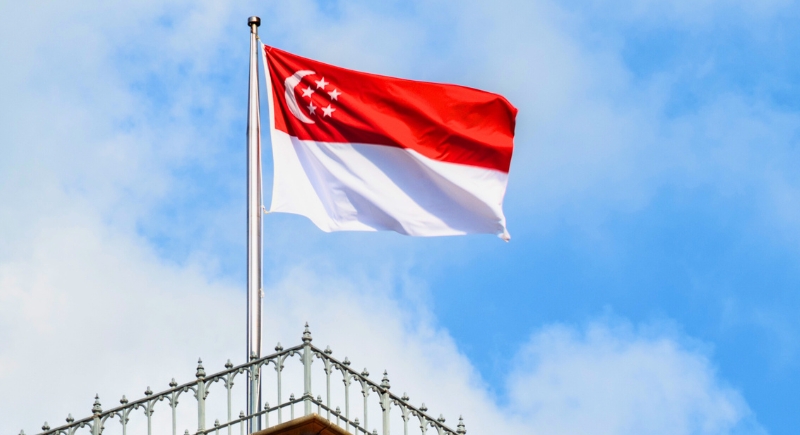
Singapore
Credit: Getty Images
Average IQ: 105.14
Singapore builds smart minds with smart systems. Their teachers get world-class training, and lessons focus on depth over memorization. Kids learn problem-solving early, and every school follows strict national standards. The results show up in global rankings and innovation stats.
Russia

Credit: Getty Images
Average IQ: 103.16
Russian students grow up solving equations that stump others. The country keeps a strong focus on physics, engineering, and analytical subjects. But what’s more interesting is that they’ve included chess in school learning for many kids.
Mongolia

Credit: flickr
Average IQ: 102.86
Mongolia doesn’t let distance limit education. Solar-powered tech brings lessons to remote areas, and kids in rural schools use tablets to access math and science content. The country’s deep respect for knowledge drives learning, even in areas without internet or electricity.
Armenia

Credit: Getty Images
Average IQ: 102.58
Education is taken seriously in Armenian culture. Even with limited resources, schools emphasize logic, reasoning, and problem-solving. Many families look to global learning tools and support from the Armenian diaspora to enhance education. Students often speak multiple languages and study abroad.
Australia

Credit: Getty Images
Average IQ: 102.57
Australia’s classrooms look a bit different from regular schools. Students explore, question, and collaborate to boost critical thinking. Schools receive strong public funding, and universities lead in climate science, medicine, and more. The system focuses on real-world thinking and lifelong learning.
Spain

Credit: Getty Images
Average IQ: 102.3
Spain has shifted gears in the last decade. Education reform now focuses on creativity, digital skills, and bilingual learning to divert from baseless memorization. Students gain exposure to both traditional subjects and newer tech-based ones. These changes help boost performance without relying on test pressure alone.
New Zealand

Credit: flickr
Average IQ: 102.08
The education system in New Zealand isn’t based on a one-size-fits-all structure. Teachers personalize lessons, and students take the lead in their learning. The country combines modern techniques with indigenous Māori knowledge. This balance creates flexible thinkers who know how to problem-solve and adapt.
Sri Lanka
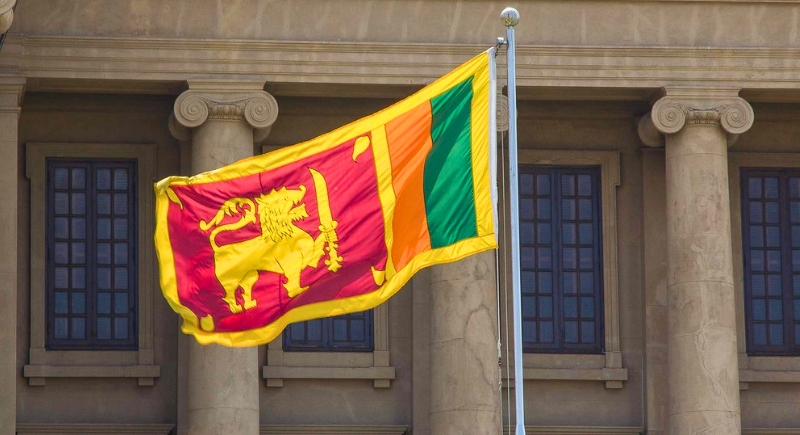
Credit: flickr
Average IQ: 102.02
Sri Lanka made education a national priority by making public schooling free through university. The country has a high literacy rate, even in rural areas. New programs in tech education and language learning help students compete in a global economy.
Slovenia
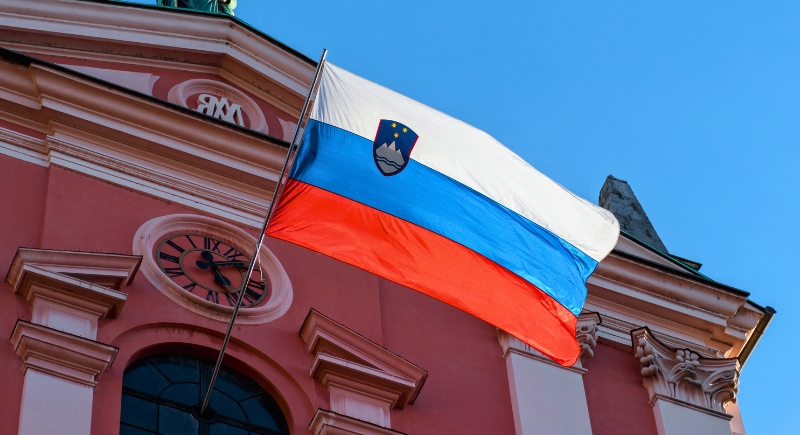
Credit: Getty Images
Average IQ: 101.96
Slovenia may be small, but it has a mighty school system. Students participate in science fairs, math contests, and logic challenges. The country has strong academics and focuses on creative learning. Most students move on to higher education with a solid foundation.
Canada
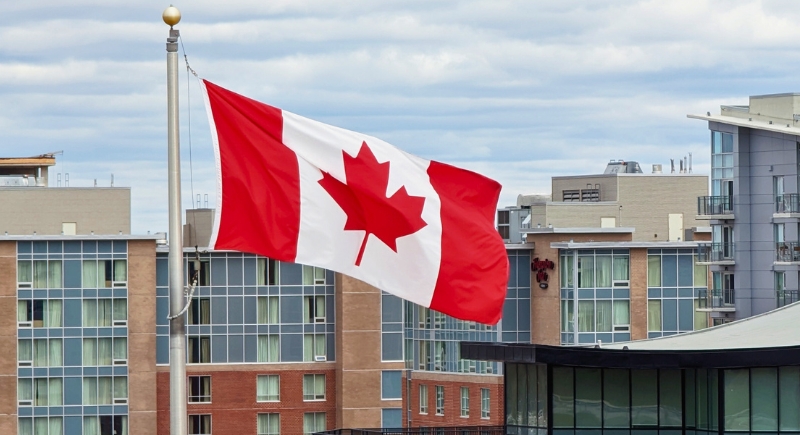
Credit: pexels
Average IQ: 101.65
The Canadian system values diversity and critical thinking. Students often grow up speaking more than one language. Teachers focus on curiosity and real-world skills. Its strong public schools and world-class universities help Canada deliver well-rounded learning.
Thailand
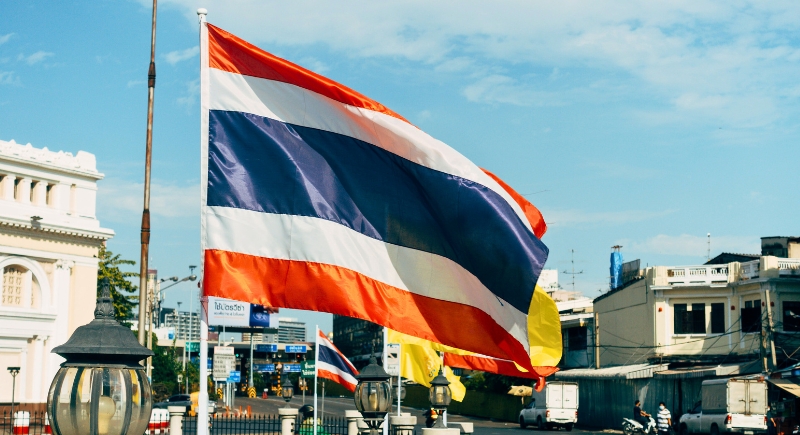
Credit: pexels
Average IQ: 101.52
Thailand is in the middle of a major education upgrade. Kids now learn coding and robotics in school, and teachers are getting new training to match the shift. Rural areas receive tech tools and internet access. The goal is to close learning gaps and raise national performance.