10 U.S. State Parks That Are Better Than National Parks
America’s national parks recorded about 325.5 million visits in 2023, and that popularity often results in crowded trails and full parking lots. On the other hand, many state parks offer equally impressive landscapes with fewer visitors. Campgrounds often cost around $15 to $35 per night, and some parks even offer free entry days. With open trailheads and less congestion, these state parks make a strong case for choosing them over the busiest national park destinations.
Letchworth State Park
Credit: Wikimedia Commons
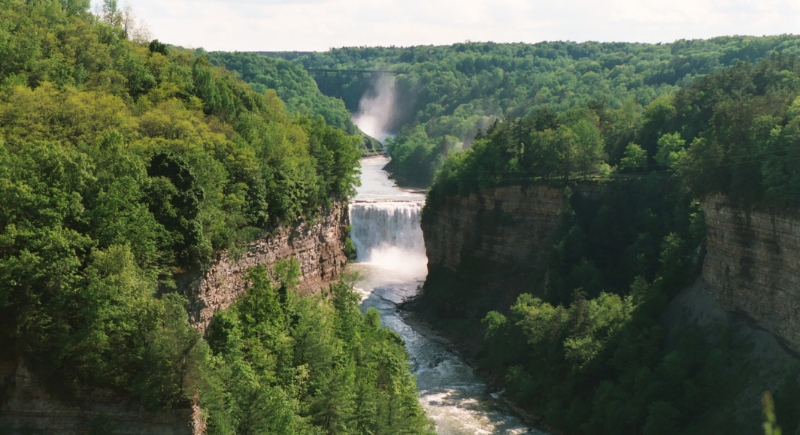
Western New York is not usually associated with canyons, but Letchworth State Park spans about 7 miles along a deep gorge carved by the Genesee River. The three major waterfalls define the landscape, including the 107-foot Middle Falls. The 16-mile Gorge Trail follows the rim with several overlooks, picnic areas, and seasonal food stands. For a quieter experience, a section of the Finger Lakes Trail also passes through the park and offers a more remote hiking route.
Watkins Glen State Park
Credit: Wikimedia Commons
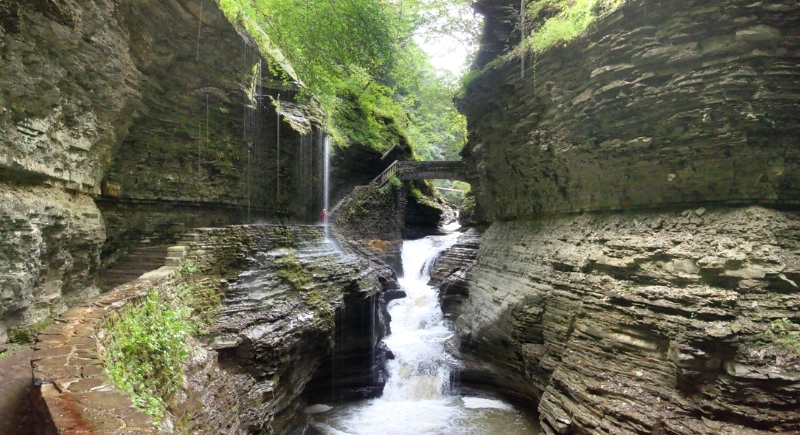
About an hour from Letchworth, the scenery shifts into a narrow, almost storybook gorge. Watkins Glen’s main trail is just two miles long, but it passes 19 waterfalls that drop a combined 400 feet. Stone staircases and carved tunnels with arched bridges travel through the rock. Moreover, water often drips across the pathway in summer. Campgrounds within the park offer tent and RV sites, and the village of Watkins Glen is about 10 minutes away, with hotels and restaurants.
Makoshika State Park
Credit: Wikimedia Commons
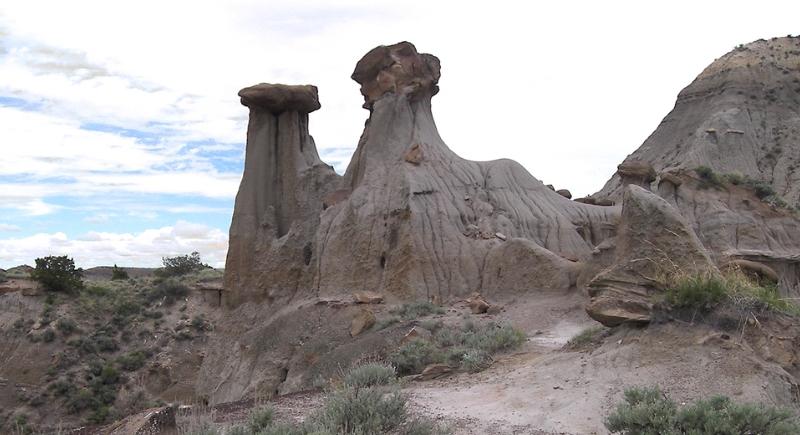
Eastern Montana looks like another planet at Makoshika State Park, which spans more than 11,500 acres of badlands. The name comes from a Lakota word meaning “bad land” or “bad earth,” a reference to the rugged terrain. Eroded mudstone and sandstone form tall spires and layered cliffs in shades of red and gray. It’s remarkable how many dinosaur fossils, including those of Tyrannosaurus rex and Triceratops, have been discovered in the area. Hiking and scenic drives also reveal wide open skies that stretch for miles.
Baxter State Park
Credit: Wikimedia Commons
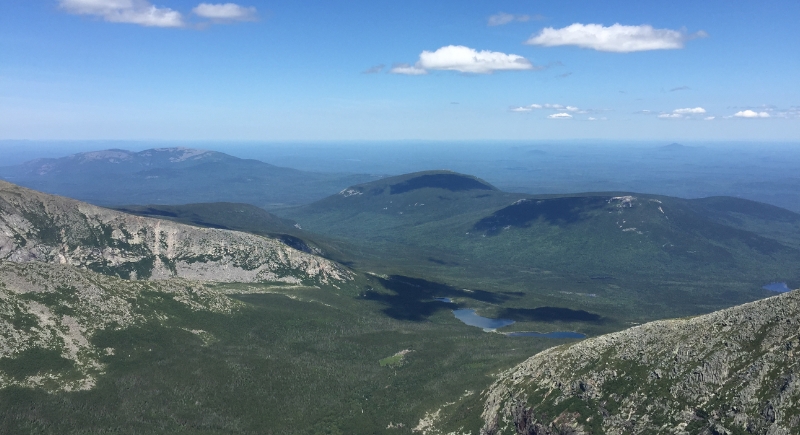
Maine goes all in with Baxter State Park. Katahdin marks the northern terminus of the Appalachian Trail, meaning thru hikers finish their 2,190-mile journey here. The Knife Edge Trail runs along a narrow ridge near the summit and requires steady footing and clear weather. The 200,000-acre wilderness, which includes Mount Katahdin at 5,269 feet, was established through land donations from Percival Baxter and still follows a back-to-basics model, limiting paved roads and providing no electricity in many camp areas.
Custer State Park
Credit: Wikimedia Commons
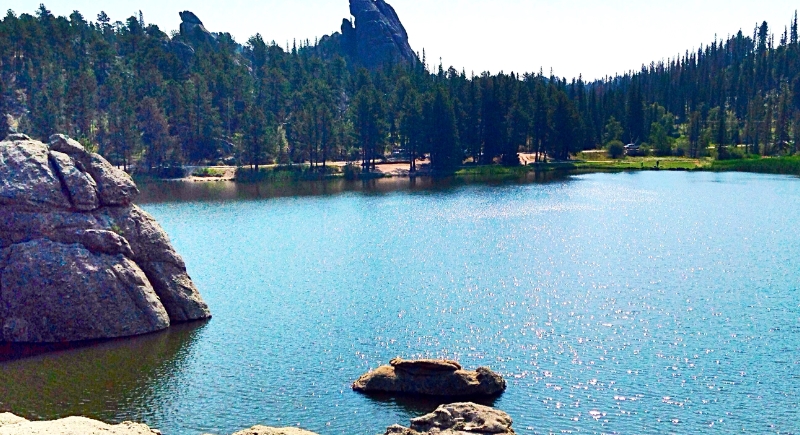
South Dakota’s Black Hills hide 71,000 acres of granite peaks, open grasslands, and one very famous herd. Custer State Park is home to around 1,300 free-roaming bison that often wander directly across scenic drives. Jeep safari tours bring visitors close to the animals with experienced guides, and the annual Buffalo Roundup each September gathers hundreds of bison in a controlled event that draws thousands of spectators.
Hocking Hills State Park
Credit: Wikimedia Commons
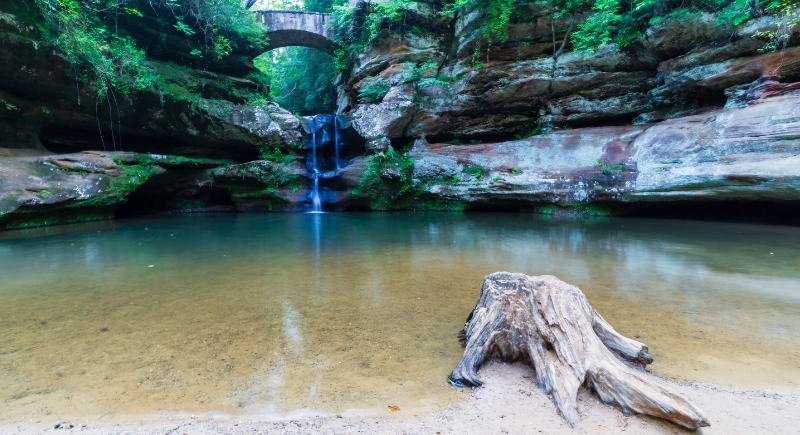
About 12 miles southwest of Logan, Ohio, Hocking Hills packs waterfalls, caves, and hemlock forests into 2,356 acres. Old Man’s Cave draws steady crowds with its rock shelters and seasonal waterfalls, while Ash Cave spans roughly 700 feet wide and ranks as one of the largest recess caves in the state. The park maintains about 25 miles of marked trails, including a wheelchair accessible path to Ash Cave. Campsites typically start around $25 per night, and cabins begin at around $100.
Ricketts Glen State Park
Credit: Wikimedia Commons
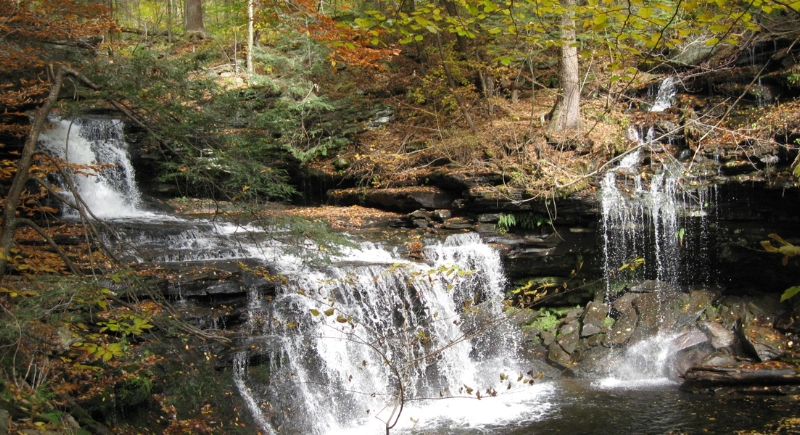
Northeastern Pennsylvania’s Ricketts Glen covers about 13,000 acres of forest threaded with 26 miles of trails. The 7.2-mile Falls Trail passes 21 waterfalls, including 94-foot Ganoga Falls, the tallest in the park. The loop involves rocky sections and elevation changes that demand proper footwear. Campsites often begin around $15 per night, and cabin rentals start at $61. It is challenging enough to feel like an accomplishment.
Dead Horse Point State Park
Credit: Wikimedia Commons
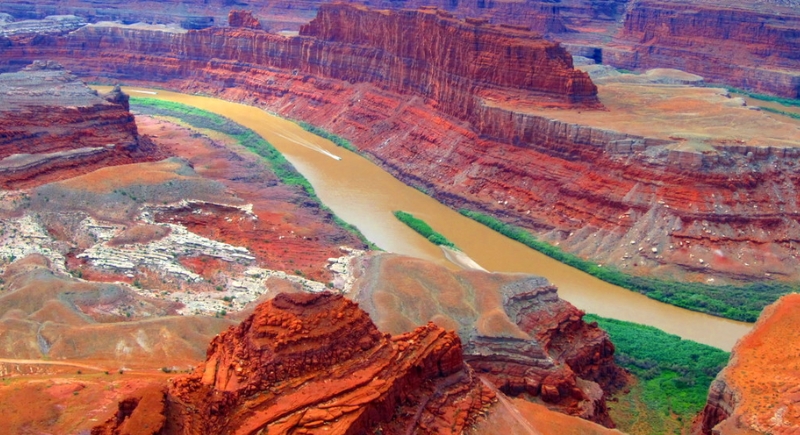
The sunsets alone here are worth the trip. Utah’s Dead Horse Point is about 2,000 feet above a dramatic bend in the Colorado River. The overlook offers a sweeping view of red-rock cliffs and layered canyons that are often compared to the Grand Canyon. Mountain bikers flock to the Intrepid Trail System, which offers miles of single track across slickrock terrain. The park holds International Dark Sky status, so on clear nights the Milky Way becomes part of the show.
Fall Creek Falls State Park
Credit: Wikimedia Commons
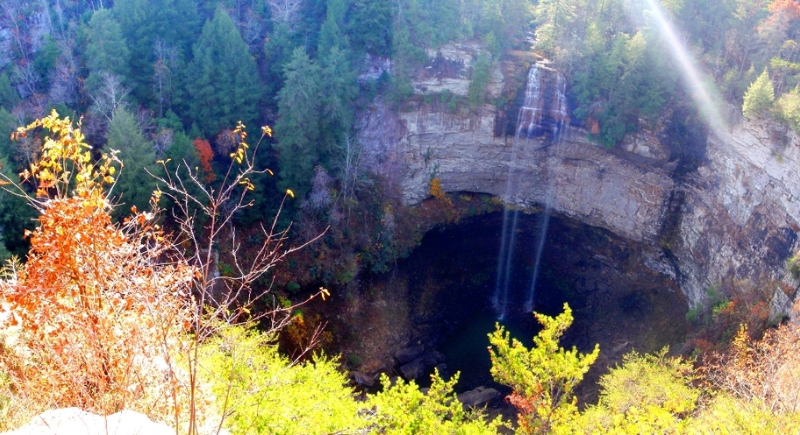
Roughly 62 miles north of Chattanooga, Tennessee, this 30,000-acre park centers on a 256-foot waterfall, one of the tallest free-fall cascades in the eastern United States. The Gorge Overlook Trail provides views from above, while another trail descends to the plunge pool at the base. More than 200 campsites are available, with rates starting at $30 per night. It is a place where you can hike hard during the day and still sleep comfortably at night.
Ha Ha Tonka State Park
Credit: Tripadvisor
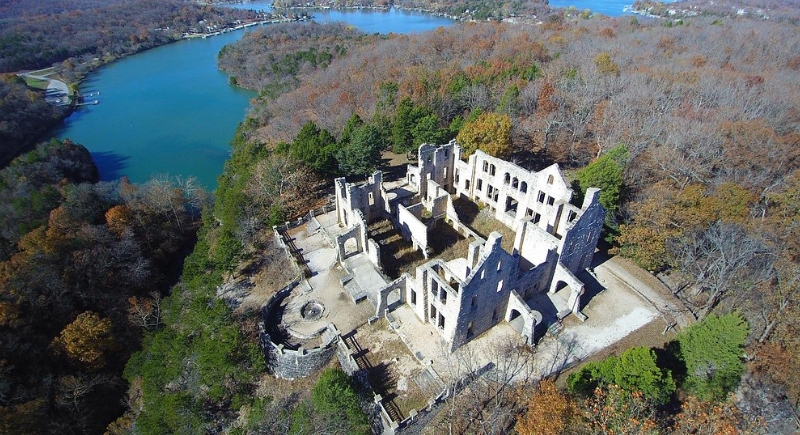
Missouri is not known for dramatic scenery, but Ha Ha Tonka surprises visitors from the moment they arrive. Visitors find the ruins of an early 20th-century stone castle on a bluff overlooking the Lake of the Ozarks. Operating as a day-use park, it also features the Colosseum, a sinkhole about 300 feet wide, and a natural spring that produces more than 58 million gallons of water daily. Around 15 miles of trails connect cliffs, caves, and a natural stone arch.