The Hidden World of Peru’s 3700 Butterflies
Peru holds roughly 20 percent of the world’s known butterfly species, with estimates ranging between 3,700 and 4,200. Scientists continue to record new species each year, which means the total still isn’t fixed. That level of diversity places the country ahead of entire regions, including sub-equatorial Africa. Now, the question is, what is happening inside Peru’s ecosystems that allows this many species to exist in one place?
Why Peru Produces So Many Species
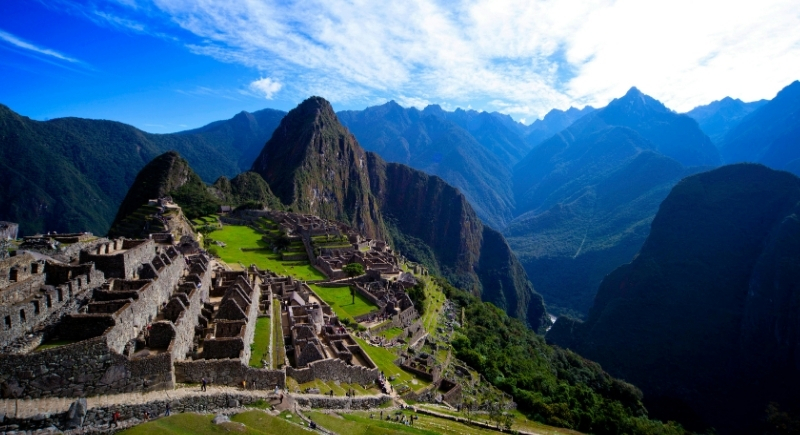
Image via Pexels/Amelia Cui
The answer starts with geography. Peru compresses multiple ecosystems into one country, with the Andes cutting through its center and the Amazon Basin stretching across its east. This creates sharp changes in altitude, temperature, and vegetation within short distances.
Butterflies thrive in those transitions. The eastern slopes of the Andes and lowland rainforest areas, especially below 800 meters, support the highest concentrations. In these zones, researchers often record dozens of species in a single day, sometimes even hundreds of individual butterflies gathered in one area.
The Madre de Dios region shows just how dense this diversity can get. More than 2K species have already been identified there alone, and the region continues to attract scientists from around the world.
The Species That Stand Out
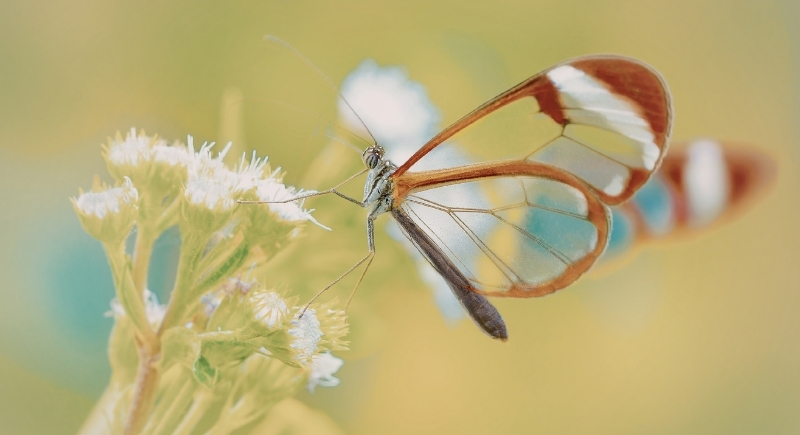
Image via Canva/Moisescu Florentina’s Images
Some butterflies in Peru attract attention for very specific reasons. The Glasswing butterfly, known scientifically as Greta oto, has transparent wings that make it almost invisible in flight. It blends into its surroundings in a way that feels more like a visual trick than a survival tactic.
Then there’s the Blue Morpho, or Morpho peleides. Its bright blue wings aren’t just for display. The sudden flash of color helps confuse predators, giving it a split-second advantage to escape.
Another species, the Giant Forest Owl Butterfly, Caligo eurilochus, uses a different approach. Its wings resemble large eyes, which can scare off threats. Each of these butterflies reflects a different survival strategy, shaped by the same environment.
More Than Just Color
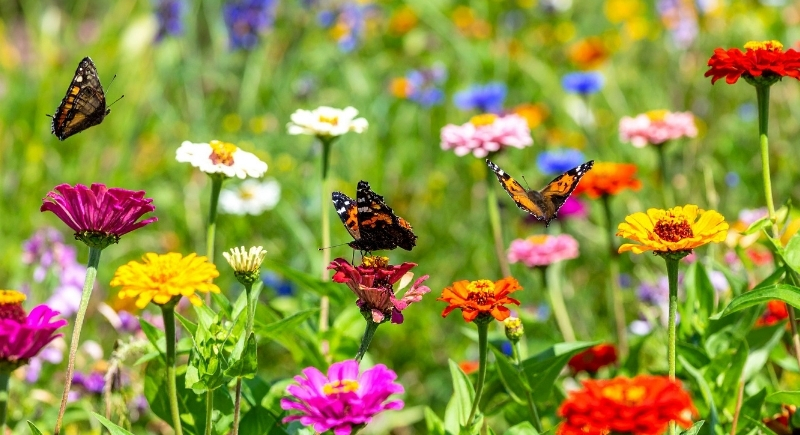
Image via Canva/Truecreatives
Butterflies in Peru do more than add visual appeal to the rainforest. They play a direct role in pollination, helping plants reproduce and maintain the balance of the ecosystem. They also serve as food for birds, reptiles, and other animals, making them a key link in the food chain.
Scientists also treat butterflies as environmental indicators. A change in butterfly populations often signals a change in the health of the rainforest itself. When their numbers drop, it usually points to larger problems in the ecosystem.
The Pressure Behind the Beauty
The same traits that make these butterflies interesting also put them at risk. Habitat loss remains one of the biggest threats, especially as forests are cleared for development. Climate change adds another layer of pressure, altering the conditions on which these species rely.
Illegal wildlife trade continues to play a role as well. Butterflies are collected and sold as souvenirs, jewelry, or display pieces. In some cases, entire species face declining numbers because of this demand.
There’s also a less obvious issue that affects survival. Each butterfly species depends on a specific host plant to lay its eggs. If that plant disappears, the species loses its ability to reproduce. This connection means that even small changes in plant life can have lasting effects on butterfly populations.
Conservation Efforts
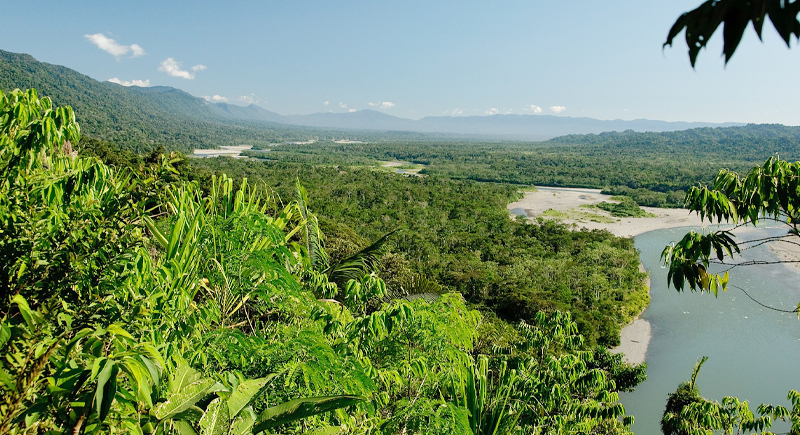
Image via Wikimedia Commons/Corey Spruit
Peru has taken steps to protect its butterfly populations through protected areas such as Manu National Park and Tambopata National Reserve. These regions provide safer conditions where species can continue to thrive.
On a smaller scale, initiatives like Pilpintuwasi in the Amazon region combine conservation with education. Founded by Gudrun Sperrer in 1995, with a butterfly farm established in 2002, the project focuses on breeding certain species and releasing them back into the wild. It also teaches visitors and local communities about the butterfly life cycle and the risks tied to illegal trade.