
In three tourist towns, I watched guild ledgers, tool libraries, and stamp marks keep ancient techniques from turning into souvenirs.
The ledger book that decides who gets to sell

The most useful thing I saw in a town where tourism has swallowed the old economy wasn't a museum label or a cute "heritage" plaque. It was a beat-up ledger on a counter, the kind with marbled paper and a cracked spine. A guild elder flipped it open like a bouncer checking IDs. If your name wasn't in there, you could still make things, but you couldn't claim the guild mark on your sign, and you couldn't rent a stall at the annual market that draws the tour buses. That sounds petty until you watch what happens when there's no gate. Suddenly everyone is selling the same keychain-sized version of a craft that used to take a week, and the only people with enough margin to survive are the ones who outsource production.
The ledger is simple: names, apprenticeships, who trained under whom, and notes about what each person is cleared to sell under the collective name. In one place, the notes were blunt. "Allowed: plain weave only." In another, the page had a stamp box for when an apprentice completed specific steps. Not a speech, not a ceremony. Just a quiet administrative record that makes it harder for a shopfront to pretend it's local when it's not.
What surprised me is how modern the conversations around that old book were. Shop owners were pushing for more members because more makers means more inventory and more tourist dollars. The guild kept insisting on fewer, because the point was technique, not volume. The ledger held the line without anybody needing to pick a public fight in front of customers holding ice cream cones and shopping bags.
Tool libraries: the unsexy way techniques stop disappearing
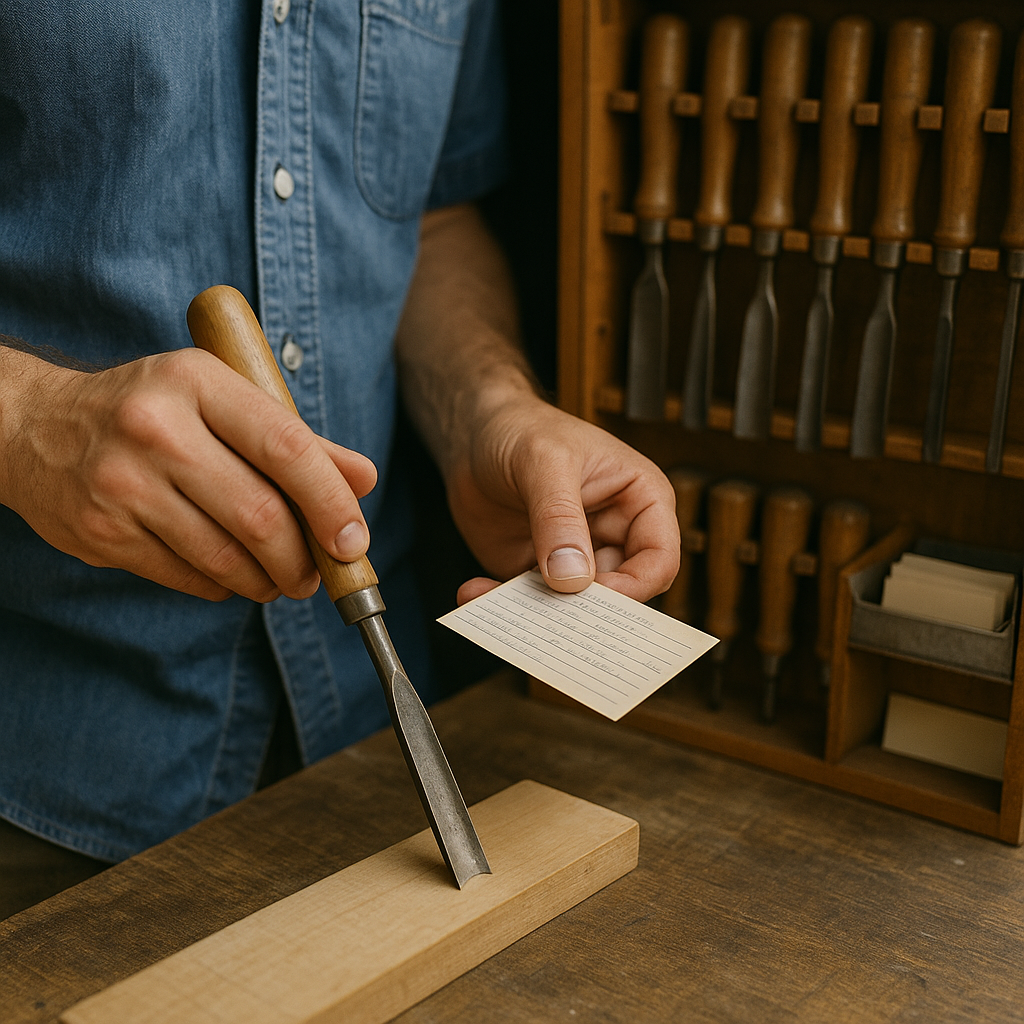
Every romantic story about old crafts focuses on the hands. The part that keeps the hands working is usually a locked cabinet. In more than one tourist-heavy town, the guild's big move wasn't a flashy festival booth. It was a tool library with rules that sounded like a gym membership, except the equipment was a loom reed, burnishers, custom molds, or a set of chisels that would cost an apprentice a month's pay. When housing gets priced for weekenders and shop rents follow the foot traffic, the first thing that breaks is practice time. You can be passionate and still not be able to justify buying a specialized tool that you might use twice a week.
A guild tool library changes that math. You sign in, you borrow the exact implement the old method requires, and you bring it back clean, accounted for, and ready for the next person. I watched an apprentice check out a set of carving gouges, the kind with profiles you'd never find in a generic hardware aisle, then return them with little slips noting what wood they were used on and how they held an edge. That tiny bit of recordkeeping is part of the craft now. It's also how a guild avoids the slow drift into close enough shortcuts that tourists don't notice but practitioners do.
It also does something awkward but necessary: it keeps beginners from learning the wrong muscle memory on the wrong gear. When someone has been trying to do fine work with a dull blade or a makeshift jig, they compensate with pressure and bad angles. Then they're stuck unlearning it. A shared kit, maintained by people who care, reduces that.
The best part is you can feel the economics shift inside the workshop. People aren't hoarding tools out of fear. They're practicing. And when the shop on the corner starts demanding more inventory for the summer rush, the guild isn't forced into buying a pallet of cheaper substitutes. They can scale learning without scaling into junk.
Why a tiny stamp mark is worth more than the gift shop sign
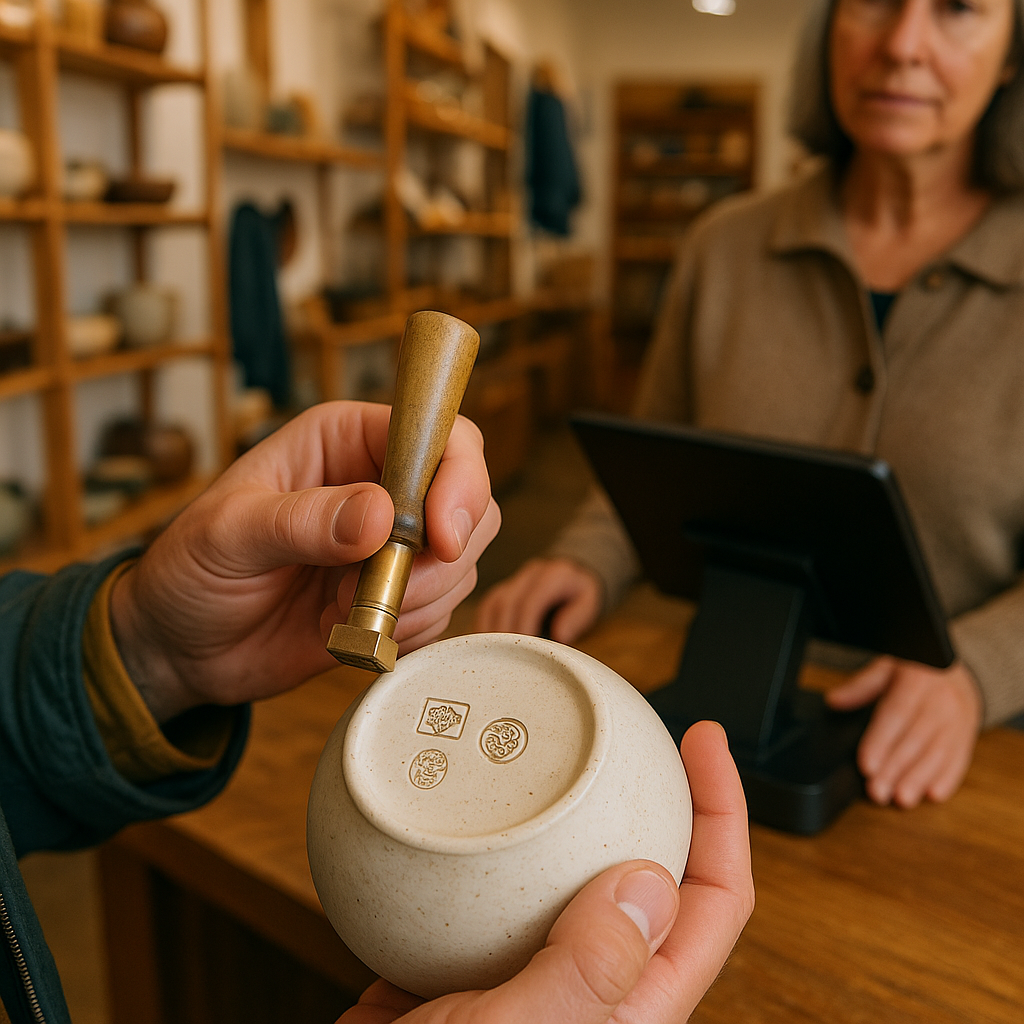
If you want to see where tourism pressure hits hardest, stand near the register and listen to the questions. Shoppers don't ask, What technique is that? They ask, Is this local? and "Will it survive my suitcase?" Guilds that are reviving ancient methods have figured out a blunt answer that fits on the object: a stamp mark system tied back to membership records. Not a logo dreamed up by a marketing firm, but a controlled set of marks: one for the guild, one for the individual maker, and sometimes a third that signals the technique or grade.
I saw this work best when the guild treated the mark like a passport, not a decoration. The stamp wasn't sitting out for anyone to mash into clay or ink onto paper. It lived in a drawer, and the elder who held it had a list of conditions. Did you complete the apprenticeship sequence? Are you selling within the bounds of the tradition, or did you riff into a tourist-friendly novelty that belongs under your personal name only? That second category wasn't banned. It was just labeled honestly.
The stamp also gives the guild leverage with shop owners who want to stock ten copies of one best-seller. If the technique takes time, the mark makes it obvious that scarcity isn't a pricing trick, it's a process. A shop can still carry lower-priced items, but they can't slap the guild name on imported lookalikes and claim it's the same thing. In one coastal town, the elder told me they started doing random checks in peak season: they would walk the main drag, flip an item, and look for the mark where it should be. No shouting, no public shaming. If it wasn't there, the shop got a quiet visit.
What made me trust the system is that it created a paper trail without turning the craft into a performance. Tourists got a simple cue. Makers got a way to keep standards without having to argue technique with every customer. And the guild got a small, durable tool for surviving an economy that wants everything fast, photogenic, and endlessly repeatable.