The Most Underrated Food Destination in America Is Hiding in Texas
When people talk about great food cities in Texas, they usually mention Houston or Dallas. San Antonio rarely gets the spotlight. That is surprising, because this is where Tex-Mex truly took shape. In the late 1800s, Tejano cooks blended Indigenous, Spanish, and Mexican traditions right here, and the chile queens served chili-based dishes in public plazas long before combo plates became a statewide staple.
That history still shows up on today’s menus. Garcia’s has been serving brisket tacos and cheese enchiladas since 1962. Ray’s Drive Inn made the puffy taco famous back in 1956. Los Barrios, family-run since 1976, keeps regional ties to Monterrey alive with dishes like cabrito alongside classic plates. San Antonio may not chase trends, but it delivers some of the most meaningful food in the country.
A Second Personality Taking Shape
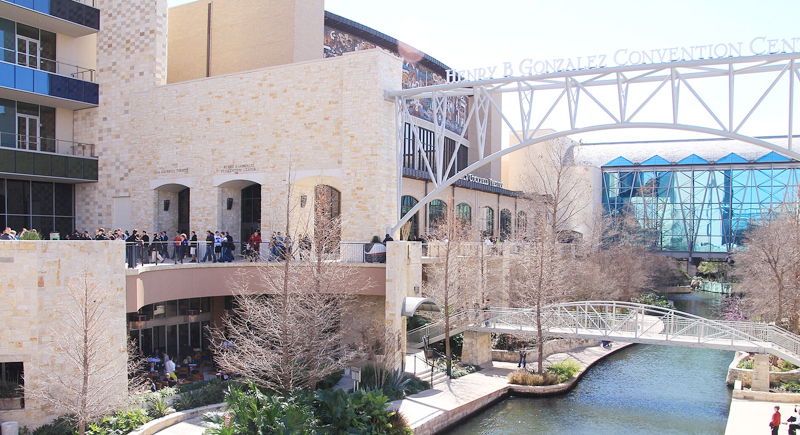
Image via Wikimedia Commons/Loadmaster
San Antonio has more than 4,700 places to eat, and the range keeps growing. With major conventions flowing through the 1.6-million-square-foot Henry B. González Convention Center year after year, the city has had every reason to stretch beyond its Tex-Mex foundation and experiment a little.
The Pearl District makes that shift easy to see. The old brewery’s 16-block revival now anchors some of the city’s most thoughtful kitchens. Cured built its name on house-cured meats displayed in a glass locker near the entrance. Ladino leans into modern Mediterranean flavors, including a $35 Turkish brunch stacked with mezze. And Curry Boys BBQ blends Texas brisket with Thai curry in a bright pink St. Mary’s spot that takes its craft seriously.
Mexican Cuisine, Reframed
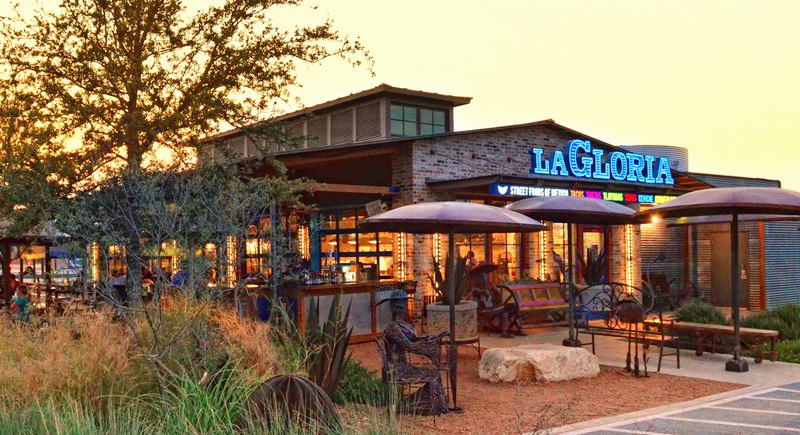
Image via Yelp/La Gloria
San Antonio’s next chapter depends on how it carries its Mexican roots forward. La Gloria looks outward, drawing from street foods across Mexico with dishes like shrimp aguachile and Oaxacan tlayudas that feel vibrant and regional.
Mixtli offers a more intimate experience. The 12-seat restaurant, set inside a restored railroad boxcar, builds rotating tasting menus around Mexican history and geography. Chefs Diego Galicia and Rico Torres reshape familiar ingredients into carefully plated courses, and seats book fast. Next door, Mezcaleria Mixtli keeps things relaxed with over 50 mezcals and small plates such as Tinga de Pollo.
Wine, Immigration, And Influence
Food in San Antonio reflects the city’s demographic shifts. Germans made up roughly 30 percent of the population in the late 1800s, and restaurants like Schilo’s and Künstler Brewing still reflect that heritage. French cuisine is available at Brasserie Mon Chou Chou in the Pearl, and Korean barbecue and Ethiopian cooking add further variety beyond the River Walk corridor.
Wine is also part of the mix. ‘Re: Rooted 210,’ founded by Jen Beekman, pours Texas-grown wines on tap to reduce waste. FlorVino near The Alamo produces wines made entirely from flowers and wildflower nectar sourced in Texas Hill Country through a collaboration with local winemaker Manny Ortiz and the Bonjean family.
San Antonio carries one of the oldest regional cuisines in America while simultaneously building a modern dining culture, and that dual identity explains why it remains overlooked. The city cooks across eras, borders, and price points. For anyone who cares about how American food developed and where it is heading, this Texas city deserves a seat at the table.