The Only City in the World Where It Is Illegal to Die
At first, it sounds like one of those strange internet myths. A place where dying is illegal can’t be real…right? Still, the story keeps resurfacing, attached to a real location with very real rules. The truth is actually less dramatic, but far more interesting. It revolves around science, geography, and a problem most cities never have to think about.
Where This Story Actually Comes From
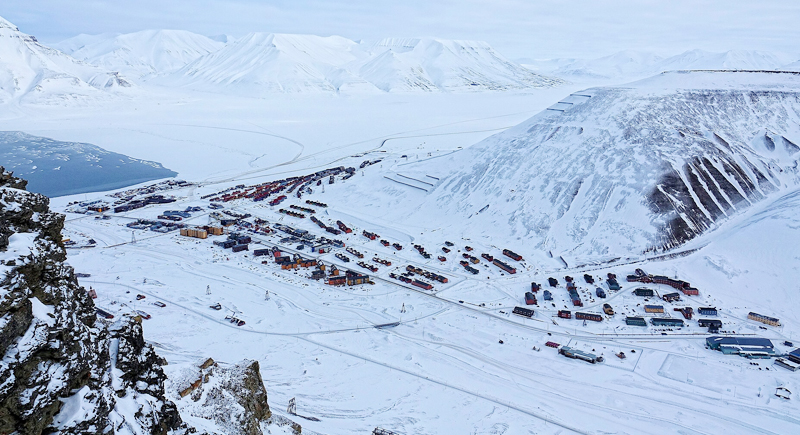
Image via Wikimedia Commons/Bjørn Christian Tørrissen
The place at the center of it all is Longyearbyen, a remote Arctic settlement sitting deep inside the polar circle. It is one of the northernmost inhabited towns on Earth, with a population of roughly 2,000 to 2,500 people.
Temperatures regularly plunge far below freezing, and the ground beneath the town stays permanently frozen year-round. That frozen ground is permafrost, a dense layer of earth, ice, and rock that behaves more like concrete than dirt. It defines how people live there, how buildings are constructed, and, unexpectedly, how death is handled.
Why Burial Became a Problem
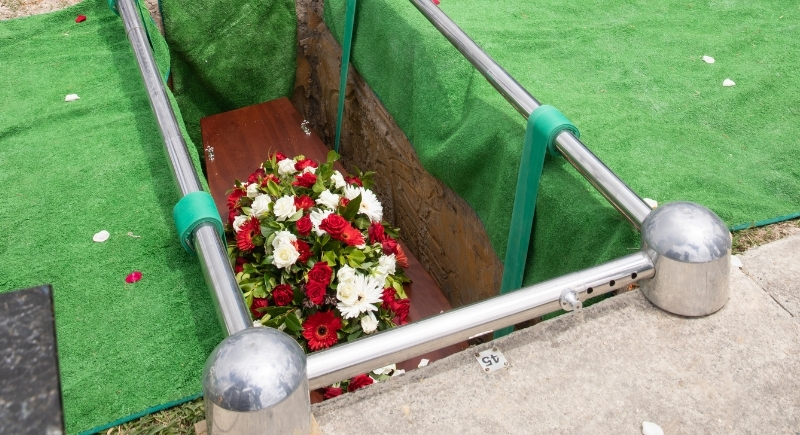
Image via Getty Images/GreenAppleNZ
Most places bury their dead and move on. In Longyearbyen, that simple act does not work.
Because of the permafrost, bodies buried in the ground do not decompose. Instead, they remain preserved for decades.
That might sound harmless but history has proven otherwise. In the early 20th century, victims of the 1918 influenza pandemic were buried in the town. Years later, researchers discovered that the virus had survived in those frozen remains.
That discovery changed everything. A grave was no longer just a resting place. It became a potential biological risk. If the ground thaws even slightly, preserved pathogens could re-emerge. In a world already shaped by global outbreaks, that risk is taken seriously. As a result, traditional burials were stopped. The local cemetery was effectively closed to new bodies decades ago.
What Happens When Someone Is Near Death
This is where the story begins to take shape. If a resident becomes seriously ill, they are not kept in Longyearbyen for end-of-life care. Instead, they are transported to mainland Norway, often well over 2,000 kilometers away.
The town’s medical facilities are not designed for long-term or complex care, and the burial issue adds another layer of urgency. The same logic applies before life even begins. Pregnant residents are encouraged to leave the town weeks before their due date to give birth elsewhere.