This Single Tree in Brazil Is So Big It Looks Like a Whole Forest
In northeastern Brazil, there is a tree so vast that visitors often mistake it for an entire grove. The paths wind beneath its canopy, multiple trunks rise from the ground, and sunlight filters through what feels like a small forest. In reality, every branch, root, and trunk belongs to a single organism: the Cashew of Pirangi, widely known as the world’s largest cashew tree.
The extraordinary tree is located in Pirangi do Norte, near the coastal city of Natal in the state of Rio Grande do Norte, and has become one of Brazil’s most unusual natural landmarks.
One Tree, Two Acres of Canopy
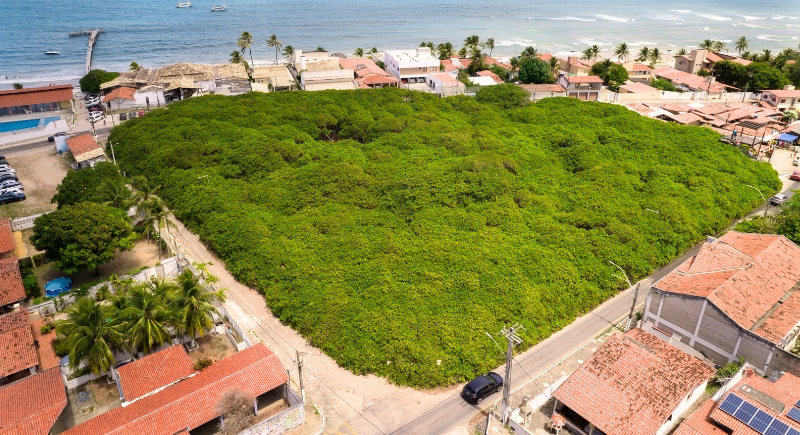
Image via iStockphoto/Ulisberg Alves
The Cashew of Pirangi covers an area estimated to be between 7,300 and 8,400 square meters, which is roughly equivalent to 1.8 to 2.1 acres, or approximately two American football fields. Botanists and local officials estimate that its canopy is comparable in size to around 70 typical cashew trees, even though it is genetically just one.
Walking through the site feels disorienting at first. What appear to be multiple trees are actually branches that grew outward, touched the ground, and then rooted themselves. Over time, these rooted branches thickened and rose vertically.
The tree’s immense spread is the result of unusual growth behavior. Its branches tend to grow horizontally instead of upward, and as they lengthen, their own weight causes them to bend toward the soil. When those branches touch the ground, they develop roots and continue growing.
This process repeats itself and allows the tree to expand laterally across open land. Over generations, the original trunk became difficult to distinguish from newer rooted branches. Some local accounts suggest it was planted in 1888, while other estimates speculate it could be far older. Claims that the tree is more than 1,000 years old circulate widely, but there is no definitive scientific dating to confirm that figure. The exact age of the tree remains uncertain.
A Tree That Still Feeds the Region
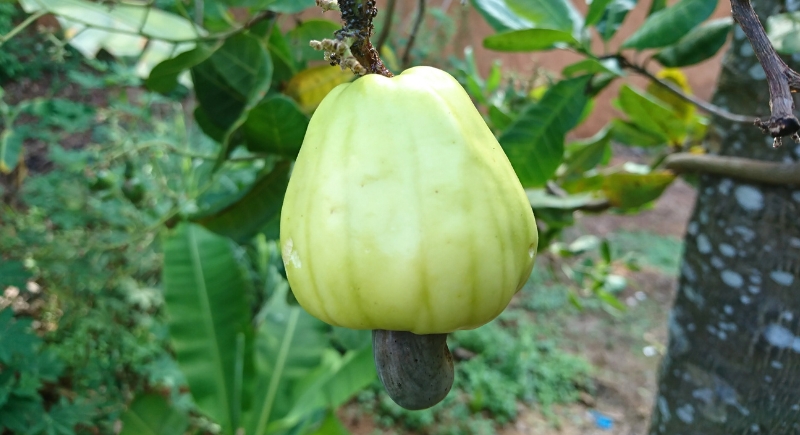
Image via iStockphoto/mohdafzam
Each year, the Cashew of Pirangi produces an estimated 60,000 cashew fruits, also known as cashew apples. In Brazil, the fruit itself is prized as much as, if not more than, the nut. The cashew apple is highly perishable and rarely exported; however, locally, it is consumed fresh or used to make juices, sweets, and liqueurs.
Visitors can often sample fresh cashew juice, buy preserves, or take home cashew-based spirits from nearby markets that surround the site.
A Protected Landmark and Tourist Attraction
The tree is legally protected and carefully managed due to its size and cultural importance. Roads and footpaths have been designed around it, and trimming is limited to preserve its health.
Admission to the site is modest, and walkways allow visitors to explore beneath the canopy without damaging the roots.
The Cashew of Pirangi has become a point of pride for the local community and a symbol of Brazil’s botanical diversity. While many countries boast towering trees, few can claim a single plant that occupies an entire landscape.