Trading the Cobblestones of Montreal for the Unfiltered Grandeur of Alberta
Montreal has always been an easy pick for a city trip. You get cobblestone streets, French-influenced culture, great food, and a lively downtown without crossing the Atlantic. That formula worked for a long time. Now, the pattern is starting to shift. In 2025, U.S. visits to Montreal dropped by about 5%, while Alberta saw nearly 5% growth from American travelers.
The contrast stands out even more when you look at the bigger picture. Canada overall saw a 6% drop in U.S. visitors, yet Alberta still gained. More people are moving away from packed city breaks and choosing places with more space and easier access to the outdoors, which is exactly what Alberta offers.
Why Montreal Is Losing Momentum
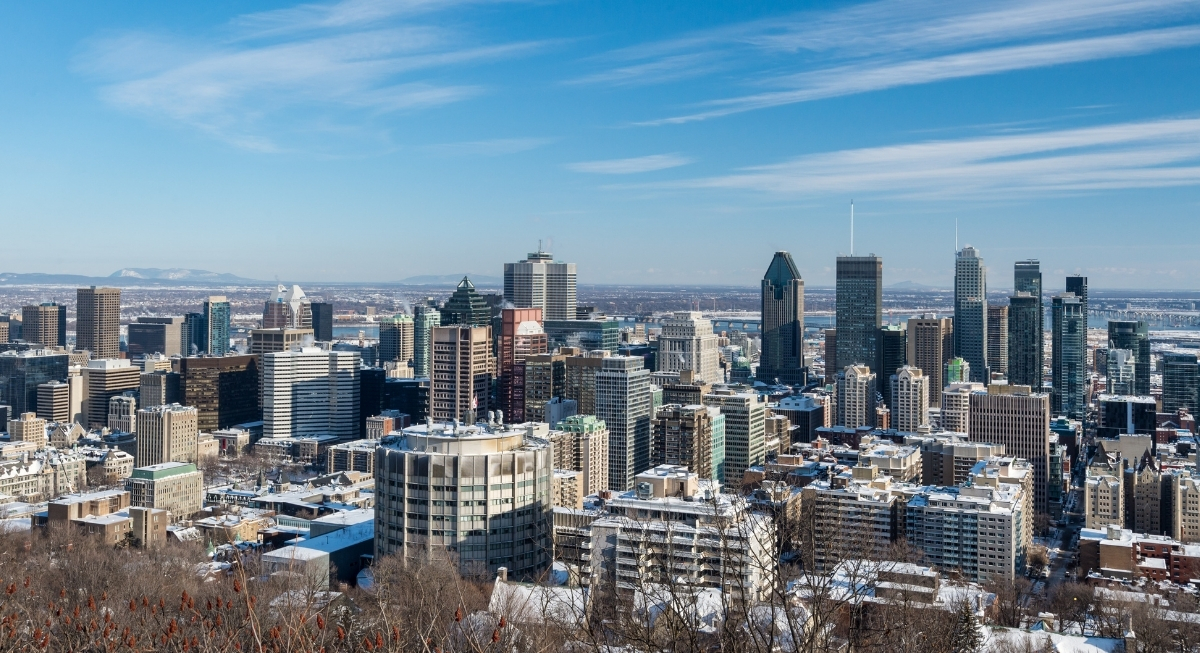
Image via Getty Images/Marc Bruxelle
Montreal continues to deliver a strong experience. Old Montreal draws visitors with its historic streets, museums, cafés, and nightlife. It attracts travelers who want culture in a compact setting.
Montreal’s strengths are tied to city life, while demand is moving toward landscapes and physical movement. Recent travel patterns show growing interest in outdoor activity and open environments over urban exploration.
The 5% drop in U.S. visitors in 2025 reflects that change. On its own, it signals a slowdown. Compared with Alberta’s growth, it points to a clear pivot.
Alberta Meets Current Demand
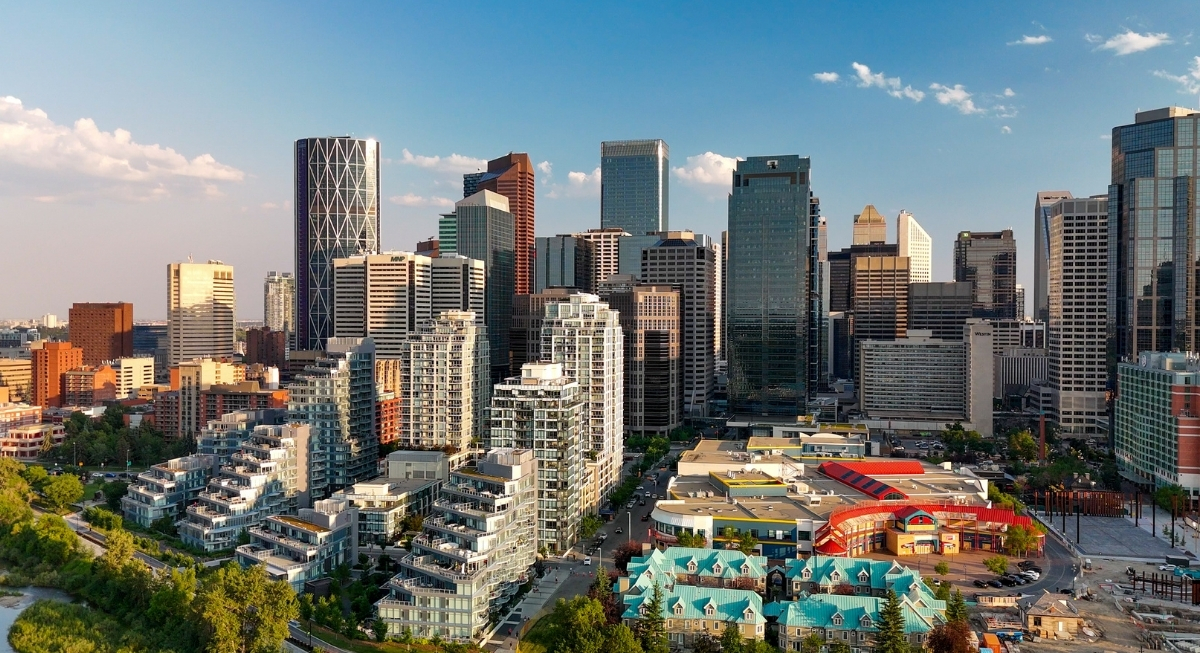
Image via Canva/Gagliardi Photography
Alberta is gaining visitors at a time when the rest of the country is seeing declines. While Canada saw fewer travelers overall, Alberta recorded growth in both U.S. and international visits. Visitor spending reached a record C$15.2 billion in 2025, up from C$14.4 billion the year before.
Several factors make the province attractive right now. A stronger U.S. dollar stretches further in Alberta, making longer stays and better accommodations more realistic. Access has improved as well, with more direct flights into Calgary and Edmonton and easy road access from Montana.
The province also works year-round. Winter brings skiing and northern lights tourism. Warmer months open up hiking, biking, and lake activities. That flexibility makes planning easier.
More Than Mountain Views
Alberta delivers a full travel experience that goes beyond its landscapes. Banff and Jasper remain major draws, and the Icefields Parkway continues to attract road trippers across North America. The experience continues well beyond the mountains.
Calgary adds major events like the Calgary Stampede, along with a strong nightlife scene. Edmonton hosts more than 50 festivals each year and features a large river valley running through the city. Together, they give travelers both outdoor and urban options in one trip.
Montreal centers on city culture, while Alberta combines nature, road trips, and city stops in a single itinerary.
Space Has Become A Key Draw
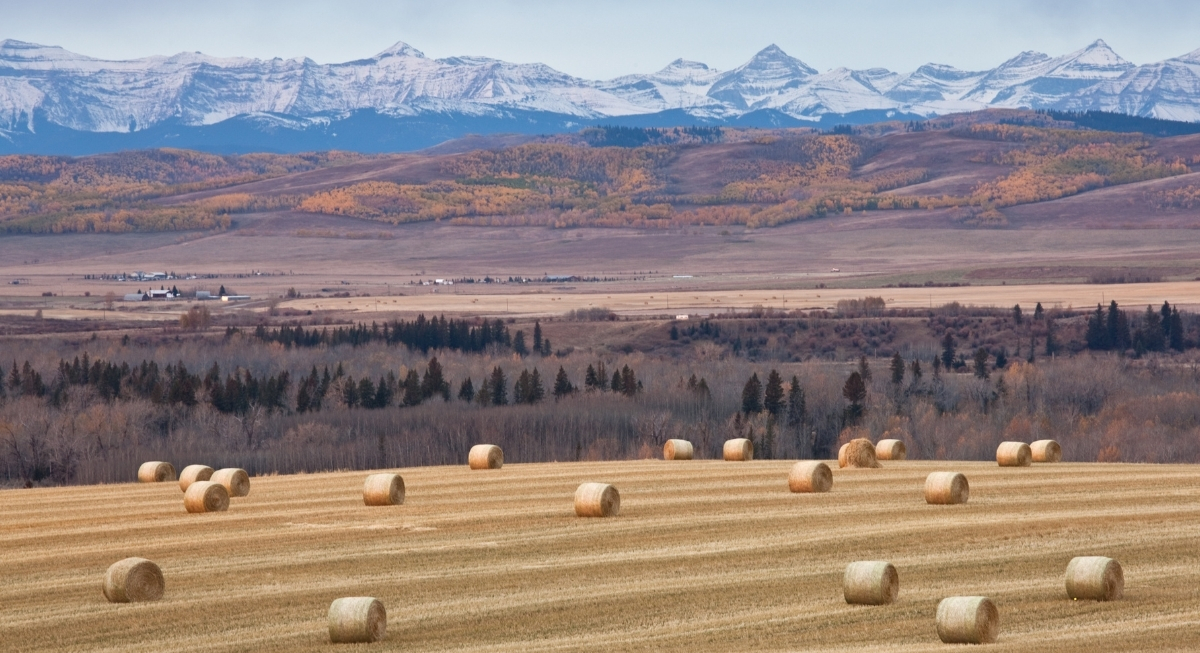
Image via Getty Images/ImagineGolf
Canada averages about 10 people per square mile, compared with roughly 93 in the United States. As such, one of Alberta’s biggest advantages is space.
Travelers looking to step away from crowded environments often find that difference appealing. It’s not something you can expect in Montreal’s dense and energetic scene.
This preference for space also connects to more grounded experiences. Alberta has invested C$12 million in Indigenous tourism since 2021. Demand is strong, with at least one in three international travelers seeking Indigenous experiences that connect them more directly to the land and local culture.
A Clear Change In Travel Priorities
What many travelers want from a trip has changed. Alberta is benefiting from that change, providing room to move, experiences tied to nature, and a pace that feels different from a city break. The numbers from 2025 make that clear.
Montreal still holds its place as one of Canada’s top urban destinations, but right now, many travellers are trading its cobblestones for open roads and mountain horizons.