10 Places in the Ocean Where Rescue Is Impossible
More than 71% of Earth is covered by oceans, but about 95% of them remain unexplored. Only about 20% of the seafloor has been mapped by ships, which leaves large sections blank on the chart. Distance, pressure, cold, and isolation combine in certain regions, so rescue is beyond reach. Take note of these places; their physics and geography make survival depend entirely on luck.
Challenger Deep
Credit: Wikimedia Commons
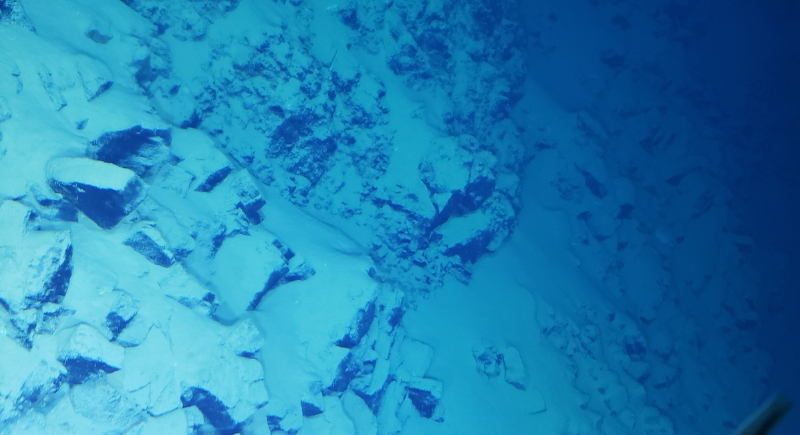
Challenger Deep is about 35,876 feet (10,935 meters) below sea level. That is nearly seven miles beneath the ocean’s surface. At that depth, pressure exceeds 1,000 times the atmospheric pressure at sea level. Water temperatures remain just above freezing, around 32°F or 0°C. Only a small number of people have reached this depth, using specially engineered submersibles built to withstand extreme compression. Any structural failure would cause immediate implosion and leave no realistic opportunity for rescue.
Hydrothermal Vent Fields
Credit: Wikimedia Commons
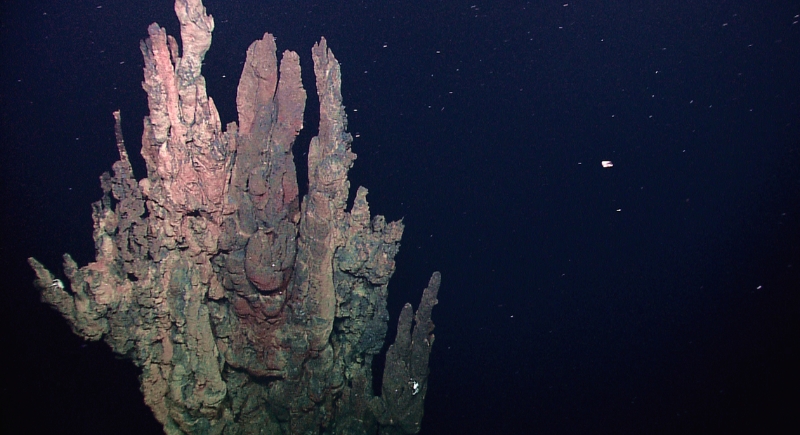
Hydrothermal vents release mineral-rich water heated to more than 752°F, or 400°C, along mid-ocean ridges. The water remains liquid because of the extreme pressure at depth. A short distance away, the surrounding seawater is near freezing. These systems exist thousands of feet below the surface in total darkness. Equipment must withstand both crushing pressure and intense heat simultaneously.
The Southern Ocean’s Screaming Sixties
Credit: pexels
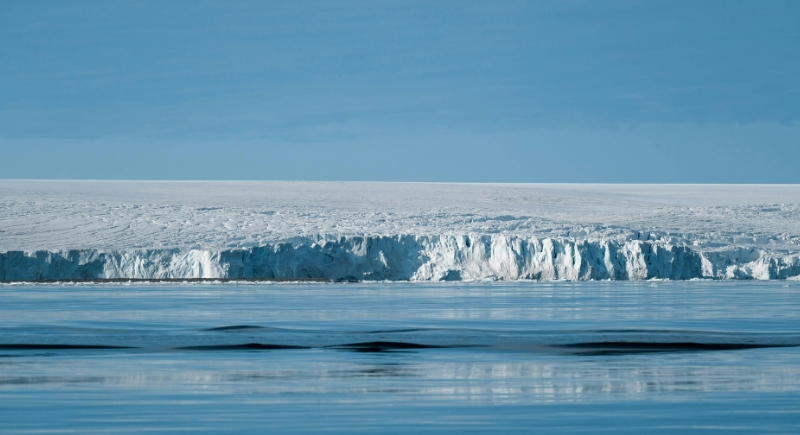
Between 60 and 70 degrees south latitude, strong westerly winds circle Antarctica without interruption from land. This continuous path allows waves to reach heights of about 98 feet (30 meters). Storm systems are frequent, and sea conditions can change rapidly. The region is also far from major ports. Any rescue vessel would require days to arrive. A mechanical failure in this zone means enduring severe weather in one of the most hazardous maritime environments on Earth.
Point Nemo
Credit: Wikipedia
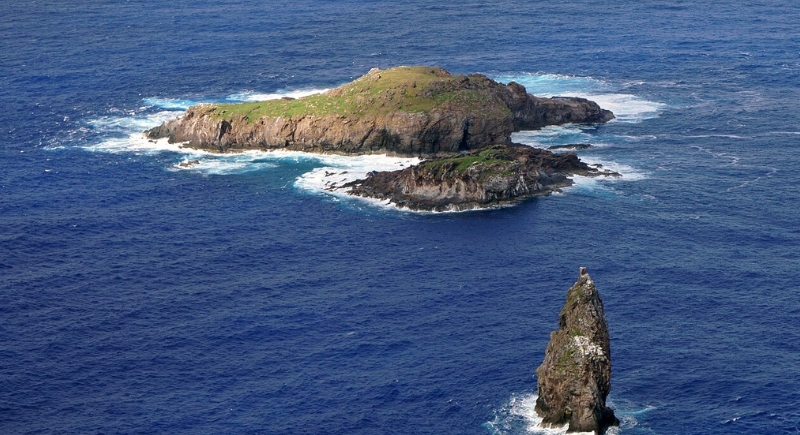
Point Nemo in the South Pacific is about 1,670 miles or 2,688 kilometers from the nearest land. That makes it the most remote spot in the ocean. At certain times, astronauts aboard the International Space Station are physically closer than any person on Earth’s surface. Ships rarely pass directly through this area. If a distress call goes out here, help must cross vast open water before even reaching the coordinates.
The Weddell Sea
Credit: Wikimedia Commons
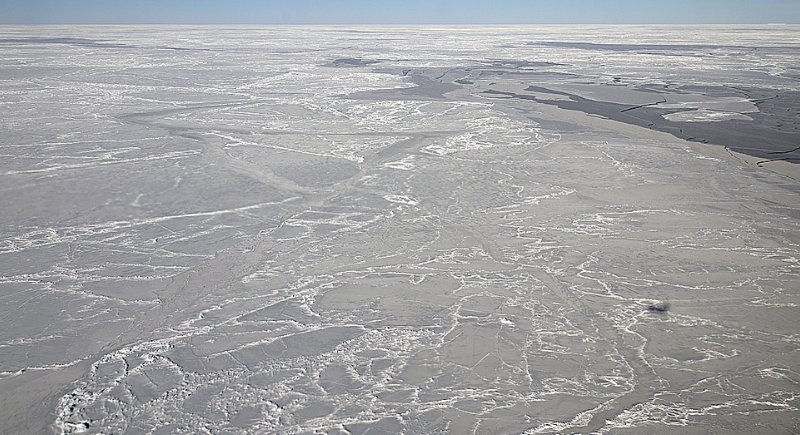
Off Antarctica, the Weddell Sea is known for thick pack ice and sudden freezes. Open water can turn solid overnight in extreme cold. Shifting ice can trap ships and lock them in place for days or longer. Even powerful icebreakers struggle when pressure ridges build up. Winter temperatures regularly fall well below 0°F (minus 18 °C). Evacuation options are limited by weather, darkness, and heavy ice cover.
Bermuda Triangle
Credit: Wikimedia Commons
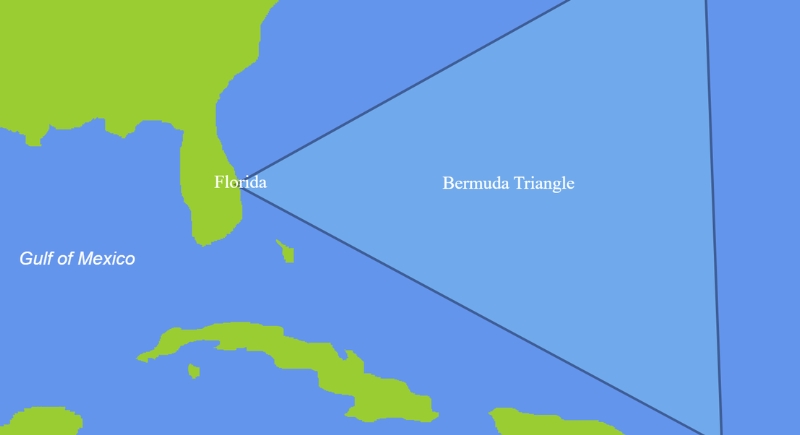
Covering roughly 500,000 square miles between Bermuda, Miami, and San Juan, this North Atlantic region has logged hundreds of reported disappearances. In 1918, USS Cyclops vanished with more than 300 people on board, and no confirmed wreck has ever been found. The US Coast Guard states that no unique hazard defines the area. However, strong currents such as the Gulf Stream and frequent storms move along heavily traveled routes. High traffic combined with changing weather can complicate search efforts.
Devil’s Sea
Credit: Wikimedia Commons
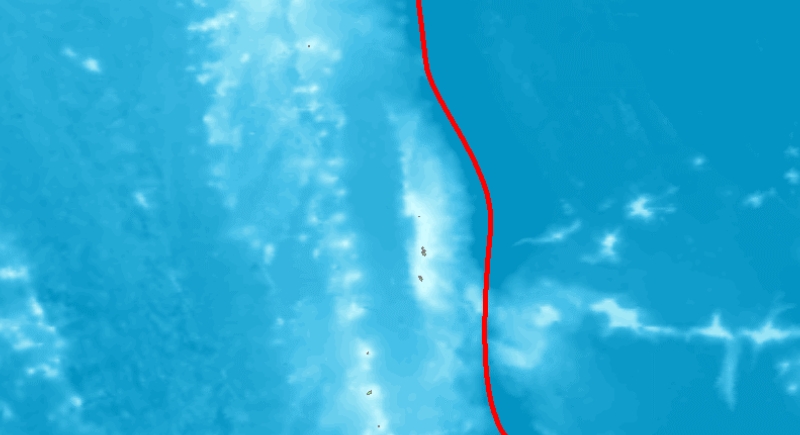
South of Japan lies the Devil’s Sea, located between Japan, the Bonin Islands, and the Philippine Sea. In 1952, a Japanese research vessel investigating earlier losses disappeared. The region lies along active tectonic boundaries, with undersea volcanoes and frequent seismic activity. Some reports mention electromagnetic disturbances, though hard scientific confirmation is limited. The Japanese government later designated it as dangerous to maritime travel.
Mariana Trench
Credit: Wikimedia Commons
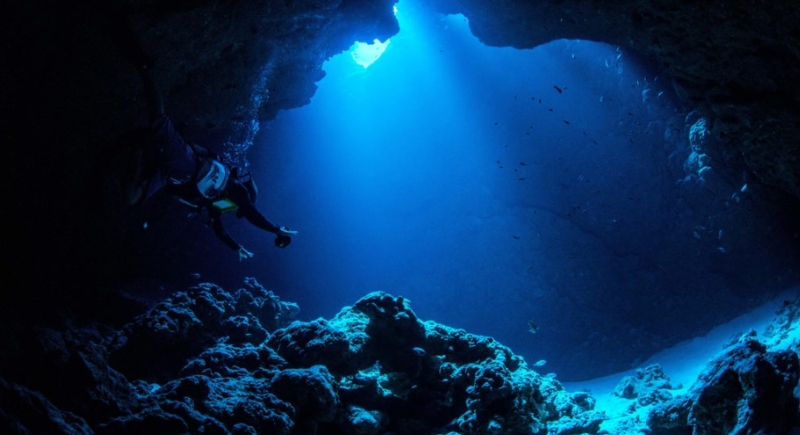
Stretching about 1,580 miles or 2,543 kilometers across the western Pacific, the Mariana Trench is the deepest ocean trench on Earth. Challenger Deep forms its lowest section. Researchers have documented pools of molten sulfur on the trench floor of the Maria Trench, and access requires rare, highly specialized submersibles. Temperatures remain near freezing throughout most of its depths. Pressure increases steadily as you descend.
The Twilight Zone
Credit: pexels
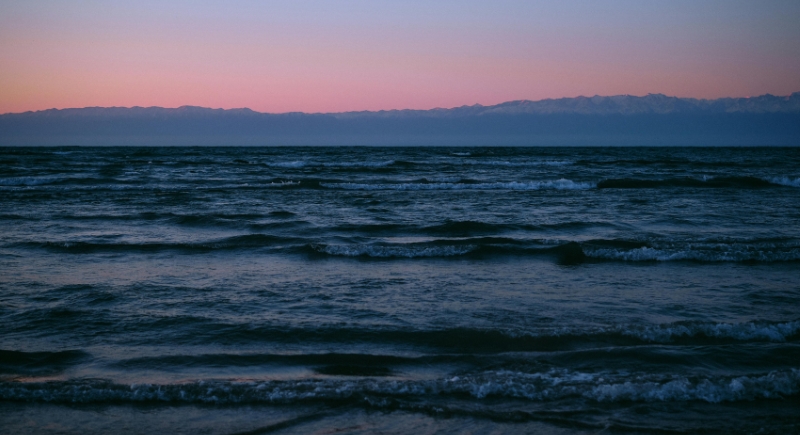
Between 656 and 3,280 feet or 200 to 1,000 meters below the ocean surface lies the mesopelagic layer, often called the Twilight Zone. Sunlight barely penetrates this range, so limited visibility and depth make large-scale search operations complicated and slow. Nonetheless, a 2014 study suggested fish populations here may be 10 times higher than earlier estimates. Many species even produce their own light through bioluminescence, and giant siphonophores measuring up to 150 feet (45 meters) have been observed.
Baltic Sea Anomaly
Credit: Wikimedia Commons
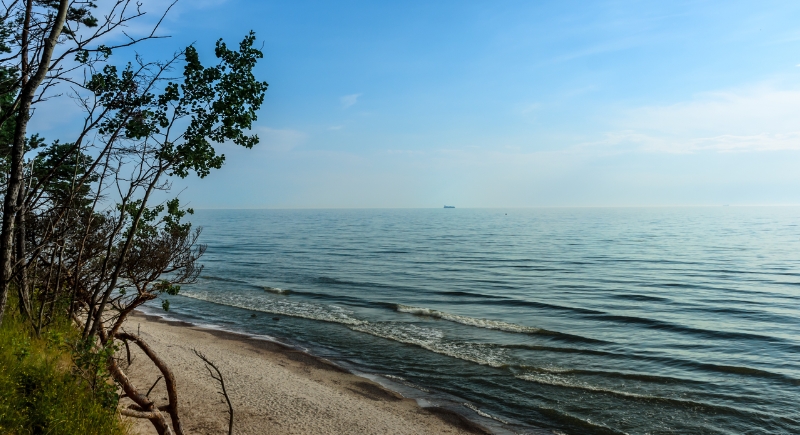
About 300 feet, or 91 meters, below the Gulf of Bothnia, there’s a 196-foot-wide, or 60-meter, disc-shaped formation discovered during a sonar survey between Sweden and Finland. Divers reported linear markings and darker material within cracks. Its origin remains debated. Claims of equipment interference near the site have circulated, although solid data is scarce. Cold water and low visibility in the Baltic make extended underwater work challenging.