10 of the US’s Most Sustainable Small Towns and Why They Are Worth the Trip
Across the United States, small towns are finding practical ways to live more sustainably without sacrificing quality of life. Those choices show up in how energy is used, how spaces are designed, and how communities function day to day. For travelers, that effort creates places that feel grounded, thoughtful, and closely tied to their surroundings.
San Luis Obispo, California
Credit: Canva
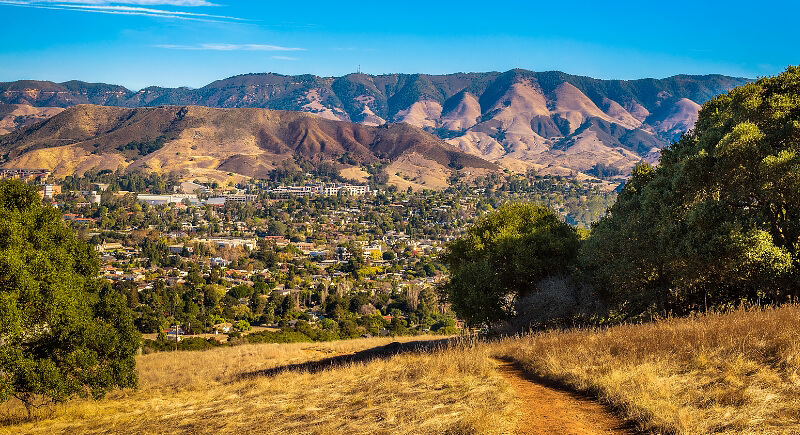
In San Luis Obispo, sustainability shows up in municipal decisions that most visitors never think about. Organic waste gets processed through a city-run anaerobic digestion facility, while a compact downtown keeps most errands walkable. The weekly farmers market has been running for decades, and even nearby wineries rely on coastal fog patterns to limit irrigation.
Greensburg, Kansas
Credit: Wikimedia Commons
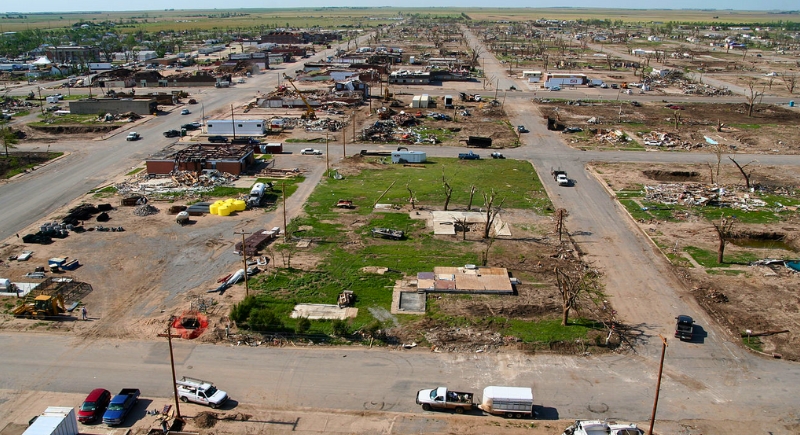
When Greensburg rebuilt after a 2007 tornado, the town treated the reconstruction as an opportunity to rethink everything. Public buildings were designed to meet LEED Platinum standards, and wind turbines outside town now cover all electricity needs.
Ithaca

Credit: Youtube
In Ithaca, steep hills and long winters make driving expensive, so buses do real daily work. The city’s Green New Deal sets the direction, but the farmers market’s 30-mile vendor limit keeps food systems local. Trails and waterfalls sit close enough to town that protecting them comes naturally.
Missoula, Montana
Credit: Getty Images
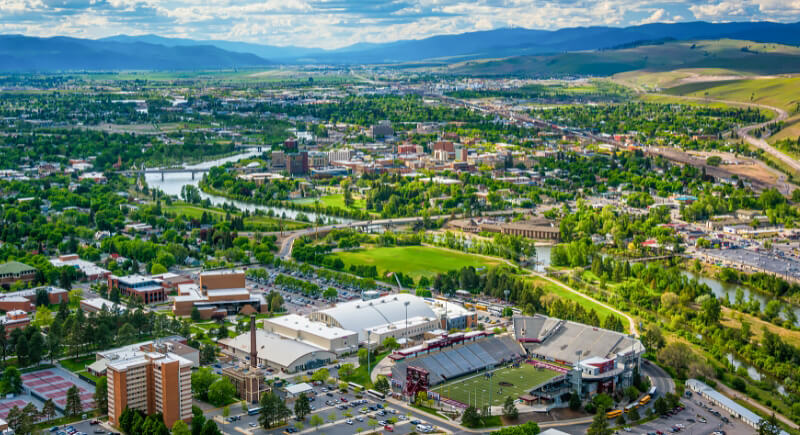
Smoke season has reshaped sustainability in Missoula by forcing planning to account for weeks when the air itself becomes a problem. During late summer, public buildings designated as clean-air shelters stay open longer, and local events shift indoors when air quality drops. Trail use and river access dominate spring and early summer, while smoke forecasts now factor into daily decisions.
Burlington, Vermont
Credit: Getty Images
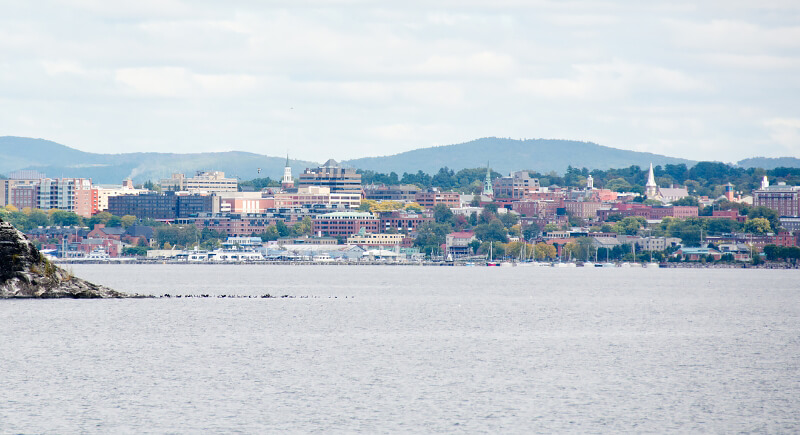
Burlington’s energy transition built up over time. Hydropower, wind, solar, and biomass now supply all municipal electricity, which mostly means residents don’t spend much time thinking about it. Church Street remains closed to cars, supporting walking and cycling, while community events center on food and shared public space.
Aspen, Colorado
Credit: Getty Images
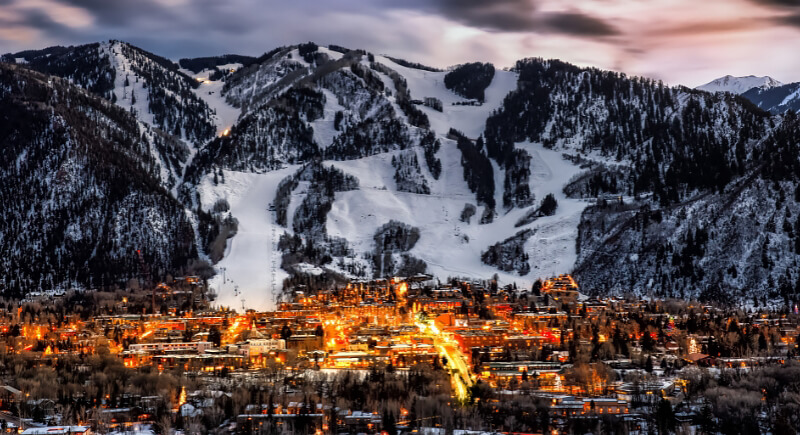
Tourism never slows down the environmental math in Aspen, which is why sustainability has to function under constant pressure. Wind and hydropower supply most local electricity, while a free electric bus system carries workers and visitors through a narrow valley daily. Methane captured from a nearby coal mine powers ski operations, tying climate strategy to Aspen’s busiest industry.
Arcata, California
Credit: Getty Images
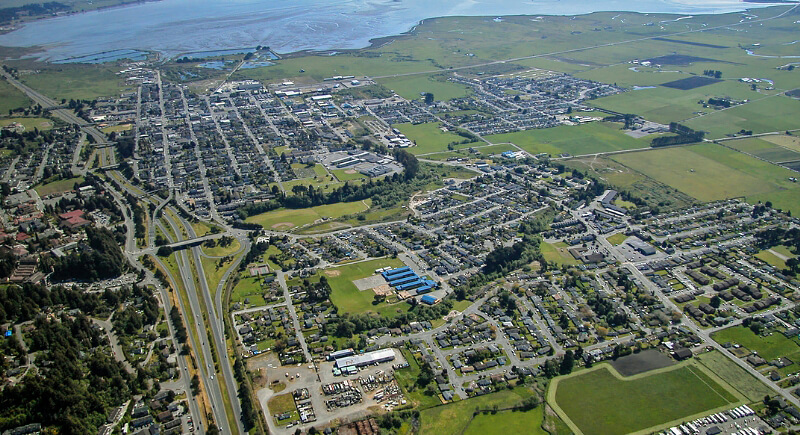
Wastewater treatment is part of the landscape around Arcata. The Arcata Marsh uses constructed wetlands to process sewage while supporting birds and wildlife, and residents regularly walk through it as part of their daily routines. A compact downtown supports co-ops and small shops, while community forests protect redwoods that feel like shared space.
Rock Port, Missouri
Credit: Wikimedia Commons
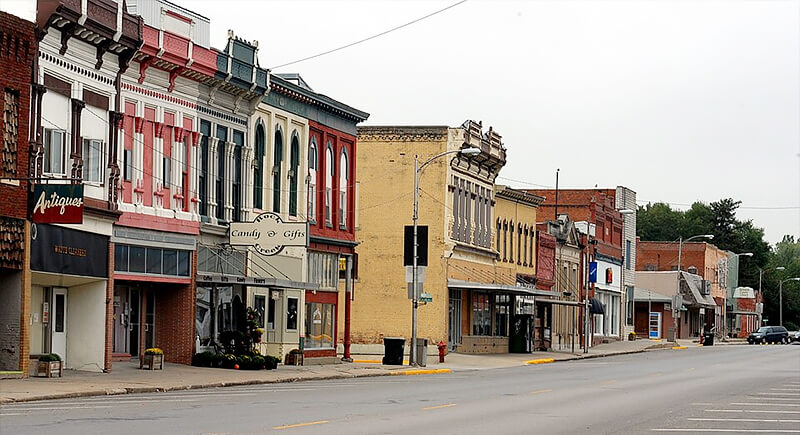
Energy planning in Rock Port came down to scale and long-term cost control. Four wind turbines have supplied all local electricity since 2008, stabilizing power expenses for a tiny population. Wetlands near town influence land use and conservation priorities. At the same time, sustainability policies remain simple enough to manage without dedicated departments or staff.
Juneau, Alaska
Credit: Wikipedia
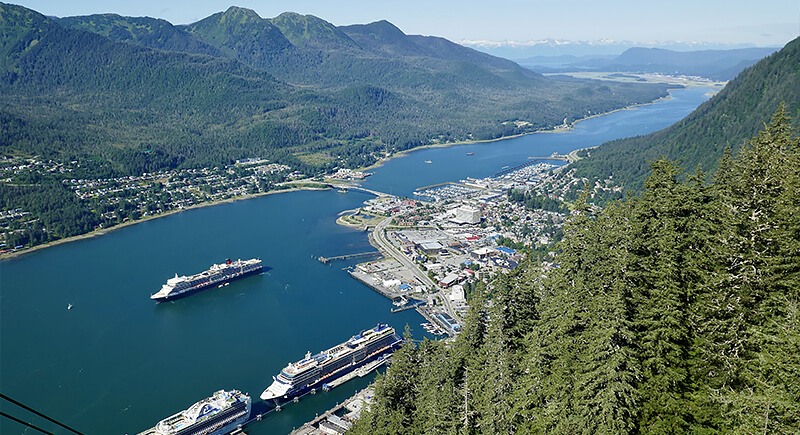
Limited road access forces long-term thinking around energy and transportation in Juneau, where nearly everything arrives by ship or plane. Hydropower supplies almost all local electricity, keeping energy costs predictable and enabling electric vehicles to operate. Public charging stations draw from renewable sources, while Indigenous place names and public art keep land stewardship visible in everyday spaces.
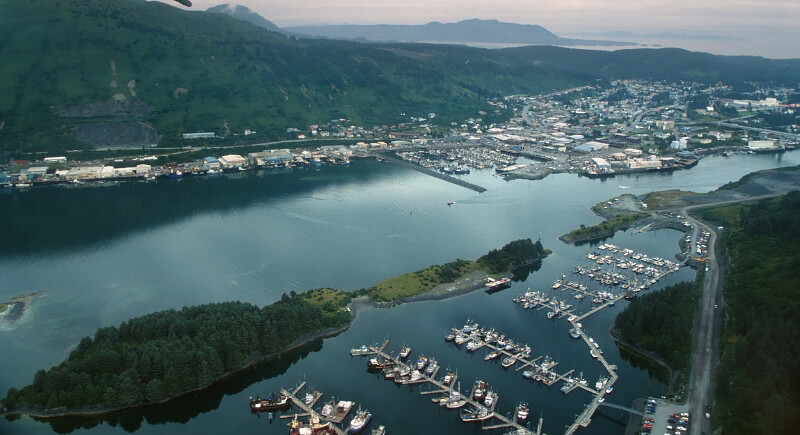
Kodiak Island, Alaska
Credit: Getty Images
Power planning on Kodiak Island leaves little room for improvisation, because outages aren’t easily fixed from the outside. The island’s shift to hydropower and wind reduced its dependence on diesel deliveries. It matters during storms and fishing seasons, when processing plants, homes, and cold storage all depend on systems that keep running without external backup.