Forbidden Islands Around the World That You Can Never Visit
You probably come across travel ads for places like Hawaii, the Maldives, or the Greek islands, where you can enjoy open beaches, oceanfront resorts, and historic towns. However, scattered across the same oceans are islands you cannot book, enter, or even approach.
There is varying reasons behind these bans. Some islands protect vulnerable communities that have chosen isolation, while others guard fragile ecosystems or contain dangerous wildlife and disease. For this reason, authorities enforce these restrictions with real consequences, such as heavy fines and legal penalties.
North Sentinel Island
Credit: Wikimedia Commons
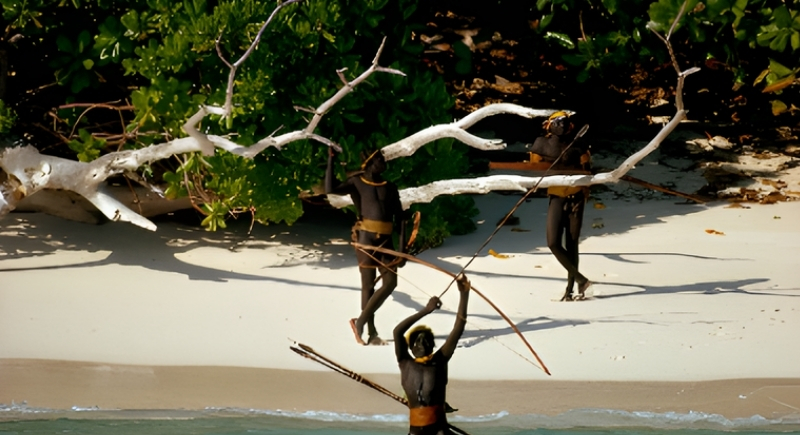
Thick forest and coral reefs surround North Sentinel Island in the Bay of Bengal, which gives it the appearance of a typical tropical island. However, it is home to the Sentinelese, one of the last uncontacted tribes in the world. The Indian government strictly bans anyone from traveling within several miles of the shore to protect the tribe from outside diseases, since even minor infections could be devastating.
Snake Island
Credit: Wikimedia Commons
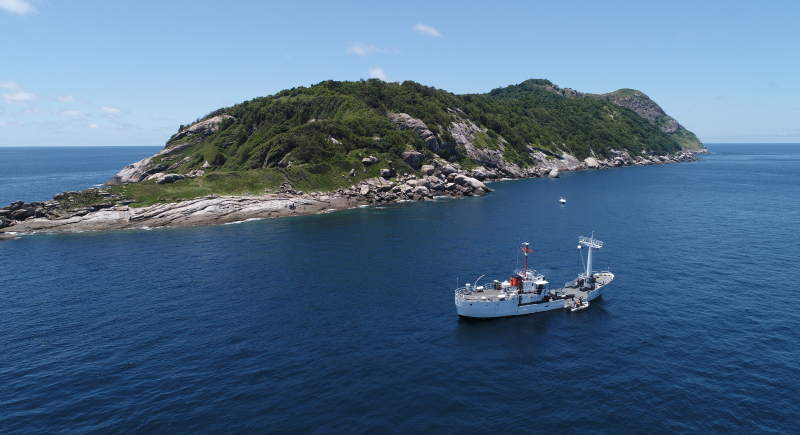
A short distance off Brazil’s coast, there’s Ilha da Queimada Grande, widely known as Snake Island. It supports a concentrated community of golden lancehead vipers, a species found nowhere else. These snakes carry highly potent venom and evolved in isolation. Unauthorized visitors risk serious injury, and law enforcement actively pushes the no-entry policy.
Diego Garcia
Credit: Wikimedia Commons
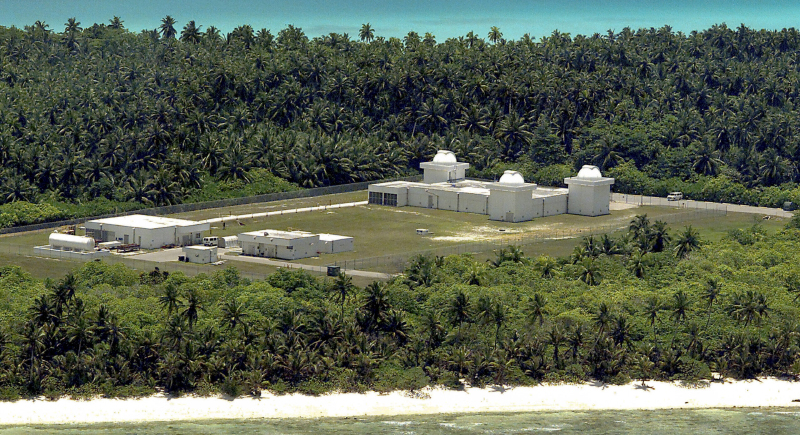
Strategic positioning in the Indian Ocean made Diego Garcia a key defense asset. Consequently, British officials removed the native Chagossian population during the late 1960s and early 1970s to operate a joint base alongside the United States. The base currently includes airstrips, naval facilities, and satellite systems.
Poveglia
Credit: Wikimedia Commons
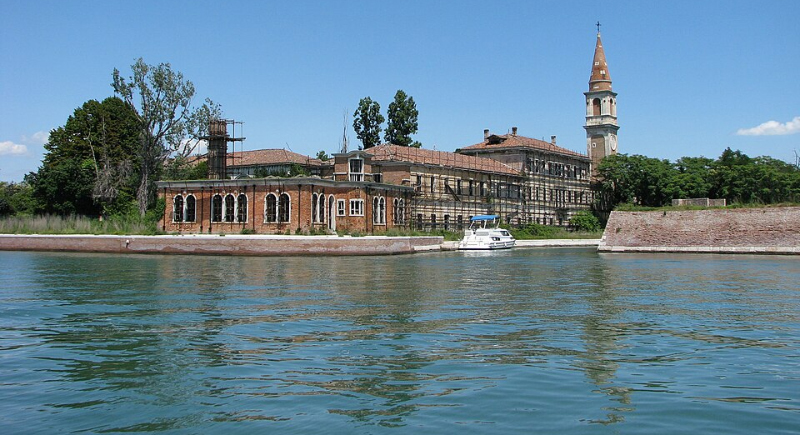
Though Poveglia is just a short boat ride from central Venice, access to the island is restricted and it remains closed to casual visitors. During plague outbreaks between the 14th and 17th centuries, authorities used it as a quarantine station for the sick. Large numbers of people died there, and mass burial sites are believed to remain beneath the soil.
Morgan Island
Credit: Wikimedia Commons
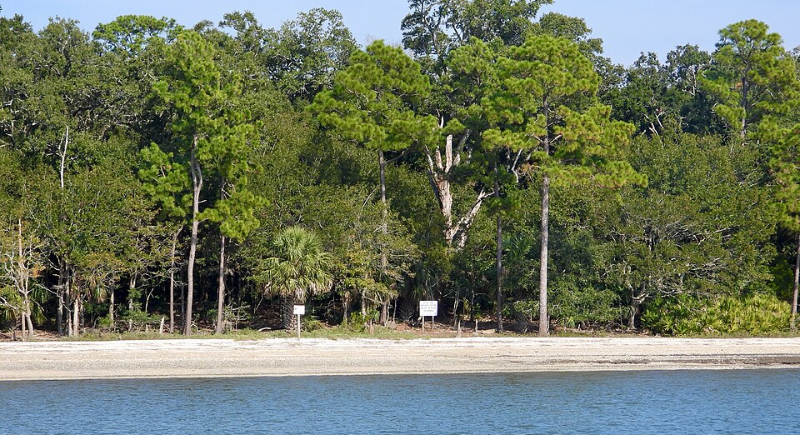
Researchers established a biomedical colony on Morgan Island, off South Carolina, in the late 1970s. About 1,400 rhesus macaque monkeys were relocated there, and the settlement has grown to several thousand. Many carry the herpes B virus, which poses serious health risks to humans. A scratch or bite can lead to neurological illness if untreated.
Vozrozhdeniya Island
Credit: Wikimedia Commons
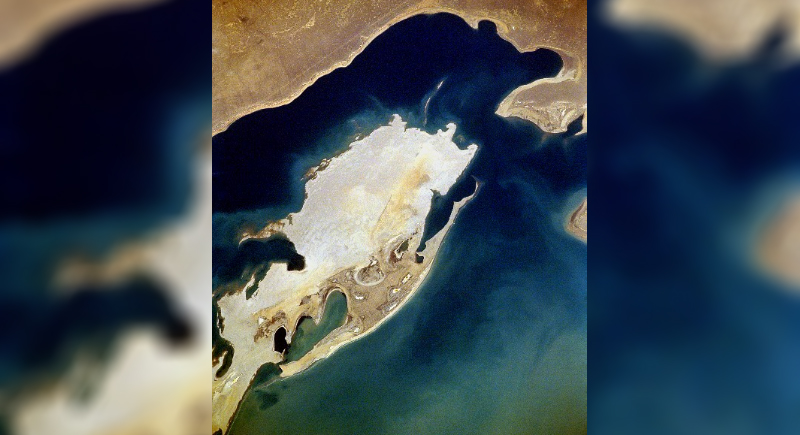
The Soviet Union used Vozrozhdeniya Island as a bioweapons testing site beginning in the 1950s. Scientists released pathogens such as anthrax and plague into the open environment for study. After the Soviet collapse, crews buried contaminated materials in rushed cleanup efforts, which means you cannot treat the ground there as harmless.
Clipperton Island
Credit: Wikimedia Commons
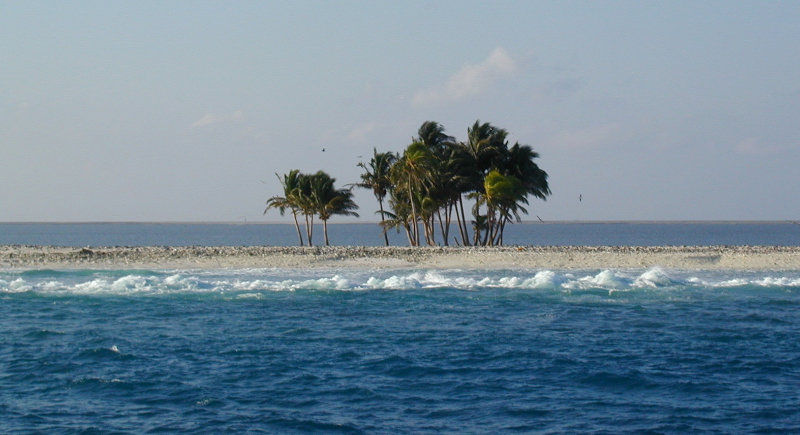
The Mexican Revolution stopped supply ships from reaching Clipperton Island. This cut off a small settlement that depended on regular deliveries. Without food or medical support, disease and malnutrition reduced the population over time. The area now has no permanent residents, and French authorities require special authorization for rare visits.
Bikini Atoll
Credit: Wikimedia Commons
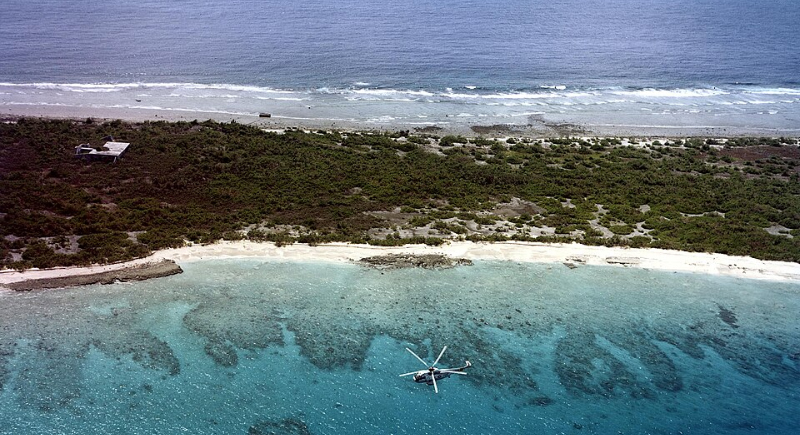
A small community once lived on this Marshall Islands atoll before the United States transferred residents to conduct nuclear weapons testing. Officials detonated 23 nuclear devices there over 12 years, which eventually contaminated land and food sources. Today, Bikini Atoll allows limited scientific missions and tightly regulated diving expeditions under controlled conditions.
Niʻihau
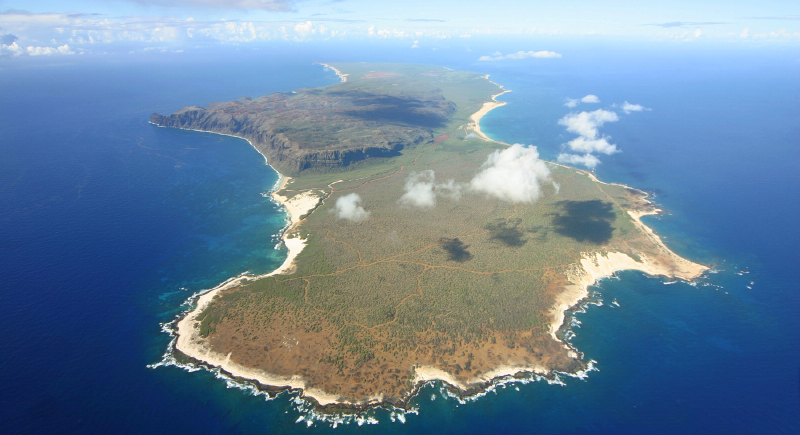
Credit: Wikimedia Commons
Niʻihau, an island that remains closed to the general public, is just a couple of miles off Kauai. The Robinson family has owned it since the 19th century and continues to control who can enter. Only residents and limited military personnel receive permission to access the island. These restrictions protect native Hawaiian traditions and help maintain the natural environment.
Heard Island
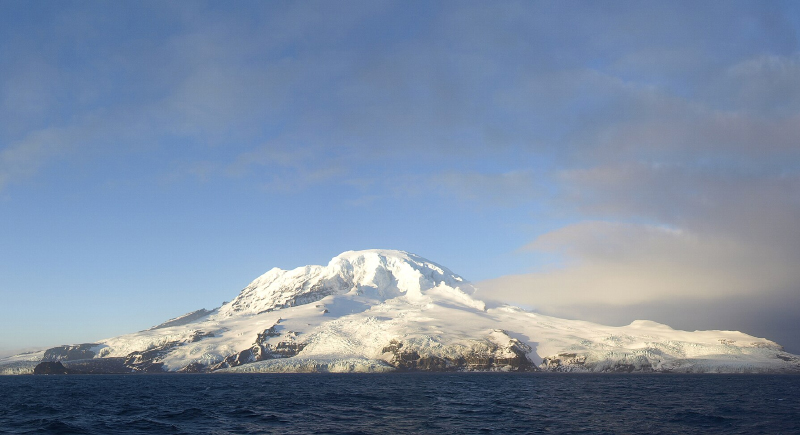
Credit: Wikimedia Commons
Heard Island in the southern Indian Ocean is far removed from commercial travel and regular shipping routes. It is dominated by a massive active volcano and shaped by glaciers and severe weather. Access is strictly regulated because the ecosystems remain highly sensitive to disturbance, and entry requires special permits from Australian authorities.